Introduction
Looking for the complete AI content creation framework? This guide focuses on e-commerce applications. For the broader overview, see AI Content Creation: Complete Guide 2026.
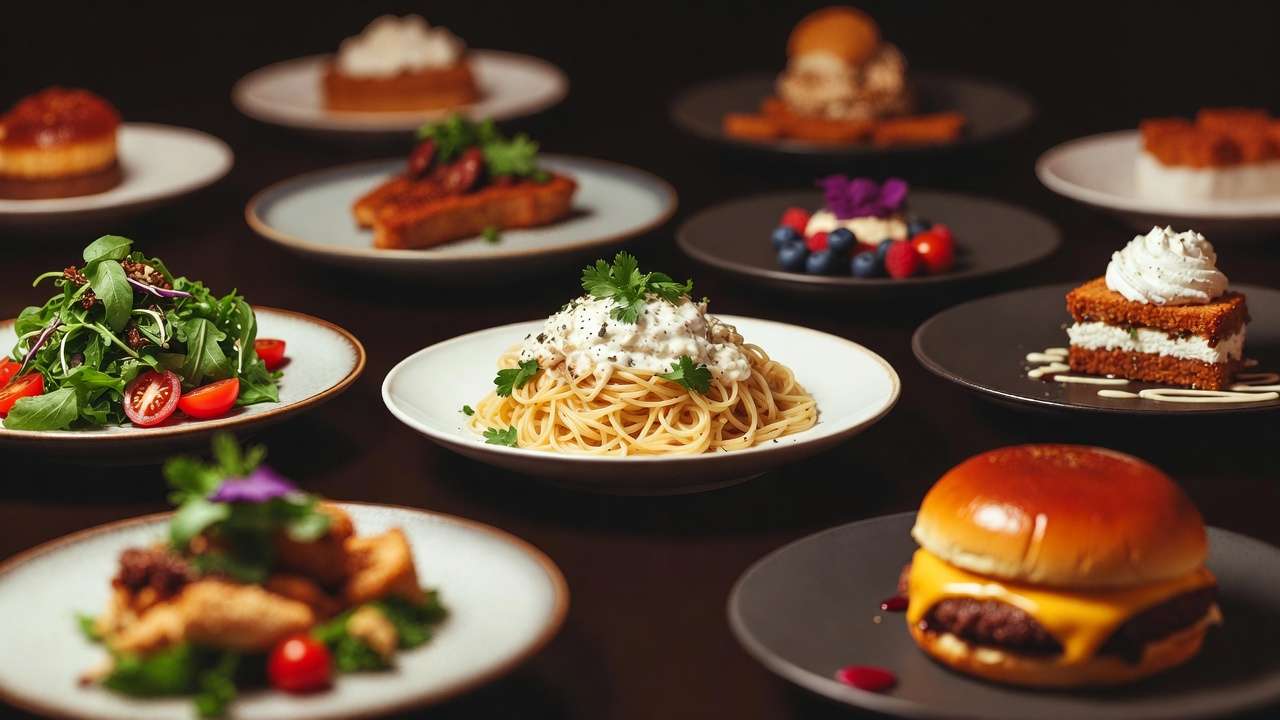

The AI product photography market is projected to reach $8.9 billion by 2034, growing at a compound annual rate of 15.7%. Behind that number is a revolution already underway: e-commerce brands that once spent $5,000 to $15,000 per product photoshoot now generate equivalent visual assets for under $200 using multi-model AI pipelines. Studies consistently show that high-quality product photos can deliver up to 94% higher conversion rates than low-quality alternatives - and AI makes that quality accessible to every seller, from solo Etsy shops to enterprise catalogs with thousands of SKUs.
This is not a theoretical future. In 2026, AI-powered product visuals are a competitive requirement. Brands that cling to traditional studio workflows face a structural cost disadvantage: slower seasonal refreshes, fewer A/B test variants, no ai photo editor automation, and higher per-asset production costs that compound with every new product line. Meanwhile, AI-native competitors who create photos with ai generate 50 lifestyle image variants in an afternoon, test them across ad platforms, and double down on winners - all before a traditional shoot would deliver its first round of retouched proofs.
This guide maps the complete AI visual pipeline for e-commerce - from white-background catalog shots to cinematic product videos - using a multi-model approach. Whether you sell fashion, food, home goods, or digital products, the workflows here apply across categories. Platforms like Cliprise, which aggregate access to 47+ AI models including Flux 2, Imagen 4, Veo 3.1, and Kling 2.6, make this pipeline practical: one interface, one credit system, dozens of specialized models matched to each stage of production. By the end, you will have a vendor-neutral framework for replacing or augmenting traditional product photography with ai image editor workflows, reducing costs by 80 to 97%, and scaling visual content to match the pace of modern e-commerce.
Why AI Is Reshaping E-commerce Visuals
The Economics Are Undeniable
Traditional product photography involves studio rental ($500 to $2,000 per day), photographer fees ($1,500 to $5,000 per day), styling and props ($200 to $1,000), model fees for lifestyle shots ($500 to $3,000), and post-production editing ($50 to $150 per image). A single product photoshoot producing 20 edited images can cost $3,000 to $8,000. For a catalog of 200 SKUs, that math becomes punishing.
AI generation collapses this cost structure. A multi-model platform subscription costing $30 to $100 per month provides access to dozens of specialized models. Generating 20 product images costs $5 to $20 in credits. The marginal cost of the 201st SKU is pennies, not thousands. This is why AI adoption in e-commerce photography is accelerating faster than in any other creative vertical.
Speed That Matches Market Velocity
Seasonal campaigns that previously required three weeks of planning, shooting, and post-production now compress to three days. Flash sales, trending products, and holiday refreshes become operationally trivial when image generation takes minutes instead of weeks. For platforms like Amazon, where listing speed directly correlates with sales velocity during trending periods, this advantage compounds.
Scale That Enables Data-Driven Decisions
Traditional photography makes A/B testing impractical - shooting 10 variants of each product image costs 10 times as much. AI makes it almost free - even an ai image generator free tier is enough to test initial concepts. Generating 50 background variations, 20 lighting setups, and 10 lifestyle contexts for each hero product enables statistical optimization of visual assets. Brands using AI-powered A/B testing report double-digit conversion lifts after identifying which visual styles resonate with specific audience segments.
The Multi-Model Advantage
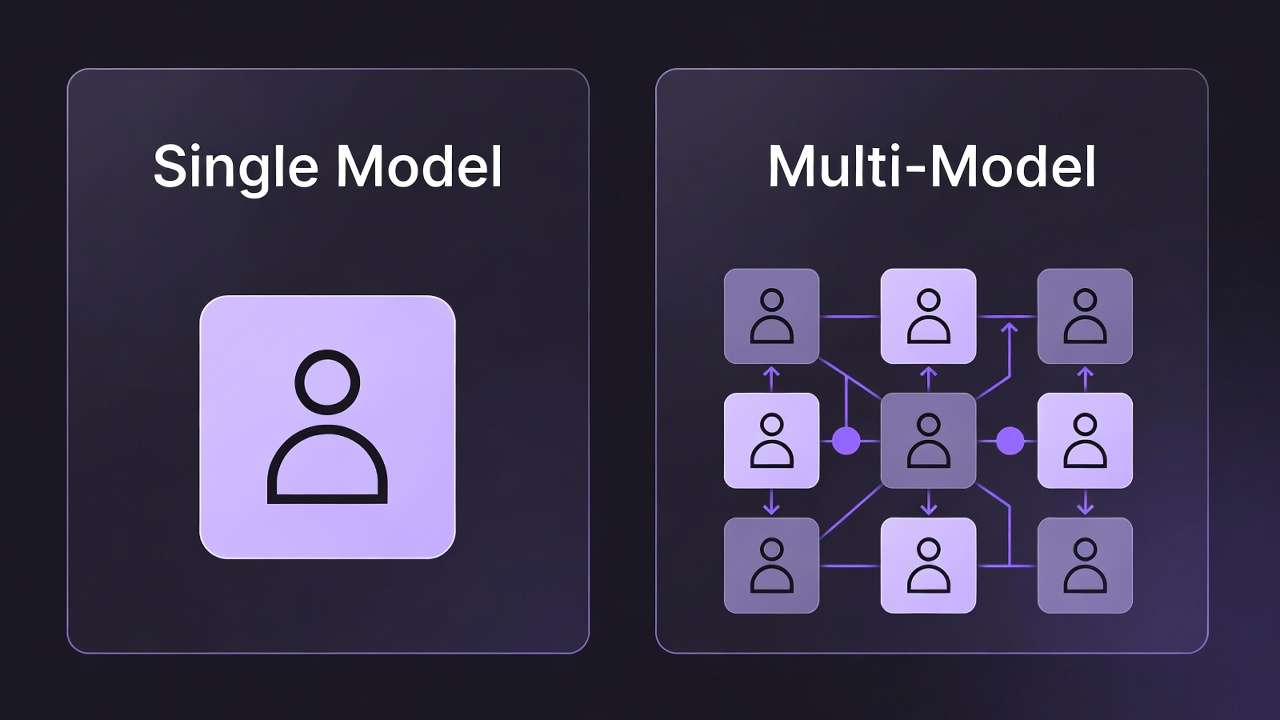
No single AI model excels at everything. Flux 2 Pro produces the most photorealistic product shots. Imagen 4 delivers exceptional consistency across large catalogs. Midjourney alternatives creates aspirational lifestyle imagery. Veo 3.1 generates the highest-quality product videos. Kling 2.6 handles motion-rich demonstrations. Platforms like Cliprise centralize access to all of these under one interface, enabling model selection strategies that match each model to its optimal use case rather than forcing one tool to do everything.
Cliprise offers dedicated solution hubs for the most common e-commerce verticals: Photography Solutions for product and lifestyle imagery, Print-on-Demand Solutions for design-to-marketplace workflows, and Graphic Design Solutions for brand asset creation.
For a practical implementation playbook focused on marketplace-ready images, see AI E-commerce Product Photos 2026.
White Background Product Shots
Clean, distraction-free product images remain the foundation of e-commerce catalogs. Amazon, Shopify, and most marketplaces require white-background hero images that meet specific technical standards.
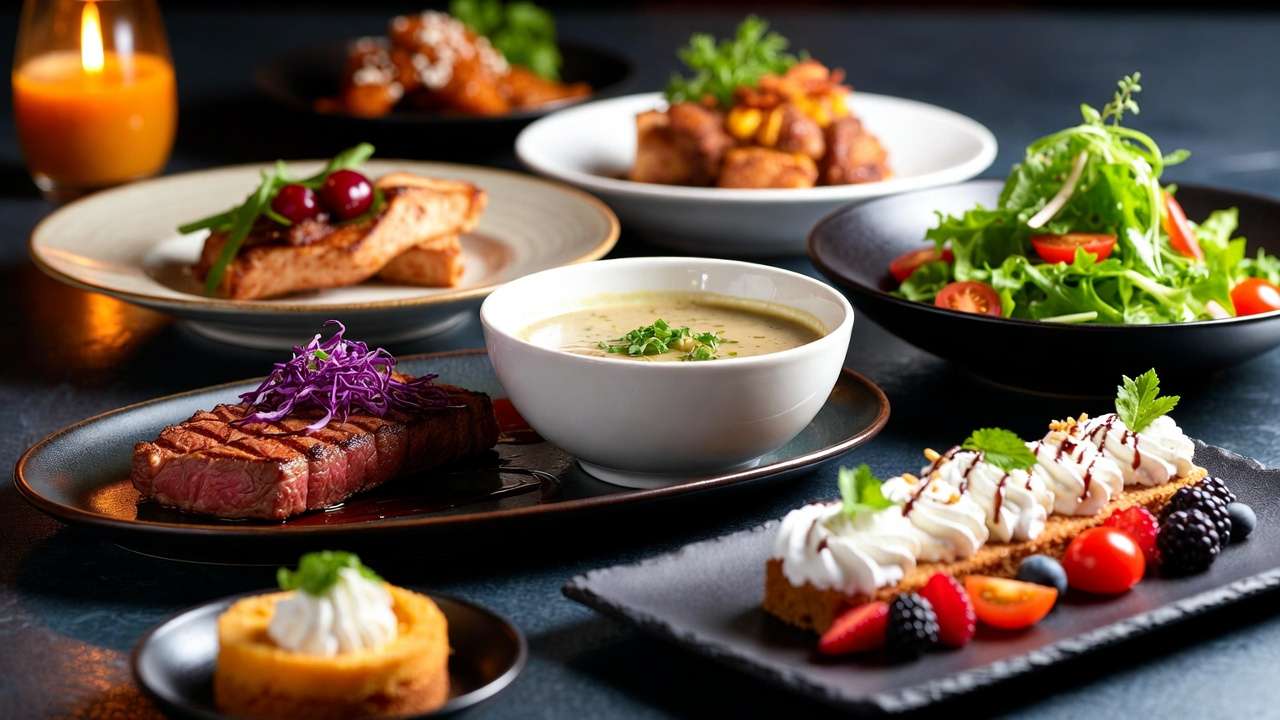
Model recommendations: Flux 2 Pro excels at photorealistic product rendering with accurate lighting and shadows. Imagen 4 Ultra produces exceptionally consistent results across large batches - critical when generating images for hundreds of SKUs that need to feel like they belong to the same catalog. Prompt engineering is essential here: precise descriptions of materials, textures, lighting angles, and camera perspectives yield dramatically better results than vague prompts.
Seed management for brand consistency: Using fixed seed values across generations ensures that lighting direction, shadow intensity, and color temperature remain consistent across your entire catalog. This is the AI equivalent of a controlled studio setup - and it produces more consistent results than many physical studios achieve. Learn more about seed-based approaches in our guide to reproducible generation for brands.
Key workflow insight: Start with your best-selling products. Refine your prompts and seed parameters until you achieve a "template" that produces catalog-grade results. Then apply that template across your entire SKU library. This approach, documented in AI Models for Product Photography, consistently produces the most efficient scaling patterns.
Lifestyle and Contextual Photography
Products in context - on a kitchen counter, in a living room, worn by a person, or used in action - convert significantly higher than isolated product shots. They help customers visualize ownership and create emotional connection.
AI excels here because generating lifestyle scenes requires no location scouts, set designers, or travel budgets. A skincare brand can place products in a luxurious marble bathroom, a minimalist Scandinavian shelf, and a vibrant tropical vanity - all in one generation session. This visual variety is what drives the conversion impact documented in E-commerce Growth: AI Product Photography Impact.
Model selection for lifestyle: Midjourney produces the most aspirational lifestyle scenes with strong aesthetic sensibility. Flux 2 Pro delivers photorealistic environments with accurate product placement. For mixed approaches, generate the lifestyle scene with one model and composite your product using editing tools like Recraft or Qwen Edit.
Fashion Photography
Fashion presents unique challenges: fabric draping, body proportions, color accuracy, and the uncanny valley of AI-generated faces. But AI fashion photography has matured rapidly, and brands using proper workflows report significant cost savings while maintaining catalog quality.
Virtual model generation now produces convincing on-body shots for standard catalog use cases. Fabric texture simulation handles most materials competently, though extremely reflective or transparent fabrics (sequins, sheer silk) still require careful prompting and sometimes manual post-processing. The complete fashion workflow - from concept to catalog-ready assets - is detailed in AI Fashion Photography Workflows.
Key insight: Fashion brands see the highest ROI from AI not by replacing their hero campaign shoots, but by supplementing them. Use traditional photography for flagship seasonal campaigns (where authenticity matters most), and AI for everything else: marketplace listings, product variants, colorway visualization, and social media content.
AI Product Videos: Bringing Static Products to Life
Video content drives measurably higher engagement and conversion in e-commerce. Product listing videos on Amazon increase conversion by 9 to 15%. Instagram and TikTok Shopping are video-first platforms. But traditional product video production is expensive: $2,000 to $10,000 per 30-second clip, with timelines measured in weeks.
Product Demo Videos
The most effective e-commerce AI video workflow is image-to-video: start with a high-quality AI-generated product image, then extend it into a 5 to 10 second video that adds subtle motion - a rotating product, shifting lighting, gentle camera movement.
Model recommendations: Veo 3.1 produces the highest quality product videos with realistic physics and lighting. Kling 2.6 excels at controlled motion - ideal for product rotation sequences and dynamic demonstrations. Sora 2 delivers strong narrative continuity for "product story" videos. The complete product video pipeline is covered in Creating E-commerce Product Videos.
Duration sweet spots: 5-second loops for product listing carousels. 10-second clips for Instagram Shopping and TikTok Shop. 15-second sequences for dedicated product pages. Match video duration to platform requirements rather than generating one length and cropping.
Video Ads for Social Commerce
Social commerce is growing rapidly, and AI video generation makes ad creative testing dramatically more efficient. Instead of producing one $5,000 video ad and hoping it performs, generate 20 variants for $200 and let platform algorithms identify winners.
The production approach for social commerce video ads - model selection by platform, aspect ratio optimization, and performance testing workflows - is documented in Professional Video Production on Cliprise. Key takeaway: vertical 9:16 for TikTok Shop and Instagram Shopping, square 1:1 for Facebook Marketplace, and horizontal 16:9 for YouTube product reviews.
Industry-Specific Playbooks
Fashion and Apparel
Fashion e-commerce requires the highest volume of visual assets: each product typically needs 4 to 8 images (front, back, detail, lifestyle, on-model) plus video. AI makes this manageable at scale.

Lookbook generation has become one of the strongest AI use cases in fashion. Brands generate seasonal lookbooks with consistent model appearance, varied styling, and diverse location settings - all without a single physical photoshoot. The pipeline from concept to complete lookbook, including model consistency techniques and styling automation, is mapped in Fashion Brand Lookbooks: AI Video and Image Pipeline.
Food and Restaurant
Food photography demands warmth, texture, and appetite appeal - qualities that AI has learned to simulate effectively. Restaurant owners and food brands generate menu imagery, social media content, and promotional materials without hiring food photographers or food stylists.
Key considerations: steam, melting effects, and "just-cooked" appearance are achievable with careful prompt engineering and negative prompts to avoid plastic-looking textures. The complete food photography workflow is in Restaurant Menu Photography: AI-Generated Food Images That Sell, and the video variant for social promotion in AI Video for Restaurant Social Media.
Print-on-Demand
Print-on-demand sellers on Etsy, Redbubble, and Merch by Amazon operate on razor-thin margins where photography costs can eliminate profitability entirely. AI solves this: generate product mockups showing your design on t-shirts, mugs, phone cases, and posters - all without purchasing physical samples.
The print-on-demand AI workflow - design generation, mockup creation, listing optimization - enables sellers to test hundreds of designs rapidly and only invest in physical samples for proven winners. Details in Print-on-Demand Designs: AI Generation for Etsy Sellers. Also explore our dedicated Print-on-Demand Solutions page for platform-specific tools and capabilities.
The Complete E-commerce AI Pipeline
Step 1: Product Scouting (Image Generation)
Start with image generation. Generate 10 to 20 image variants per product using models matched to your category: Flux 2 Pro for photorealism, Imagen 4 for consistency, Midjourney for aspirational aesthetics. Use fixed seeds and detailed prompts to maintain catalog cohesion.
Step 2: Lifestyle Extension (Image Editing)
Add context. Take your best product shots and place them in lifestyle environments using editing models: Recraft for background replacement, Qwen Edit for precise adjustments, Luma Modify for creative retouching. This is where products transform from catalog entries to conversion tools.
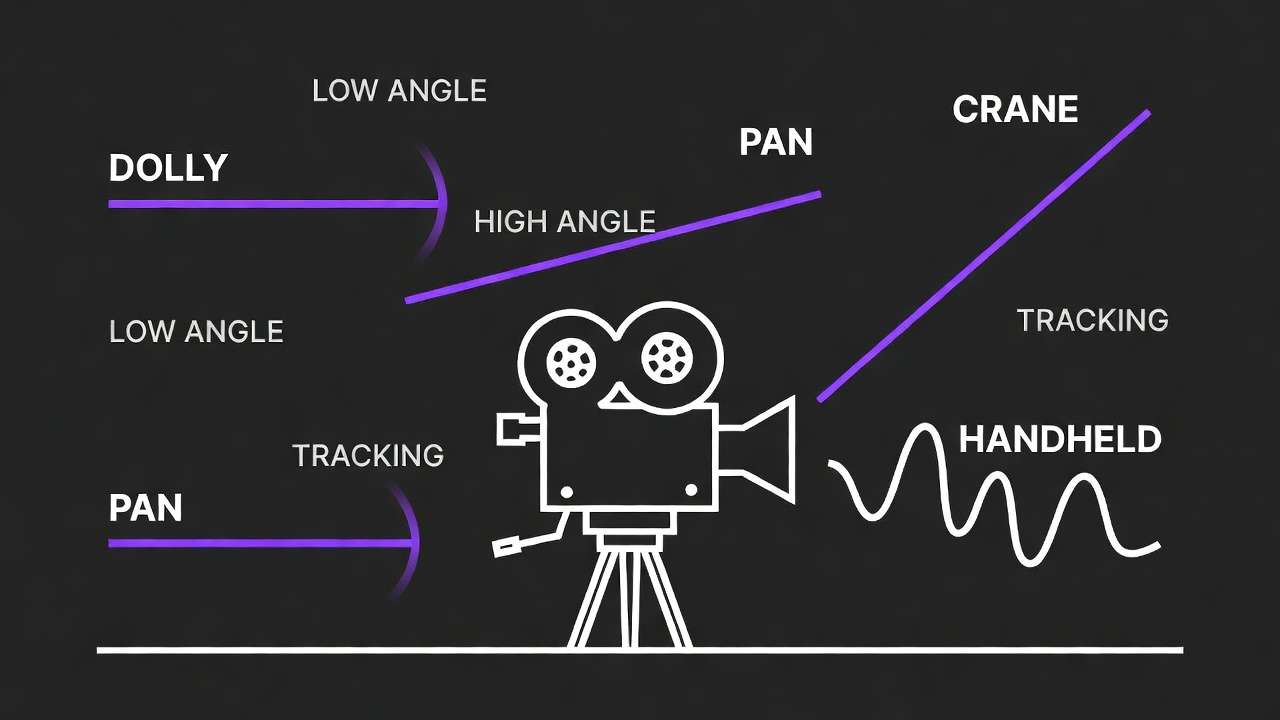
Step 3: Video Creation (Image-to-Video)
Extend your best images to 5 to 15 second product videos. The image vs video decision framework helps determine which products benefit most from video. Generally: products with motion appeal (wearables, tools, food) benefit most; static objects (prints, cases, stationery) benefit less.
Step 4: Post-Production (Upscaling and Polish)
Upscale to 4K for hero images and print applications. Apply color grading for brand consistency. Quality-check for common AI artifacts: texture inconsistencies, incorrect reflections, and proportion errors. This stage catches issues before they reach your storefront.
Step 5: Distribution
Export in platform-specific formats: white-background PNGs for Amazon, lifestyle JPEGs for Shopify, vertical videos for social commerce. Deploy A/B test variants to ad platforms. Track performance, iterate on prompts, and build your library of winning visual formulas.
This pipeline evolution - from beginner experimentation to production-grade systematization - is the journey mapped in Prompting to Production Evolution.
Cost Analysis: Traditional vs AI E-commerce Visuals
| Category | Traditional Studio | AI-Powered | Savings |
|---|---|---|---|
| Product photos (20 SKUs) | $3,000 - $8,000 | $100 - $300 | 95%+ |
| Lifestyle images (10 scenes) | $2,000 - $5,000 | $50 - $150 | 95%+ |
| Product videos (5 clips) | $5,000 - $15,000 | $100 - $400 | 97%+ |
| Seasonal visual refresh | $5,000 - $10,000 | $50 - $200 | 98%+ |
| Monthly content (ongoing) | $8,000 - $20,000 | $200 - $600 | 97%+ |
| Annual total (mid-size catalog) | $100,000 - $250,000 | $3,000 - $8,000 | 96%+ |
Note: AI costs based on multi-model platform credit pricing. Savings assume a mid-size catalog of 200 to 500 SKUs with seasonal refreshes. Actual results vary by product category, quality requirements, and volume.
Common Mistakes in E-commerce AI Visuals
1. Generating without brand guidelines. Without a defined style guide (color temperature, shadow direction, background style, crop ratios), your catalog will look like a random collection of images from different photographers. Establish these parameters first, then encode them into your prompt templates.
2. Skipping negative prompts. Negative prompts are essential for product photography: "no watermarks, no text overlays, no blurry edges, no distorted proportions" eliminates the most common AI artifacts that erode buyer trust.
3. Wrong aspect ratios per marketplace. Amazon requires specific image dimensions. Shopify themes have different optimal ratios. Instagram Shopping uses square and portrait formats. Generating one size and cropping loses quality and composition. Generate natively for each platform.
4. Over-editing into uncanny valley. AI product images that look "too perfect" - plastic-smooth textures, impossibly even lighting, zero imperfections - trigger consumer skepticism. A small amount of naturalistic variation (subtle shadows, minor texture) builds trust. This is especially important for fashion, where 67% of surveyed consumers expect brands to disclose AI-generated imagery.
5. Ignoring commercial rights. AI-generated e-commerce imagery for commercial use requires attention to model licensing terms and platform rules. The full framework for copyright considerations in commercial AI art should be reviewed before scaling production.
The Future: Where E-commerce AI Is Heading
Virtual try-on is becoming standard. Fashion, eyewear, and cosmetics brands are integrating AI-powered try-on experiences that generate personalized product visualizations for each shopper. This moves product photography from static catalog images to dynamic, personalized experiences.

AI-generated 360-degree product views are replacing traditional turntable photography for high-consideration purchases (furniture, electronics, luxury goods). Generate a complete rotation sequence from a single product image.
Real-time personalized imagery will show different product visuals to different customer segments - lifestyle scenes that match the viewer's demographic, location, and past purchase behavior. E-commerce stores will stop showing the same images to everyone.
Video commerce is replacing static listings. Platforms are prioritizing video in search results and recommendations. Brands without product video will face algorithmic disadvantage. AI generation makes video-first catalogs economically viable for the first time.
The brands that master these workflows now build a compounding advantage. Every refined prompt template, every optimized pipeline, every winning visual formula becomes an asset that their competitors must spend months replicating. In e-commerce, where visual quality determines click-through and conversion, this advantage translates directly to revenue.
Related Articles
- AI Art Generator →
- AI Product Photos 2026: Complete Guide for E-commerce →
- AI Real Estate Photos & Video 2026: Complete Guide →
- AI Print on Demand 2026: Complete Guide →
- Best AI Platform for E-commerce Sellers 2026 →
- AI Video Generator for Small Business 2026 →
Related News: