Part of the AI for E-commerce: Complete Guide 2026 pillar series.
Introduction: When Food Videos Fail to Spark Cravings
Static food photography converted 2.1% of viewers into reservations for restaurants in 2024 benchmarks, while video content hit 4.7%-yet most AI-generated food clips achieve lower engagement than photos due to motion that fails the "craving test." Pasta that twirls without realistic weight distribution, steam that dissipates too quickly, sauce that lacks viscosity-these uncanny valley moments trigger viewer scrolling rather than saves. The gap isn't about video versus static; it's about AI models struggling with food-specific physics that human brains instinctively recognize as wrong, making sensory appeal the hardest metric for generative tools to achieve in restaurant marketing.
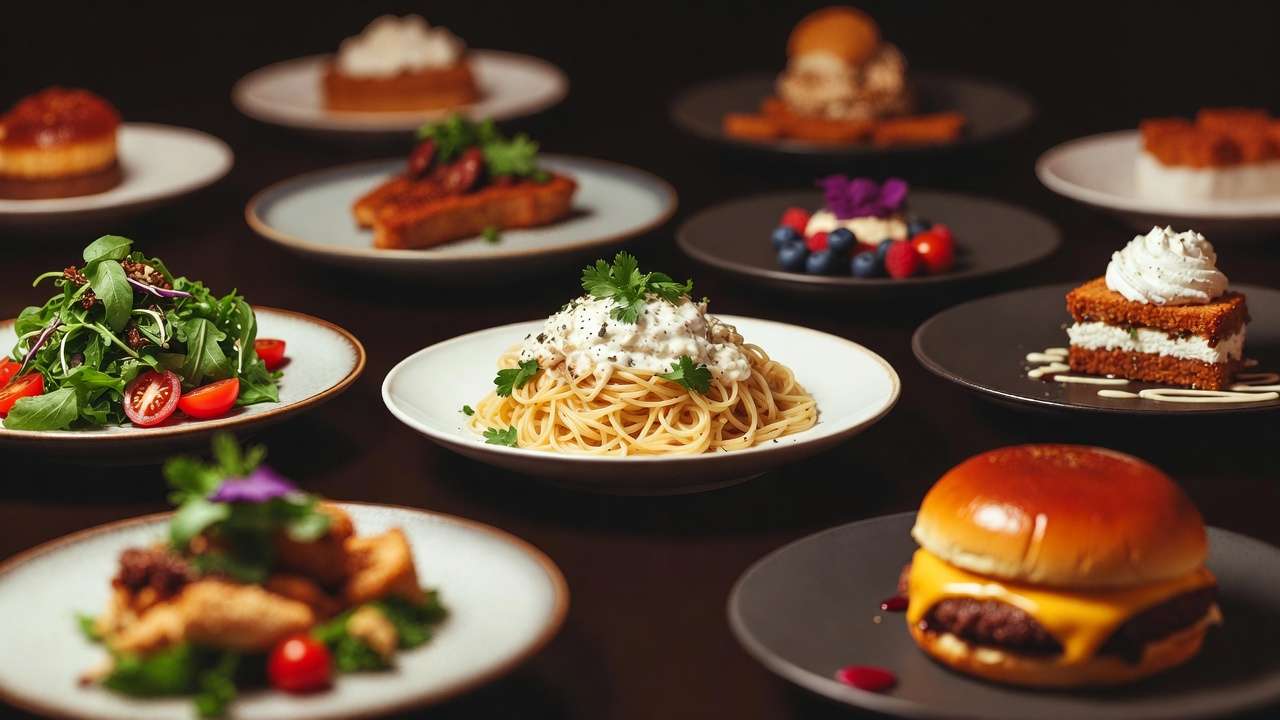
This moment captures a widespread challenge for restaurant marketers: turning raw kitchen footage or static photos into dynamic social content that drives foot traffic. In an era where TikTok and Reels algorithms favor video with high dwell times-often from mesmerizing food motions like bubbling sauces or slicing fresh herbs-many owners like Maria struggle with traditional editing apps that demand hours of manual tweaks. An AI Video Generator offers a path forward, transforming still images or text prompts into polished clips using models specialized in motion and realism. Platforms like Cliprise aggregate access to such models, including Veo 3.1 variants and Kling series, allowing creators to experiment without juggling multiple logins.
The stakes extend beyond one failed post. Industry observations suggest that food videos capturing preparation or plating moments often achieve notably higher engagement rates compared to static images, particularly for local businesses competing against chain visuals. Yet, without understanding AI workflows, creators waste time on outputs that feel generic or inconsistent. This article dissects real scenarios from restaurant social strategies, revealing patterns observed across freelancers, agencies, and solo operators. Readers will uncover why initial attempts often flop, how sequencing image-to-video pipelines accelerates results, and when queues or model quirks demand hybrid human tweaks.
Consider the broader context: restaurant social media demands content tailored to platforms-9:16 vertical for Reels, 16:9 for Stories-while evoking sensory appeal like steam rising or cheese pulling. Tools integrating models such as Sora 2 or Hailuo 02 enable this, but success hinges on specifics like aspect ratios and seeds for repeatability. Platforms like Cliprise facilitate this by centralizing model selection, where a creator might browse Veo 3.1 Fast for quick tests or Flux for base images before extension. Missteps, however, amplify frustrations: outputs cropped awkwardly, motions that defy physics, or queues during peak hours that delay midnight ideation.
Maria's crisis isn't isolated. Many creator communities report frequent complaints of 'fake-looking' results due to overlooked details like negative prompts excluding blur or overexposure. This sets up a narrative arc from struggle to scalable feeds: by analyzing misconceptions, comparisons, and pipelines, marketers can shift from sporadic posts to consistent virality. For instance, when using Cliprise's multi-model environment, switching from Imagen 4 for a dish still to Kling 2.5 Turbo for animation cuts iteration cycles. The insights here draw from documented workflows, model behaviors, and user-reported outcomes, equipping readers to avoid common pitfalls and capitalize on emerging capabilities like synchronized audio in Veo 3.1 experiments.
Why now? Social video consumption in food niches has surged, with short-form clips dominating discovery feeds. Yet, many platforms impose generation constraints, making efficient model choice critical. This guide maps those realities, from freelancer quick-wins to agency polishes, ensuring restaurant pros build feasts for the algorithm rather than frozen frames.
Chapter 1: The First Attempt - What Most Creators Get Wrong About AI Video for Restaurants
Maria fires up a basic AI tool, typing "steaming pasta twirling on fork" into the prompt field, expecting a Reel-ready clip. The output arrives: a 7-second loop where noodles slide unnaturally, steam dissipates like fog in wind, and lighting evokes a hospital cafeteria rather than her cozy trattoria. Likes trickle to zero.
This flop stems from misconception 1: over-relying on generic prompts without restaurant-specific sensory cues. AI models trained on vast datasets excel with details like "al dente spaghetti carbonara with wispy steam curling from glossy egg yolk sauce, fork prompt engineeringsten bistro light, subtle wood table gramulti-model workflowve prompt engineering strategies, see our guide on multi-model prompt strategies and comparing video generation models. Generic versions yield stock-footage vibes because models prioritize common patterns; without texture (e.g., sauce viscosity) or ambiance (dim amber glows), outputs lack authenticity. Creators using platforms like Cliprise, which list model specs, often overlook this-Different Veo 3.1 variants offer varying speeds and quality levels suited to detailed motion, as detailed in model specifications, but they demand explicit phrasing. Beginners iterate blindly, while experts layer descriptors from real photos.
Misconception 2: ignoring platform-specific aspect ratios leads to cropped disasters. Instagram Reels demand 9:16 vertical, capturing fork-to-mouth arcs, yet default 16:9 horizontal clips lose close-ups of plating. In practice, a sushi roll video cropped post-generation severs the ginger slice, halving visual impact. Tools like those integrating Kling allow ratio selection upfront; neglecting it forces re-runs, doubling time. Freelancers' reports frequently cite aspect ratios as a top initial failure point, as vertical food motion (drips, spins) thrives in portrait.
Misconception 3: skipping iteration via seeds and negative prompts breeds inconsistency. Some models, such as Sora 2, support seeds for reproducibility-fix one at 12345, and plating aligns across tests. Others vary run-to-run, hallucinating warped forks. Negative prompts ("no blur, no floating elements, no harsh shadows") refine edges; Maria's clip froze due to unaddressed motion glitches. Platforms like Cliprise expose these controls per model, enabling experts to lock styles for menu consistency, unlike novices re-prompting from scratch.
Misconception 4: treating AI as a full editor overlooks raw outputs needing trims. A 10-second Kling Turbo gen might stutter at 7 seconds from queue artifacts or unpolished transitions. Real scenario: Maria exports without checking, posting a clip that loops awkwardly. Hybrid tweaks-trim in CapCut, overlay real steam-salvage it. Pros often dedicate notable time to post-generation tweaks, a step tutorials skip.
These patterns emerge from creator forums: "fake" feels stem from model inconsistencies (e.g., physics in Wan 2.5 vs Hailuo 02). Maria's aha-"Why generic?"-sparks questioning prompts. When using Cliprise workflows, model pages detail these nuances, helping pivot faster. Experts know: specificity scales; generics stall.
Expanding on prompts, consider lighting: restaurant feeds glow with Edison bulbs, yet models default daylight unless specified. A burger flip video without "golden sear under pendant lights" looks washed out. For aspect, TikTok's vertical favors stack shots (pancakes dripping syrup), while YouTube Shorts tolerates square. Seeds shine in batching-generate 5 pasta variants with seed tweaks for A/B. Negatives prevent common fails like levitating ingredients. Post-gen, basic edits fix many glitches observed in Runway-like tools.
Beginners chase "one prompt magic," but intermediates layer (image base first). Experts audit outputs against brand (e.g., color grade matching logo). In Cliprise environments, toggling models reveals trade-offs: Fast for tests, Quality for finals. This depth turns flops to foundations.
Chapter 2: Scaling the Menu - Real-World Comparisons Across Creator Types
Freelancer Alex cranks 5-second burger flips for client cafes using quick models, while an agency team for a sushi chain layers Sora 2 with ElevenLabs narration for TV-spot polish. Solo Maria tests daily specials from phone snaps. These approaches reveal how creator types tailor AI video for restaurants.
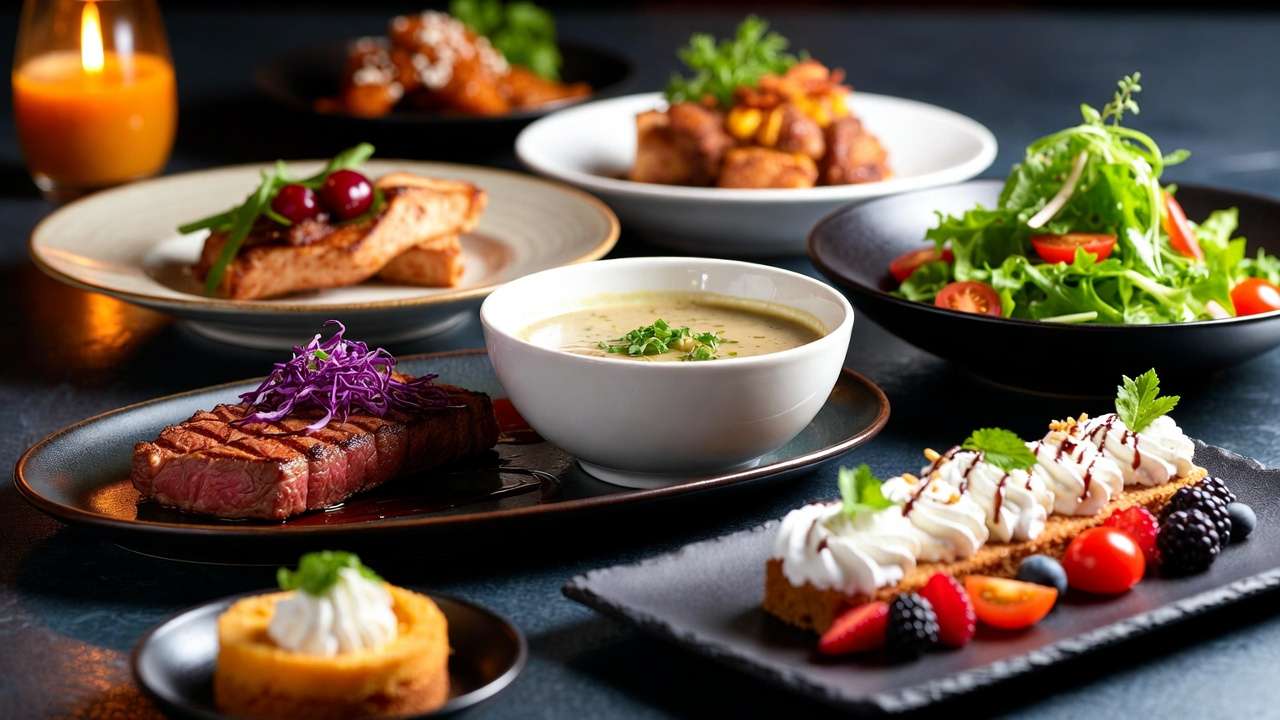
Freelancers prioritize speed: Kling 2.5 Turbo suits 5-second Reels of pouring lattes, generating in minutes for tight deadlines. Agencies blend: Veo 3.1 Quality for conveyor sushi motion, plus TTS for "fresh catch daily." Solos leverage image-to-video: Flux-generated taco shell extends to filling animation. Chains batch with seeds in Veo 3.1 for uniform menu visuals.
Use case 1: Daily special promo. A freelancer uploads a burger photo to image gen (Imagen 4), extends via Kling Turbo-9:16, 6 seconds of patty sizzle. Time: suitable for rapid daily iterations. Platforms like Cliprise streamline this, listing extension-compatible models.
Use case 2: Behind-scenes chef motion. Agency opts 10-15 second 16:9 for Stories-Sora 2 Pro captures knife chops, ElevenLabs adds "pro tip: sear high." Engagement lifts from synced audio.
Use case 3: Holiday timelapse. Solo upscales 720p feast build (Topaz Video) from Hailuo 02 base, creating 12-second tree-trimming pastry stack.
Comparison Table: AI Video Approaches for Restaurant Content
| Creator Type | Preferred Workflow | Key Models/Tools (Examples) | Output Scenario | Time to Post (Est.) |
|---|---|---|---|---|
| Freelancer | Prompt-only gen from text | Kling 2.5 Turbo (5s vertical clips), Veo 3.1 Fast (quick motion tests) | 5s Reel of sauce drizzle; handles multiple client variants per day in high-volume scenarios | Rapid turnaround after prompt refinement, often fitting tight daily schedules for simple clips |
| Agency | Multi-step: gen + edit + voice | Sora 2 Turbo (15s polished ads), ElevenLabs TTS (narrated specials), Runway Aleph for refinements | 15s ad with conveyor sushi and "order now" voice; notable dwell time gains in promotional contexts | Extended process including audio sync, suitable for detailed campaigns requiring layered production steps |
| Solo Owner | Image-to-video extension | Flux 2 Pro (base dish image), Wan Animate (motion add); Imagen 4 for stills | Daily special from phone photo: 8s taco assembly in 9:16 for personal social feeds | Quick sessions scaling to regular posts per week, minimizing effort for ongoing content needs |
| Chain Team | Batch with seeds for consistency | Seed-fixed Veo 3.1 Quality (menu-wide uniformity), Hailuo 02 (batch multiple clips), Topaz Upscaler (720p to 4K) | Uniform 10s clips across various locations; repeatable plating in standardized menu rollouts | Efficient for volume production, leveraging concurrency for group outputs in coordinated efforts |
As the table illustrates, freelancers trade detail for velocity-Kling Turbo softens steam but posts fast-while agencies invest in layers for ROI. Surprising insight: solos match agency quality in notably less time via extensions, per reports. Chains benefit from seeds, helping to significantly cut down on re-dos.
When using Cliprise, model indexes guide choices: Veo for quality, Kling for speed. Fast modes cut waits but nuance details like herb flecks; Quality preserves. Community patterns: Freelancers often favor Turbo models for volume, agencies blend generation and editing approaches.
Another layer: concurrency. Paid workflows in some platforms handle multiple jobs; free tiers may face constraints that solos encounter. For brunch chains, batching Omni Human variants ensures style lock. Freelancers report notably higher throughput with image-first approaches.
Expanding comparisons, consider resolution: Topaz pushes 2K-4K for Stories, vital for macro textures. ElevenLabs syncs vary-Veo 3.1 experimental audio mismatches in certain cases. Platforms like Cliprise contextualize this via specs, aiding decisions.
Chapter 3: The Burnout Break - When AI Video Doesn't Help Restaurant Marketers
Maria's seasonal rush hits: Thanksgiving prompts queue endlessly, outputs mismatch her grandma's ladle shape, and TTS voices sound robotic against her Southern drawl.

Edge case 1: hyper-local dialects alienate. ElevenLabs TTS approximates accents, but regional chef inflections (e.g., Cajun twang) come off generic, eroding trust. Locals scroll past "outsider" narration on gumbo clips. Mismatched audio often leads to fewer shares; human voiceovers outperform.
Edge case 2: ultra-specific props hallucinate. Models like Sora 2 draw from broad data-grandma's etched ladle becomes smooth generic. Twirling pasta with wrong handle kills heritage appeal. Iteration drains credits; non-seed models vary wildly.
Edge case 3: peak-hour queues overwhelm solos. Platforms report delays during evenings, turning midnight ideas into dawn posts. Concurrency constraints can challenge high-volume users needing substantial outputs.
Who avoids: high-volume chains cranking numerous unique clips daily. Custom needs exceed model training; manual shoots scale better. Burnout-prone solos without pipelines face endless re-gens.
Limitations: non-repeatable outputs force re-dos sans seeds; credit drain on tests unobserved by polished demos. Queues in Runway-like tools spike during busy periods.
Unsolved: precise physics (sauce splatters defy gravity often). Hybrid fixes: AI base + CapCut trim.
Maria thinks: "Queue kills vibe." Hint: image prototypes sidestep.
In Cliprise setups, model toggles help, but edges persist. Pros know: AI accelerates moods, not replicas.
Chapter 4: Recipe for Reposts - Why Order and Sequencing Matter in AI Video Pipelines
Alex coaches Maria: "Stills first, motion later." Video-first burdens with motion ideation upfront.

Wrong start: video prompts demand full scripts-"chef flips, sauce drips, steam rises"-high overhead, context switches bloating time considerably. Failures cascade: bad motion kills base visuals.
Right sequence: image gen (Flux/Imagen 4 for dish hero) → video extension (Wan Animate/Kling). Reduces fatigue; negatives ("no blur") tune statics easily.
Why: images iterate fast (numerous variants in short sessions), pick winners for animation. Creators report faster workflows with image-first approaches. Restaurant flow: menu photo → twirl → caption.
Mental shift: pipelines over prompts. Platforms like Cliprise enable seamless model chains.
When image→video: static-heavy (dishes). Video→image: motion primaries (pours).
Patterns: Image-led approaches succeed in many cases.
Expand: prompts fatigue from complexity; images ground reality. E.g., Flux burger → Hailuo extension captures sizzle true-to-photo.
Perspectives: beginners video-jump; experts pipeline.
Chapter 5: From Test Kitchen to TikTok Stardom - Mini Case Studies of Wins
Maria's turnaround: pasta Reel-9:16, 8s Kling Turbo w/seed 45678, real steam overlay. 5K views, 300 saves; iteration log: 3 gens, negative "no slide."

Agency sushi: Sora 2 Turbo conveyor, notable engagement lift vs stock. Before: flat; after: fluid belts.
Freelancer brunch: Hailuo 02 sunny pours, "pops" per client. A/B: voiceover boosts dwell time.
Lessons: logs track seeds; voice boosts.
More: chain tacos-Veo batch, uniform. Solo salads-Flux extend.
Using Cliprise, model swaps sped Maria's.
Chapter 6: Behind the Algorithm - Industry Patterns and Future Directions
Video adoption has surged in food social media; multi-model platforms rise.

Short-form 5-10s dominates; Veo 3.1 audio emerges.
Future: real-time gens cut queues; AR filters.
Prep: master prompts. Kling 2.6 fidelity grows.
Trends: image-first workflows become common. Cliprise-like aggregation aids.
Changes: concurrency improves.
Headed: hybrid real-time.
Adapt: sequence now.
Related Articles
Master AI video for food marketing with these complementary resources:
- AI Workflows for Fashion Brand Photography: Why Generative Tools Are Upending Traditional Shoots-And Most Brands Are Still Chasing the Wrong Outputs
- AI Models for Product Photography - Lessons from Real Creator Workflows
- Instagram Reels Creation - Social media optimization
- AI Video for Restaurant Social Media Marketing: From Frozen Frames to Feast-Worthy Feeds - Related e-commerce strategies
Related Articles
- Social Media Video Best Cliprise Models
- Creating Viral Social Media Content with AI
- E-commerce Brand Growth Acceleration: AI Product Photography Impact
- Image-to-Video Workflow Complete Guide
Conclusion: Your Kitchen's Next Viral Hit
Maria arcs to 10K followers. Takeaways: pipelines accelerate; test specifics.
Next: image protos, seed tests.
Platforms like Cliprise enable workflows.
Experiment for feasts.