Quick answer: Need native 4K/60fps or baked-in dialogue audio? Start with Kling 3.0. Want stylized motion, fast Turbo iterations, and 1080p output? Lean Runway Gen-4 Turbo. Both live in the same Cliprise video stack, so you can swap per shot instead of forcing one model into every brief.
Kling 3.0 vs Runway Gen-4 Turbo: AI Video Model Comparison 2026
Quick takeaway
Choose Kling 3.0 if: You need native 4K and 60fps, multi-shot storyboards, integrated multilingual audio, or prioritize cinematic and product video.
Choose Runway Gen-4 Turbo if: You want stylized VFX and creative experimentation, prioritize fast iteration speed, 1080p is sufficient, or need distinct aesthetic personality over photorealism.

Kling 3.0 and Runway Gen-4 Turbo represent different design philosophies as an ai video creator. Kling 3.0 is built around production capability - native 4K, 60fps, multi-shot storyboards, multilingual audio, and precise camera control. Runway Gen-4 Turbo is built around creative flexibility - stylized output, VFX-oriented workflows, fast generation speed, and an aesthetic range that extends well beyond photorealism.
Both Kling 3.0 and Runway Gen-4 Turbo are available on Cliprise through the AI Video Generator. You can test both models directly inside the AI video generator. This comparison covers the production-relevant differences to help you decide which model fits each shot in your workflow.
If your main question is still-first animation rather than a Kling versus Runway spec comparison, use the narrower Runway image-to-video alternatives workflow.
Quick Comparison Table
| Specification | Kling 3.0 | Runway Gen-4 Turbo |
|---|---|---|
| Max resolution | 4K native (3840x2160) | 1080p |
| Max duration | 15 seconds | 10 seconds |
| Frame rates | 24 / 30 / 60fps | 24 / 30fps |
| Multi-shot storyboard | Up to 6 cuts | No |
| Native audio | Yes - 5 languages, accent control | No |
| Photorealism | Moderate-High | Moderate |
| Stylization range | Moderate | Very High |
| Camera control | Strong (cinematography vocabulary) | Moderate |
| Generation speed | Standard / Professional tiers | Fast (Turbo optimized) |
| Best for | Cinematic control, 4K, product video, scale | Stylized VFX, creative experimentation, fast iteration |
Testing Methodology
This comparison is based on side-by-side testing on Cliprise. Duration tested: 5s, 10s, 15s (Kling); 5s, 10s (Runway Gen-4 Turbo). Resolution tested: 1080p for both; Kling also at 4K native. Prompt structure: Photorealistic product and scene prompts; stylized and VFX-style prompts. Generations compared: 30+ matched prompts across both models.
Resolution and Frame Rate
Kling 3.0 generates natively at 4K resolution at up to 60 frames per second. Detail is resolved during diffusion - texture, grain, and surface information exist at the pixel level without upscaling artifacts. The 60fps option enables slow-motion extraction and speed ramping in post-production.
Runway Gen-4 Turbo generates at 1080p at up to 30fps. The resolution is sufficient for most web and social delivery formats. Where Runway's output stands out is not in resolution specification but in the stylistic quality of what it generates within that resolution - strong compositional instincts and a distinctive aesthetic personality.
When it matters: For 4K delivery requirements, broadcast standards, or post-production workflows involving speed manipulation, Kling 3.0 is the only option. For social content, creative exploration, and stylized work where resolution ceiling is less important than visual character, Runway performs well at 1080p.
Duration and Storyboard
Kling 3.0 generates up to 15 seconds per clip with a multi-shot storyboard system supporting up to six camera cuts in a single generation. This means a complete edited sequence - establishing shot, mid-shot, close-up - can generate as one unified output with consistent spatial relationships across cuts.
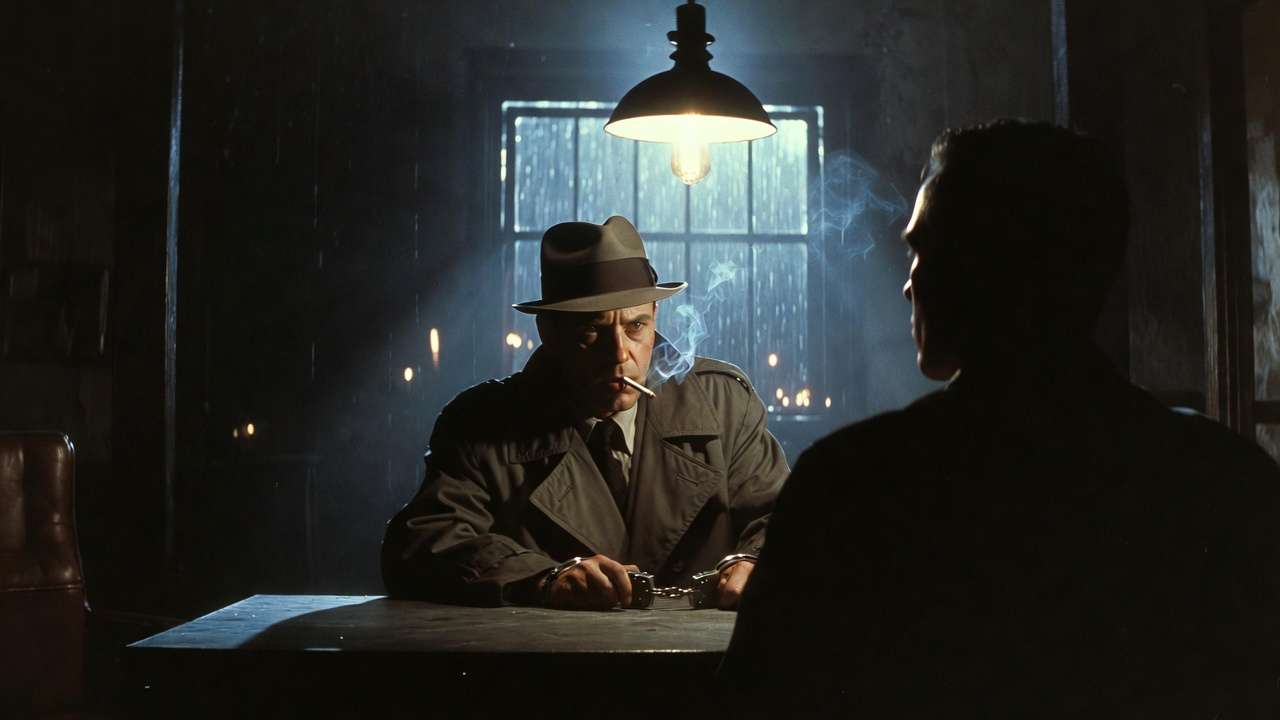
Runway Gen-4 Turbo generates up to 10 seconds per clip as a single continuous shot. Multi-shot sequences require generating individual clips and assembling them in post-production. Character and environmental consistency across separate generations depends on prompt consistency and seed management.
When it matters: For edited sequences and multi-angle content, Kling 3.0's storyboard feature reduces the number of generations needed and maintains automatic visual consistency across cuts. For single-shot creative clips where each generation is self-contained, Runway's 10-second window is sufficient for most social and creative use cases.
Camera Control
Kling 3.0 responds to professional cinematography vocabulary with high fidelity. Dolly, crane, orbit, tracking, and locked-off shots generate as distinct operations with appropriate motion profiles, parallax, and perspective shifts. Camera specifications take priority in prompt interpretation - the model serves camera direction first.
Runway Gen-4 Turbo interprets camera directions but does not differentiate between camera operations with the same precision. "Dolly forward" and "camera moves closer" may produce similar results. Camera work tends to feel more organic and interpretive rather than technically controlled. This can be an advantage for creative content where rigid camera control feels artificial, and a limitation for production work requiring specific cinematographic execution.
When it matters: For controlled product orbits, architectural walkthroughs, precise dolly reveals, and any shot where camera technique is the primary creative variable, Kling 3.0 produces more predictable and intentional output. For creative content where camera feel matters more than camera specification - music videos, experimental work, social content with an organic feel - Runway's interpretive approach can feel more natural.
Audio Generation
This is a binary difference. Kling 3.0 generates synchronized audio - dialogue with lip-sync in five languages, ambient sound, environmental audio - in the same pass as video. Runway Gen-4 Turbo does not generate audio. Any audio requires separate generation and manual synchronization in post-production.
When it matters: For any project requiring dialogue, voiceover, or synchronized sound, Kling 3.0 eliminates an entire pipeline step. For projects where audio will be custom-produced in post regardless, the absence of native audio in Runway is not a limitation.
Photorealism vs Stylization
This is where the models diverge most meaningfully, and it defines the core routing logic between them.
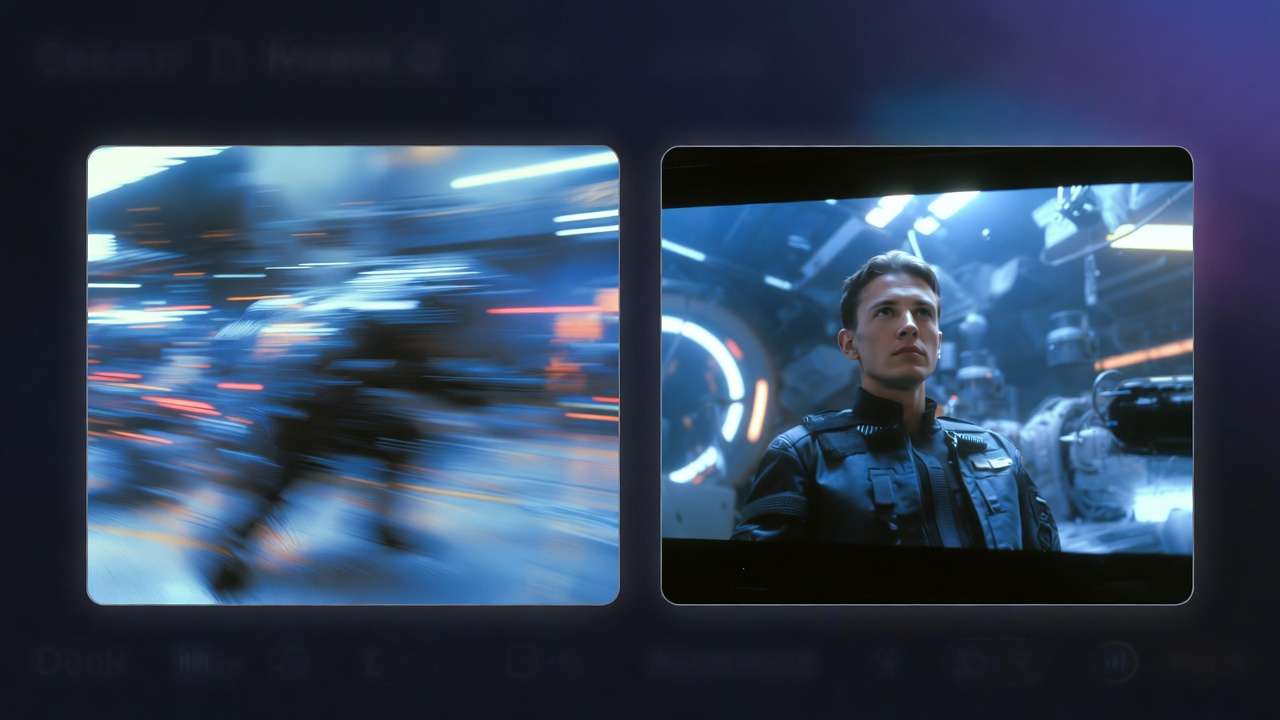
Kling 3.0 optimizes for photorealistic and cinematic output. Its training weighted professional photography and cinema, producing output that aims to look filmed. Skin tones, environmental lighting, material surfaces, and physical interactions render with the goal of photographic plausibility. Stylization is possible through prompt direction but is not the model's natural mode.
Runway Gen-4 Turbo has a wider aesthetic range. It handles photorealism reasonably well but distinguishes itself in stylized territory - abstract motion design, painterly aesthetics, graphic novel looks, surreal compositions, and visual effects that do not attempt photographic fidelity. The model is comfortable generating content that looks intentionally non-photographic, and its output in these modes often has stronger compositional instincts than models trained primarily on photography.
When it matters: For commercial product video, real estate walkthroughs, lifestyle content, and anything that should look filmed, Kling 3.0 is the stronger choice. For music videos, title sequences, experimental creative work, social content with a distinctive visual style, and any project where photorealism is not the goal, Runway's stylistic flexibility is a genuine advantage.
Generation Speed
Runway Gen-4 Turbo is optimized for fast generation. The "Turbo" designation reflects meaningful speed optimization - clips generate quickly enough for rapid creative exploration where many variations are tested to find the right direction.
Kling 3.0 operates on two tiers. Standard quality generates faster and at lower credit cost, suitable for iteration and exploration. Professional quality takes longer but produces output suitable for final delivery. The two-tier workflow enables efficient exploration without committing premium credits to early-stage concepts.
When it matters: For creative discovery sessions where generating 20 variations to find the right direction is the workflow, Runway's speed is an advantage. For production workflows where iteration happens within a defined framework (refining a specific shot rather than exploring broadly), Kling 3.0's two-tier approach provides a structured path from concept to final output.
Real-World Routing Decision Framework
Route to Kling 3.0 when:
- 4K delivery is required
- Camera work needs precise cinematographic control
- Multi-shot storyboard sequences are needed
- Native audio or dialogue is part of the content
- Product showcase or commercial photorealistic content
- Multilingual content requirements
- Longer clips (11-15 seconds) are needed
- Character consistency across clips (Omni variant)
Route to Runway Gen-4 Turbo when:
- Stylized or non-photorealistic aesthetics are the goal
- Creative exploration requires rapid iteration across many variations
- VFX-oriented content: abstract motion, title sequences, visual experimentation
- Music video aesthetics where interpretive camera feel is preferred
- Projects where audio will be produced separately regardless
- Social content prioritizing visual personality over technical precision
- Animation-adjacent styles: graphic novel, painterly, surreal
Generate with both and compare when:
- Hero shots for brand content where both photorealistic and stylized approaches could work
- Creative briefs that are ambiguous about aesthetic direction
- Any project where discovering the right visual treatment is part of the process
Side-by-Side Scenario Comparison
Project: Social Media Campaign for a Music Festival

| Shot | Description | Route To | Reason |
|---|---|---|---|
| 1 | Lineup announcement - text and artist names on dynamic background | Runway Gen-4 | Stylized motion graphics aesthetic |
| 2 | Venue walkthrough - camera moving through the festival grounds | Kling 3.0 | Controlled steadicam, photorealistic environment |
| 3 | Abstract energy teaser - pulsing lights, crowd silhouettes, surreal | Runway Gen-4 | Non-photorealistic, VFX-driven aesthetic |
| 4 | Artist spotlight - close-up performance with audio | Kling 3.0 | Native audio, camera control, photorealism |
| 5 | Event recap - multi-shot edited sequence of highlights | Kling 3.0 | 15s storyboard, multiple camera angles |
Three shots to Kling 3.0, two to Runway Gen-4. The stylized creative pieces route to Runway. The controlled production pieces route to Kling 3.0. Both models improve the final project.
Frequently Asked Questions
Can I use both models in the same project?
Yes. Both are available on Cliprise through the same interface. Generate different shots with different models and assemble from the best output regardless of source.
Is Runway Gen-4 Turbo better for beginners?
Runway's faster generation and forgiving aesthetic style can feel more accessible for exploration. Kling 3.0's precise camera control requires more specific prompting to leverage fully but produces more controlled output once learned. Neither is inherently more difficult - they reward different prompting approaches.
Which is more cost-effective for high-volume social content?
Depends on the content type. For photorealistic, audio-inclusive social clips, Kling 3.0's storyboard feature can produce complete ads in single generations, reducing total cost. For stylized social content where rapid variation testing is the workflow, Runway's speed means faster cycles even if individual generations are simpler.
Does Runway support character consistency?
Runway Gen-4 Turbo maintains character appearance within a single generation. Across separate generations, consistency depends on prompt specificity and seed management. Kling 3.0's Omni variant provides hardware-level character locking through reference image upload.
For detailed Runway Gen-4 capabilities and workflows, see the Runway Gen4 Turbo tutorial. For Kling 3.0 deep technical analysis, see the Kling 3.0 complete guide.
Related Articles
- Kling 3.0 Complete Guide: Architecture, Prompting, and Production Workflows
- Runway Gen4 Turbo: Professional Video Editing Workflows
- Kling 3.0 vs Sora 2: Complete AI Video Model Comparison
- Kling 3.0 vs Veo 3: AI Video Model Comparison
- Kling 3.0 Prompt Examples: 50 Production-Ready Prompts
- Multi-Model Strategy: When to Switch Between AI Generators