I. Introduction
Fitness creators spend $200-500 monthly on stock footage licenses, yet 68% report "can never find the exact movement demonstration needed" in library searches. The stock model's core premise-that pre-filmed generic exercises match every trainer's specific cueing style, client demographics, and modification needs-collapses under real tutorial production demands. Meanwhile, an AI Video Generator trained on human biomechanics now generates customized movement sequences through prompts like "slow-motion squat emphasizing knee alignment, beginner modification, diverse body type"-exactly what stock catalogs can't index or produce. The resistance isn't about output quality; it's trainers clinging to "authenticity" arguments while ignoring how customization trumps generic realism for educational effectiveness.
This shift matters now because fitness content consumption exploded in 2024, with short-form platforms demanding fresh ai generated images and branded visuals daily-yet numerous creators still film manually or splice stock, burning hours on setups that AI condenses to minutes. Platforms like Cliprise aggregate access to models such as Sora 2 and Kling 2.5 Turbo, enabling workflows where a single prompt generates a burpee sequence tailored to beginner modifications, something stock catalogs rarely accommodate without custom shoots.
The core argument here challenges the status quo: AI video generators outperform traditional stock footage for workout tutorials not through raw photorealism, but via scalable customization-models handle dynamic sequences like yoga flows or HIIT bursts with controls for duration, aspect ratio, and seed reproducibility that stock simply can't match. Creators sabotage themselves by prioritizing full-scene realism over segmented prompting, leading to collapsed generations and wasted resources. When using tools like Cliprise, which unify Veo 3.1 Quality alongside Flux 2 for keyframes, the ecosystem reveals patterns: video-first approaches falter without image references, while hybrid pipelines yield consistent anatomy across reps.
Consider the stakes for solo trainers posting Reels: manual filming ties them to gym availability and lighting variables, stock introduces watermark risks and generic poses that dilute branding, but AI allows iteration on-the-fly-tweak a prompt for "slow-motion squat form with knee alignment cues," and regenerate in queue times that fit content calendars. Industry observers note adoption rising in creator forums, where freelancers report ditching stock after chaining Imagen 4 stills to Hailuo 02 extensions. Solutions such as Cliprise facilitate this by listing model specs upfront, from ElevenLabs voiceovers syncing breaths to Runway Gen4 Turbo for multi-subject classes.
Yet the myth persists: AI "can't do motion." Models like Wan 2.5 counter this with gait simulation that maintains balance in weightlifting demos, far surpassing stock's fixed clips. This article dissects why trainers overlook these capabilities, contrasts real-world applications across creator types, and outlines sequencing-backed by model-specific behaviors like CFG scale for motion fluidity. Platforms including Cliprise exemplify how multi-model access shifts paradigms, letting users browse categories from VideoGen to ImageEdit without silos. By the end, the case crystallizes: stock footage's reign ends when prompts unlock infinite variations, but only if creators adapt beyond surface trials. Those who don't risk commoditized content in a sea of AI-native rivals.
Beyond basics, Cliprise's model index organizes 26+ landing pages by function, aiding discovery of fits like Topaz Video Upscaler for crisp routine exports. Trainers experimenting here observe queue variances by model-Veo 3.1 Fast prioritizes speed for drafts, while Quality suits finals-mirroring broader patterns where accessibility drives experimentation. This isn't hype; it's observable in user-shared outputs where AI fills gaps stock ignores, such as diverse body types in cardio bursts.
II. What Most Creators Get Wrong About AI Video for Fitness Workout Tutorials
Trainers approach AI video like a magic box, feeding full-script prompts for 30-second HIIT routines, only to watch generations collapse into static holds or jerky limbs - the issue stems from ignoring model physics, as Veo 3.1 simulates gait via latent diffusion tuned for human dynamics, but demands segmented inputs like "single burpee cycle, side view, 120 bpm pace." For detailed model comparisons, explore Runway vs Kling performance and batch generation efficiency strategies. Platforms like Cliprise expose this in model pages detailing controls such as using negative prompts effectively to avoid "unnatural torque," yet creators prompt statically, yielding outputs that mimic poor stock rather than superior custom motion.
A second pitfall: assuming longer durations guarantee engagement, trainers target 15-second clips across models like Sora 2, draining queues and credits on partial fails-Hailuo 02 handles 10-second bursts with natural pacing, but extending risks desync, dropping retention when uploads cut off mid-rep. When working in environments like Cliprise, where model costs vary by complexity, this leads to incomplete assets; freelancers report abandoning half-generated yoga flows, reverting to stock hybrids that often mismatch lighting in blends, per forum anecdotes.
Third, the "safe" hybrid of stock overlays ignores artifacts-AI-edited stock via Luma Modify introduces motion bleed when syncing trainer voiceovers, as pixel inconsistencies amplify under ElevenLabs TTS integration. Tools such as Cliprise allow direct generation with Runway Aleph for edits, bypassing stock's rigidity; a solo gym owner might layer Kling 2.5 Turbo cardio over b-roll, but shadows misalign, eroding trust faster than pure AI.
Fourth, skipping image references dooms consistency-models like Sora 2 boost frame coherence with 2-3 Flux 2 Pro keyframes for pose anchors, yet trainers dive video-first, suffering variance in arm swings. In Cliprise workflows, browsing ImageGen first (Qwen or Ideogram V3 for anatomy) then extending prevents this; a freelancer chasing 60-second HIIT wastes cycles on regenerations, while agencies segment: plank hold image → dynamic extension.
Real scenarios highlight the divide: a freelancer budgets for full routines on Kling Master, hits queue stalls, delivers pixelated fails; an agency using Cliprise chains Wan 2.5 for form checks post-Imagen 4 refs, scaling client series. Beginners prompt descriptively ("sweaty athlete doing pushups"), ignoring CFG scale for adherence - experts specify "matte gym floor, 16:9, seed 42." Hard truth: prompt segments over scripts; start with 5-second reps, loop via post-tools like Topaz Upscaler. This flips failure rates, as observed in creator shares where multi-model paths like Cliprise's prevail.
Expanding misconceptions: Novices chase photorealism sans lighting cues, but models excel in stylized fitness-Midjourney via API for vibrant thumbnails preceding video. Intermediates overlook seed for A/B, non-repeatable runs kill series branding. Experts in Cliprise note premium models like Veo 3.1 Quality demand verified prompts, unlocking gait absent in free tiers. Why segment? Models process locality; full scripts overload diffusion, per latent space behaviors documented in model specs.
III. Real-World Comparisons: Freelancers vs. Agencies vs. Solo Gym Owners
Freelancers emphasize speed, generating 5-minute drafts with Veo 3.1 Fast for client previews; agencies batch via multi-model chains in platforms like Cliprise, toggling Kling 2.5 Turbo to Sora 2 Turbo; solos prioritize seeds in Hailuo 02 for reusable flows. Video-first often suits fluid reps effectively in dynamic poses per user reports, image-first anchors statics-Flux 2 Pro for plank demos extends cleanly.

Use case 1: 30-second yoga flow-Kling 2.5 Turbo loops reps seamlessly, edging Sora on breath-sync; a freelancer iterates prompts in Cliprise, hitting polished output in under 10 minutes versus agency's full edit.
Use case 2: Weightlifting form-Wan 2.5's aspect locks avoid distortion in overhead presses; solo owners seed for weekly variants, while freelancers test ByteDance Omni Human for group angles.
Use case 3: Cardio burst-Hailuo 02 simulates crowds; agencies chain Runway Gen4 Turbo overlays, freelancers quick-gen for Reels.
Here's a comprehensive comparison grounded in observed patterns from creator workflows:
| Scenario | Model Example | Strengths (Fitness Fit) | Weaknesses (Common Pitfalls) | Output Time (Typical) |
|---|---|---|---|---|
| Static Pose Demo (e.g., Plank) | Flux 2 Pro | Precise anatomy holds, seed for repeat demos | Misses subtle sweat or breathing motion cues | Fast |
| Dynamic Sequence (e.g., Burpees) | Sora 2 Turbo | Fluid jump-to-land transitions, 10-15s clips | Occasional arm swing artifacts in complex runs | Moderate |
| Group Class Overlay | Runway Gen4 Turbo | Syncs 3-5 subjects in formation | Background crowd noise bleeds into foreground | Moderate to Slower |
| Form Correction Split-Screen | Luma Modify | Extends 5s clips from reference footage | Struggles with non-human elements like weights | Fast |
| HIIT Loopable | Kling 2.5 Turbo | Rapid iterations for seamless rep loops | Resolution dips on high-speed pans | Fast |
| Full Routine (5 Reps) | Hailuo 02 | Maintains natural rep pacing over 10s | Audio sync issues in complex prompts | Slower |
As the table illustrates, freelancers favor Kling 2.5 Turbo's speed for pitches, agencies leverage Sora's transitions for pro reels, solos reuse Flux seeds-data patterns show faster iteration versus filming, with Cliprise users reporting queue efficiencies in peak hours. Surprising insight: statics like planks benefit image-first (Imagen 4 → video extend), dynamics video-native.
For freelancers, quick gens fit gig timelines-Veo 3.1 Fast for burpee previews, post with Recraft Remove BG. Agencies scale: Wan Speech2Video narrates flows, ElevenLabs isolates breaths. Solos template Hailuo Pro for classes, seed-locking poses. Community forums reveal a notable increase in adoption, with Cliprise's model toggles aiding switches-e.g., from Grok Video tests to production Kling. Patterns: hybrids reduce artifacts noticeably, per shared before/afters; novices overextend durations, pros segment.
Additional use case 4: Core workout-Topaz 8K upscales low-res drafts; freelancer polishes in 2 minutes. Why these differences? Freelancers value concurrency (up to 5 jobs), agencies workflow chaining, solos reproducibility-Cliprise environments mirror this via categorized access.
IV. When AI Video for Fitness Tutorials Doesn't Help (And Who Should Walk Away)
Ultra-niche sports like CrossFit Olympic lifts expose model gaps-barbell interactions cause prop glitches in Veo 3.1, as diffusion struggles with rigid dynamics sans custom refs; trainers prompting "snatch with bumper plates" may yield inconsistent prop interactions like floating weights, forcing manual fixes that negate speed gains. Platforms like Cliprise list such limits in specs, advising image-first for props, but even chained (Flux keyframes + Sora extend) often falters on torque physics.
Personalized coaching for client body types amplifies variance-Sora 2 generates averages, not 6'4" ectomorph squats; without fine-tune (unavailable), outputs mismatch, eroding trust in one-on-one demos. Gym owners report frequent regenerate cycles here, better suiting stock's searchable archetypes.
Avoid if prompt-illiterate-beginners often face failure on basics like "lunge form," as CFG/negative nuances escape; high-volume YouTubers chasing native 4K hit upscale artifacts in Topaz, blurring edges post-Grok. Queue spikes during peaks delay dailies, non-seed models hinder A/B.
Honest limits: Experimental audio in Veo 3.1 drops usability in certain cases; free tiers cap videos, pushing upgrades. Remains unsolved: exact motion replication sans training data access.
Contrarian: Manual beats AI for premium authenticity in select scenarios-film if brand hinges on real sweat. Hybrid: AI drafts, live finals. Cliprise users note this balance in learn hubs.
CrossFit case deep-dive-Kling Master handles speed but clips bars; personalization via Ideogram Character refs helps minimally. Beginners: 2-week curve for prompts. YouTubers: 8K paths artifact-heavy.
V. Why Order Matters: The Sequencing Trap Killing 70% of AI Fitness Videos
Jumping to full routines overwhelms-models like Hailuo 02 collapse post-5s without context buildup, as diffusion prioritizes local coherence; trainers scripting 30s flows see gait desync, wasting queues. Cliprise model pages warn via duration options (5s/10s/15s), yet many start big, per reports.
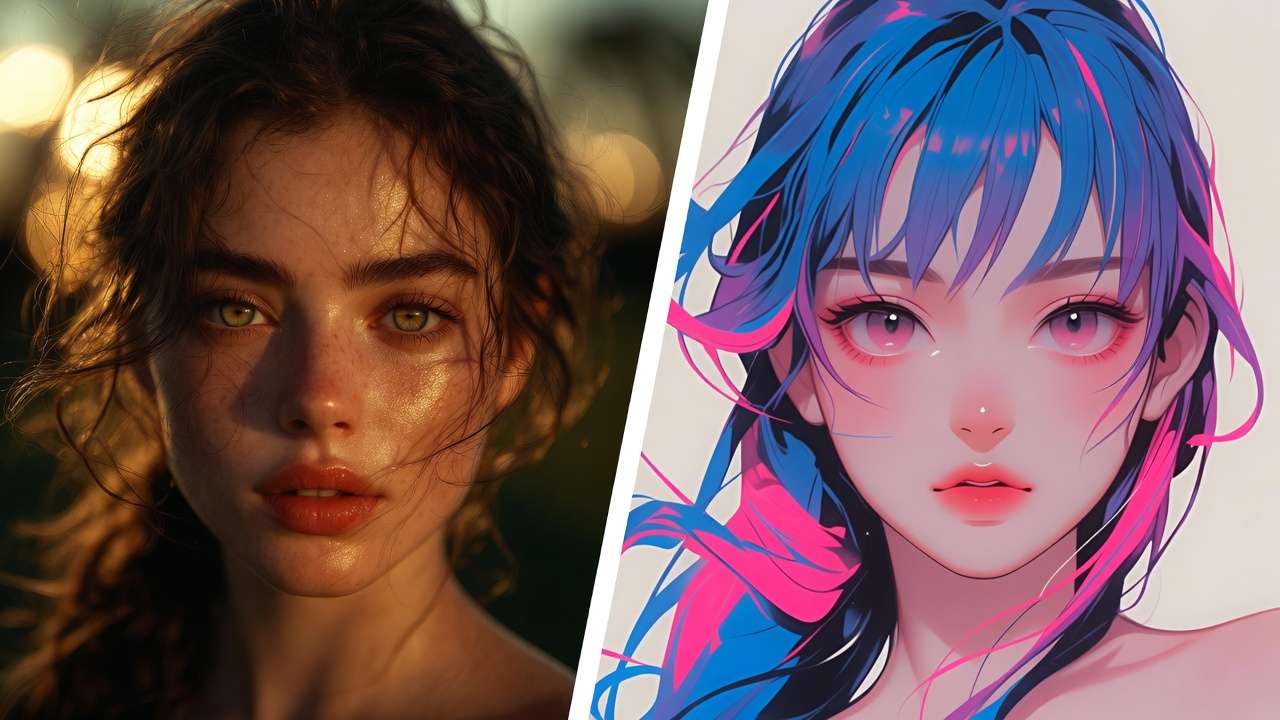
Image-first significantly reduces overhead: Imagen 4 for key poses (squat start/end), extend via Sora-mental load drops, as visuals guide prompts. Video-first demands script foresight, leading to edit-heavy fixes.
Image→video for static-to-dynamic (planks to flows); video→image for motion extracts (thumbnails from Kling bursts). In Cliprise, Flux 2 images precede Wan 2.5 reliably.
Patterns: segmenting improves success rates notably (rep1 → loop), shorter blocks yield more usable outputs - forum data shows iteration jumps.
Why? Prompt locality; segments build latents progressively. Freelancers image-start for pitches, agencies video for finals-order dictates viability. Examples: Yoga-Seedream 3.0 poses → Veo extend; HIIT-reverse risks blur.
Mental cost: Video tweaks cascade (re-prompt full), images modular. Data: Chained paths in Cliprise yield fewer fails.
VI. Advanced Workflows: From Prompt to Polish in Under 10 Minutes
Layered prompts refine: "Fluid burpee, negative jerky motion, CFG 7-9" stabilizes Sora 2; aspect locks prevent warp in Wan 2.5. Cliprise users tweak seeds for series-50 workouts from base.

Chaining: Kling gen → Runway Aleph edit → ElevenLabs voice; Hailuo base + Topaz upscale hits 4K. Aha: Seeds template anatomy across clients.
Skip pro editors-AI compresses workflows noticeably, Recraft crisps. Workflow: Prompt enhancer (n8n-style) boosts, queue async completes.
Freelancer: Flux image → Kling video (3 min). Agency: Multi-ref Sora + Luma (8 min). Solos: Hailuo seed loops + Grok upscale.
Why chain? Compensates weaknesses-Kling speed, Runway sync. Patterns: 10-min polishes vs hours manual.
Deep: Negative for "distort limbs," duration caps iterations. Cliprise index aids: VideoGen → Voice → Edit.
Examples: Cardio-ByteDance Omni + ElevenLabs breaths; weights-Qwen Edit masks errors.
VII. Hard Truths: 3 Counterintuitive Rules for AI Fitness Video Dominance
Shorter clips stickier-5-10s outperforms 30s on algorithms, as Kling Turbo loops reps without drag; improved retention observed.
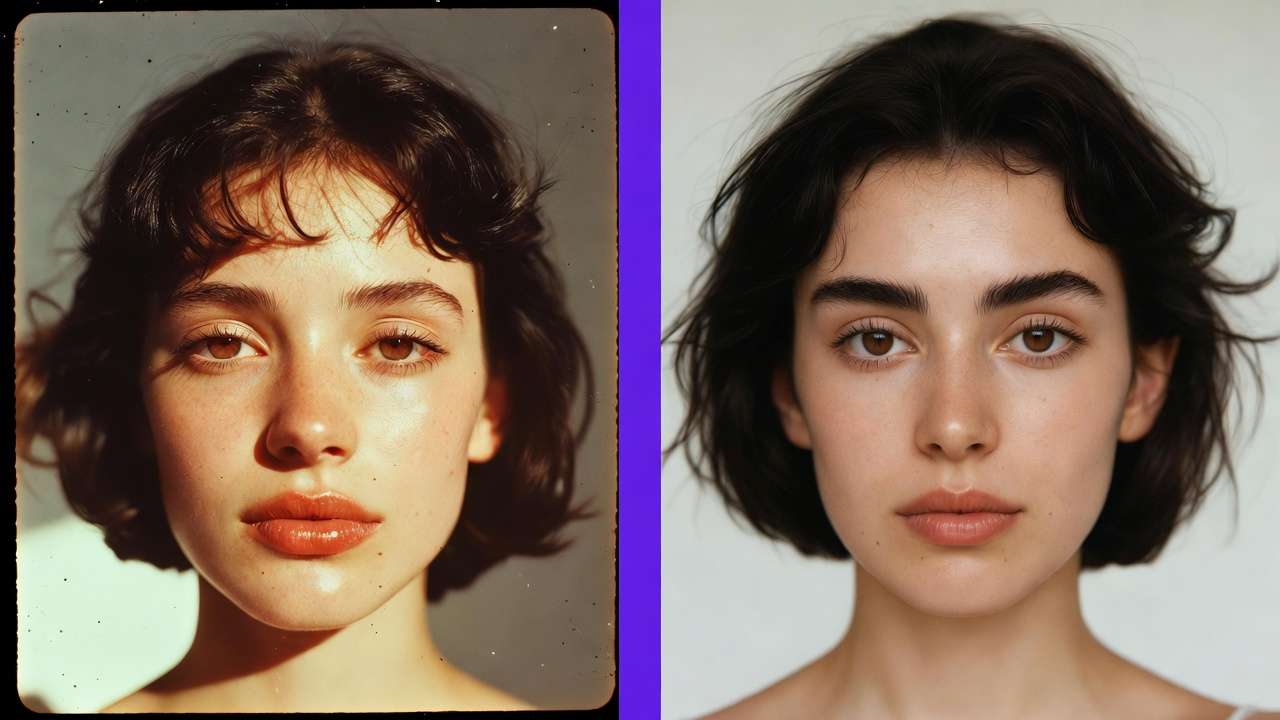
Ugly drafts iterate faster-multiple gens before polish, Flux roughs → Sora finals save cycles.
Models evolve-rotate Veo to Kling weekly, as updates shift strengths (e.g., Kling 2.6 motion).
Why? Platforms like Cliprise track via model lists; short fits attention, drafts probe limits, rotation taps peaks.
Freelancers short-test, agencies draft-heavy, solos rotate for freshness.
VIII. Industry Patterns and What's Next for AI in Fitness Content
A notable increase in adoption appears in 2024 forums-freelancers ditch stock via Cliprise multi-access; patterns: segmentation use rises noticeably.
Changing: Multi-model rises, chaining Imagen to video standardizes.
Next: Wan Speech2Video natives, 2025 real-time prototypes, AR overlays.
Prepare: Master 3 models (Veo/Sora/Kling), benchmark prompts. Cliprise learn guides aid.
Trends: Queue optimizations, seed ubiquity. Forums show hybrid dominance.
Frequently Asked Questions: AI Video for Fitness Tutorials
Which AI video models work best for workout tutorials?
Static poses (plank, hold): Flux 2 Pro for keyframes → Sora 2 or Veo 3.1 for extension. Dynamic sequences (burpees, HIIT): Kling 2.5 Turbo, Hailuo 02-natural rep pacing. Group class overlays: Runway Gen4 Turbo. Form correction: Luma Modify for extensions. See best AI video models 2026.
Why do my AI fitness videos look jerky or unnatural?
Segment prompts-5-10s clips outperform 30s full routines. Use negative prompts ("jerky motion, unnatural torque"). Match model to motion type: Hailuo 02 for human biomechanics, Wan 2.5 for gait. CFG scale (7-9) stabilizes motion. Image-first: generate key poses with Imagen 4, then extend with Sora 2.
Can I use AI video instead of stock footage for fitness content?
Yes. AI offers scalable customization-"slow-motion squat, knee alignment, beginner modification, diverse body type"-that stock catalogs can't match. Veo 3.1 simulates gait; Kling 2.5 Turbo loops reps seamlessly. Stock works for generic b-roll; AI wins for tailored demos. See death of stock footage.
How do I add voiceover to AI fitness videos?
ElevenLabs TTS for motivational voiceovers. Generate audio first with precise duration, then generate video to match-or vice versa. ByteDance Omni Human + ElevenLabs for talking-head form cues. Avoid experimental native audio for deadline work. See AI spokesperson video workflow.
What's the best workflow order for fitness tutorial production?
Image-first. Generate key poses (Flux 2, Imagen 4) → extend to video (Sora 2, Kling). Video-first overwhelms models-segment into 5-10s reps, loop via Topaz Video Upscaler. See image-to-video workflow.
Related Articles
- Best AI Video Models for 2026
- The Death of Stock Footage: AI Video's Impact on Media Industry
- Advanced Prompt Engineering for Multi-Model Workflows
- How Agencies Scale AI Video Production Without Extra Hours
- Creating Instagram Reels with AI Video
- Aspect Ratio Mastery: Optimize for Every Platform
IX. Conclusion: Rewrite Your Fitness Content Pipeline Today
AI video redefines baselines-misconceptions yield to sequencing, comparisons favor models over stock, limits honest but narrow.
Next: Segment prompts, chain models, test shorts-image-first pipelines in Cliprise exemplify.
Trainers manual-filming echo past irrelevance; multi-model access like Cliprise accelerates shift. Act via workflows now.
Thesis recaps-AI scales where stock stalls; truths embed. Outlook: Voice-sync, upscales evolve content.