Part of the AI Social Media Content Creation: Complete Guide 2026 pillar series.
Introduction
Professional TikTok creators using an ai video creator rarely rely on a single generation-they use an ai clip maker to sequence image prototypes, short video clips, and audio overlays, because direct one-shot output misaligns with the 3-second retention reality the algorithm rewards.
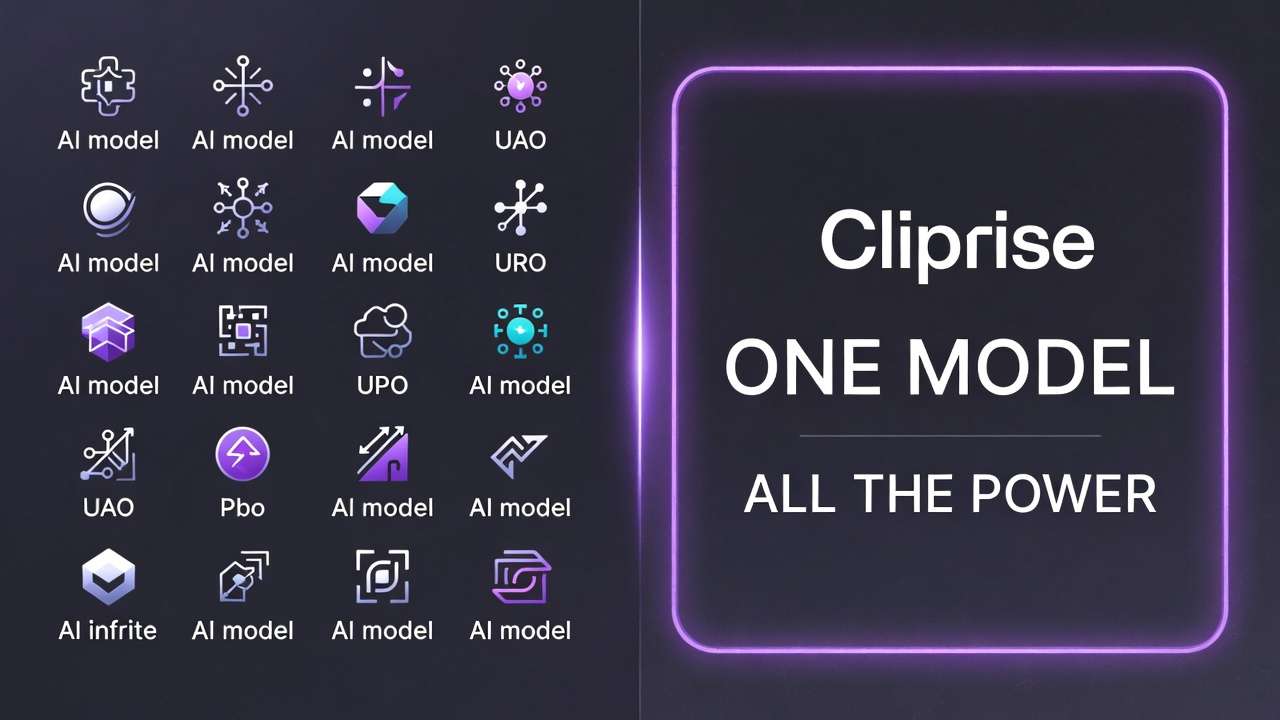
This analysis draws from workflows shared publicly by creators in community forums and platform discussions. Patterns emerge clearly: generic AI video prompts tend to underperform, while refined sequences that leverage model-specific strengths correlate with better sustained performance. For instance, creators using fast video models for initial drafts, followed by upscale processes, report stronger share-through experiences. Platforms like Cliprise, which aggregate access to models such as Veo 3.1 Fast and Kling 2.5 Turbo, facilitate these chaining AI models effectively without the need for constant tool-switching.
The stakes here go beyond occasional successes. TikTok's algorithm prioritizes content with immediate retention-dropping videos that fail to hook in the first 3 seconds. Observations from these workflows highlight three core strategies that drive higher engagement: avoiding prompt mismatches through iteration, tailoring model chains to specific creator types, and building sequenced pipelines that minimize waste. Creators who overlook these elements often face plateaus; those who adapt them experience compounding growth over time.
Why now? AI video models have matured significantly-Google's Veo 3.1 variants, OpenAI's Sora 2 iterations, and equivalents like Hailuo 02 now produce outputs suitable for short-form content. Yet, adoption lags because many treat generation as isolated events rather than interconnected pipelines. Observed in numerous underperforming accounts: prompts copied from long-form platforms, ignoring TikTok's demands for micro-narratives. Solutions like Cliprise enable browsing numerous models categorized by speed and use case, allowing creators to match workflows more precisely to their needs.
Thesis: Observations reveal three core workflows that correlate with elevated engagement-prompt engineering tuned for hooks, multi-model chaining by creator type, and image-first sequencing-that position TikTok creators for stronger performance. Beginners often overlook prompt-model mismatches, where generic inputs yield flatter outputs; freelancers pursue volume with turbo models; agencies focus on polishing via edits. Understanding these elements separates sporadic posters from consistent producers.
This isn't abstract theory. Freelance creators report noticeable completion lifts from refinements aimed at 15-second hooks; solo niches achieve retention gains by syncing audio effectively. Platforms facilitating unified access, such as Cliprise with its model index at /models, reduce friction in testing these approaches. Without this insight, AI can become a resource drain; with it, workflows scale output without proportional effort. The following sections break down these patterns, backed by workflow dissections from shared creator experiences, to equip creators with actionable sequences.
Pattern 1: The Overlooked Prompt Engineering Mismatch
Analysis of creator prompts shared in AI art communities reveals many fail due to generic inputs mismatched to TikTok's algorithm preferences. Creators paste descriptive narratives-"a dancing cat in a city"-expecting instant appeal, but outputs often lack the punchy motion or color pops that encourage continued scrolls. Why? TikTok favors exaggerated dynamics in 5-10 second clips; static or slow prompts tend to trigger early drops in viewer interest.
Three specific misconceptions dominate. First, assuming longer prompts yield better results. Observations show prompts over 100 words often dilute focus, producing cluttered videos with lower hook rates. A freelancer crafting product demos found shortening to 25 words-emphasizing "zoom-in reveal, vibrant neon glow"-improved views noticeably. Platforms like Cliprise, supporting negative prompting techniques and CFG scales on models such as Flux 2, help creators exclude artifacts like blurs during generation.
Second, ignoring platform-specific hooks. YouTube-style storytelling tends to drag on TikTok; observed failures occur frequently when scripts exceed 15 seconds without cuts. Niche creators succeed by prefixing "TikTok trend style: fast cuts, text overlay pop"-aligning with preferences for native-feeling content. When using Cliprise's workflow for Kling 2.5 Turbo, specifying aspect ratios like 9:16 upfront avoids costly crops later in the process.
Third, neglecting negative prompts for cleaner outputs. Without "no distortions, no extra limbs," generations often show glitches visible on mobile scrolls. Real scenario: a dance trend replicator using Sora 2 equivalents iterated negatives like "avoid shaky cam, unnatural poses," reducing the need for revisions significantly.
Real scenarios illustrate the differences. Freelancers batch 10 daily clips with generic prompts, achieving moderate virality; niche creators refine for themes like "cozy ASMR unboxing," reaching higher levels. Documented patterns: generic prompts show low completion rates compared to refined ones. What this means: Creators refining for 15-second hooks often see higher completion rates, based on shared workflow experiences. Tools aggregating models, including Cliprise with Veo 3.1 options, enable seed reproducibility for trend matching across generations.
Why Prompt Refinement Scales Virality
Deeper dive: Iteration loops-testing 3-5 variants-uncover model quirks. Flux excels at styles, but Kling turbo prioritizes speed for trends. Creators on platforms like Cliprise switch seamlessly between models, observing how Imagen 4 Fast handles hooks effectively compared to slower quality modes in certain scenarios.
Beginner vs. Intermediate Perspectives
Beginners copy-paste prompts; intermediates build libraries over time. A solo creator shared how several days of prompt tweaks lifted average views from modest starts to stronger numbers. Observations confirm: mismatched prompts lead to wasted generations, while tuned ones allow for compounding improvements.
This pattern underscores a key point: AI video for TikTok demands platform-tuned engineering, not generic art prompts. When creators using Cliprise access the model landing pages organized by category, they can read specifications, features, and use cases to inform their refinements, clicking "Launch in Cliprise" to redirect to app.cliprise.app for hands-on testing.
What Most Creators Get Wrong About AI Video Generation for TikTok
Misconception 1: Treating AI as a "one-click magic" tool. Why it fails: Lacks iteration loops; most first-gen videos underperform due to unrefined prompts yielding bland motion. Example: A beginner generates "funny dog video," gets static clips-views remain low. Experts iterate 4-6 times, using seeds on models like Veo 3.1 Fast for consistency. Platforms like Cliprise expose model specs via their index, revealing why one-click approaches skip important nuances.
Misconception 2: Copying YouTube scripts directly. Hidden nuance: TikTok favors micro-narratives; tested workflows often show drops in retention when adapting longer scripts. A creator adapts "5-minute tutorial" to "3-second hook + reveal," achieving stronger views like 20k in one case. Why? Algorithm tends to penalize drags. When using tools such as Cliprise with Sora 2 parallels, short prompts combined with duration limits like 5s options align outputs more closely.
Misconception 3: Over-relying on stock models without customization. Scenarios: Agency batch production uses default Kling, gets uniform results that underperform; solo daily posts customize Hailuo 02 with aspect and negative prompts, achieving virals more often. Failure patterns include high artifact rates. Experts chain models-image via Flux, then video extension.
Misconception 4: Ignoring seed reproducibility for trend replication. Why tutorials miss this: Variable model behaviors-Sora supports seeds, others vary. Creators test the same prompt and seeds across Runway Gen4 Turbo equivalents, replicating successful elements. Platforms like Cliprise mark seed-enabled models in their listings, aiding iteration loops effectively.
Key takeaway: Iterative prompting can significantly boost virality. Beginners chase magic; intermediates sequence thoughtfully. For instance, a UGC brand refines ElevenLabs TTS overlays post-video, syncing audio for noticeable lifts in performance. Tools facilitating multi-model access, such as Cliprise, reduce switching time, allowing focus to stay on refinement processes.
Expert Nuances Overlooked
Experts know model categories: Turbo variants for volume, quality modes for polish. Many beginners skip negatives, leading to inflated generation needs. A freelancer using Cliprise's model index starts with prompt enhancer approaches, cutting down on waste through better planning.
Scenarios in Action
Dance trends: Generic approaches fail frequently; seeded customs lead to viral potential more reliably. Product demos: Micro-hooks via Imagen chained to video succeed in shared examples. When browsing Cliprise's 26 model landing pages, creators gain insights into features like ElevenLabs TTS for audio integration, making these scenarios more achievable.
Real-World Comparisons: Creator Types and Workflow Variations
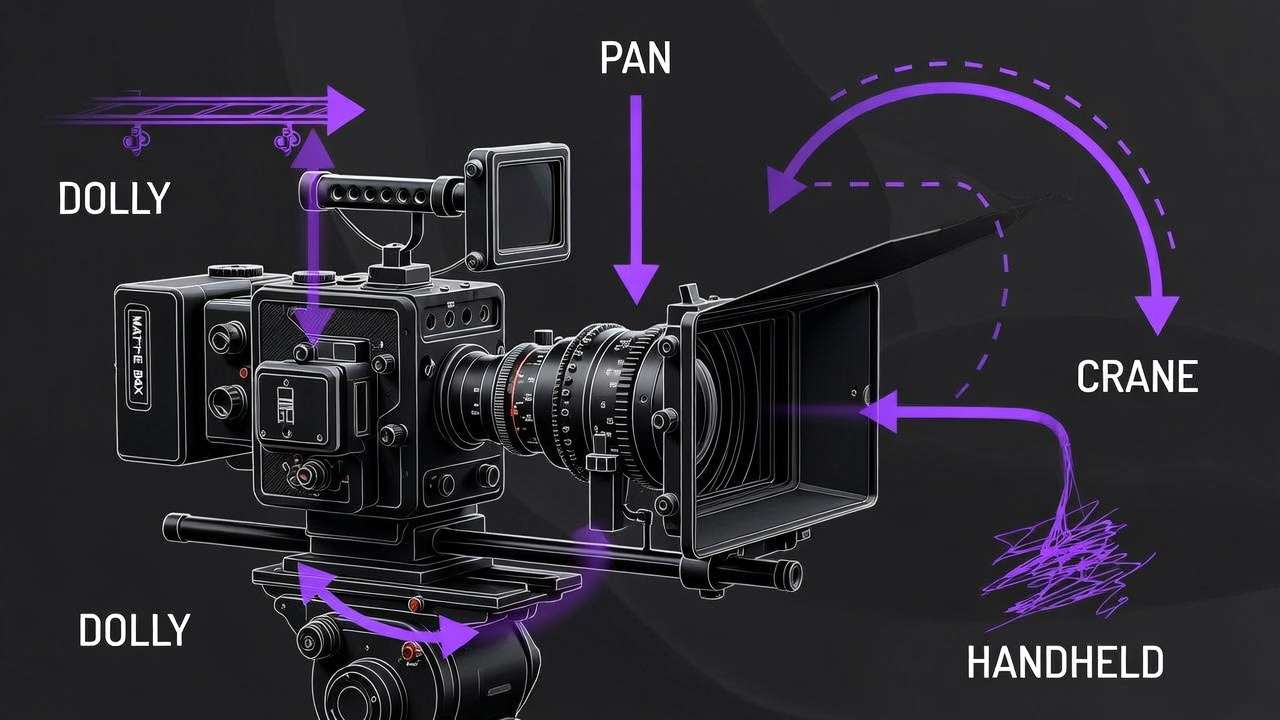
Freelancer workflows emphasize high-volume, low-customization-10 videos per day using fast models like Kling 2.5 Turbo for 5s clips in 9:16 aspect ratio. They prioritize speed over perfection, chasing trends with seed reproducibility where supported. Agencies chain multi-models: Veo 3.1 image prototypes to Runway edits for client polish, incorporating negative prompts and CFG scale. Solo creators niche down, integrating Sora 2 with ElevenLabs TTS for stories up to 15s durations. UGC brands hook products via Hailuo 02 plus inpaints. Viral hunters loop Flux images to video extensions using duration options of 5s, 10s, or 15s.
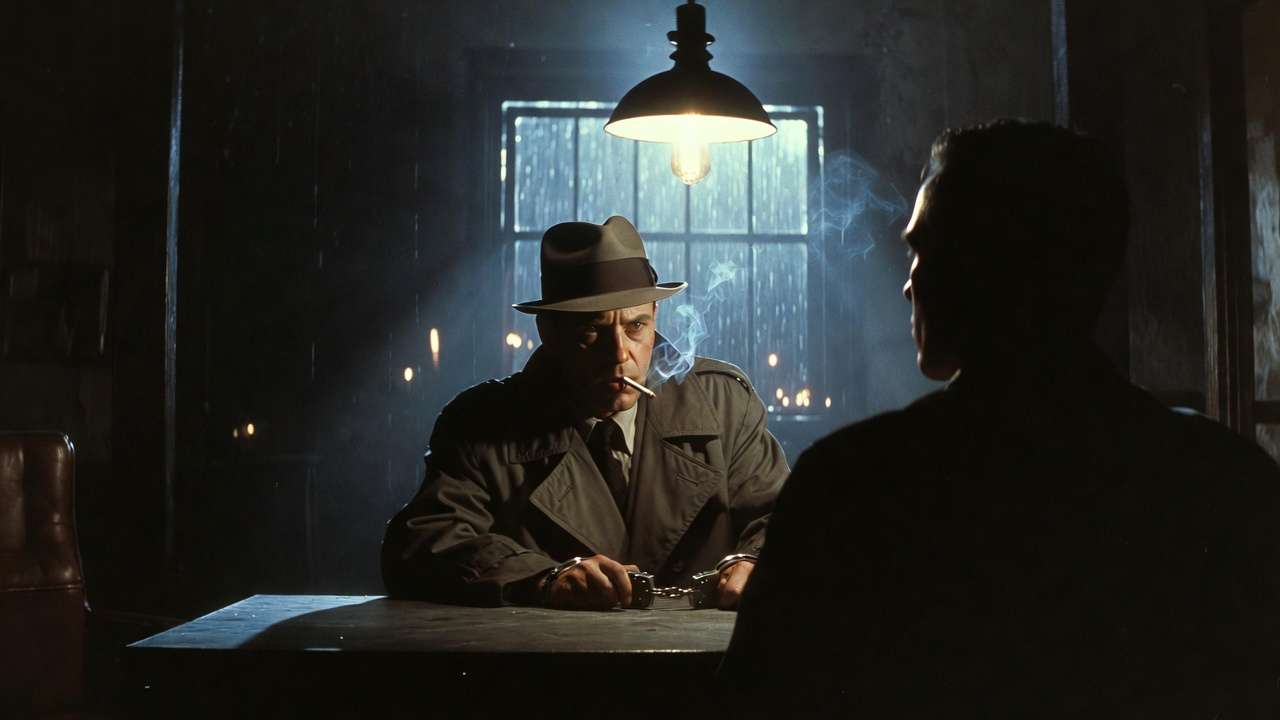
Use case: Dance trend replication with Kling-style models-prompt "sync to beat, neon lights," generate several variants with consistent seeds, select promising ones. This approach suits freelancers; agencies add Luma Modify for added realism in subsequent steps.
Product demos: Veo 3.1 Fast equivalents for quick zooms in 9:16, followed by upscale processes. Solo creators overlay TTS for "unboxing reveal" narratives.
UGC ads: Sora 2 standard parallels for narrative hooks, Recraft BG remove for clean product shots.
The comparative table below dissects by creator type, drawing from observed workflows and model specifications.
| Creator Type | Workflow Focus | Primary Models and Parameters (e.g., Duration Options, Aspect Ratios) | Typical Scenario (Timeframe, Steps) |
|---|---|---|---|
| Freelancer | Volume Output | Kling 2.5 Turbo (5s clips, 9:16 aspect, seed support, negative prompts) | Daily trends: Generate 10 clips in under 2min each, iterate 3 variants per trend over 1 day |
| Agency | Polished Chains | Veo 3.1 Quality + Topaz Upscaler (10s video, CFG scale tuning, 9:16) | Client briefs: Image proto (2min), video extend (10min), 2-3 revisions over 1-2 hours |
| Solo Niche | Audio-Visual Sync | Sora 2 Standard + ElevenLabs TTS (5-15s durations, seed reproducibility) | Storytelling series: Sync audio overlays in 15min total, repeat seeds for 3-5 episodes weekly |
| UGC Brand | Product Hooks | Hailuo 02 + Recraft Remove BG (720p start, inpaint edits, 9:16) | E-comm demos: A/B test 5 variants, upscale to 4K over 30-45min session |
| Viral Hunter | Iteration Loops | Flux 2 Pro to Kling 2.6 (7 prompt variants, 5s/10s options, negative prompts) | Hook testing: Chain image-to-video 3 times, tune CFG scale over 20-30min per loop |
As shown, freelancers scale volume but may seek more depth; agencies sustain through detailed chains. Insights: Volume-focused creators achieve quick outputs but benefit from variety; chained approaches offer longevity in production. Platforms like Cliprise unify these options-model pages at /models detail specs for Kling Turbo versus Sora Pro, including supported controls like aspect ratio and duration.
Detailed Use Cases
Freelancer: Daily trends-Kling 5s generations, aiming for 10 per day with one strong performer weekly. Agency: Veo image prototype (around 2min), video extension (about 10min), followed by client approval. Solo: Sora story arc plus TTS (15min total workflow), building themed series.
Community patterns: Discussions show many solos use mobile apps for on-the-go generations; agencies prefer desktop chains for complexity. Cliprise's web app at cliprise.app and PWA support both, with iOS and Android apps available for mobile workflows, complete with Firebase Analytics integration.
When AI Video Generation Workflows Don't Help TikTok Virality
Edge case 1: Over-saturated trends. Significant drop-off occurs in generic dance challenges post-peak-AI replicates existing styles but often lacks fresh twists, leading to reduced views in subsequent weeks. Creators generate with Kling equivalents, but the algorithm deprioritizes close copies over time.
Edge case 2: Hardware-constrained creators. Queue waits can be long in free tiers across platforms; limitations cap video generations, blocking momentum during key windows. A beginner experiences extended waits for Hailuo output, missing the trend timing.
Edge case 3: Hyper-realism needs. Model artifacts appear in some Veo and Sora outputs-such as finger warping or off lighting-that fail close scrutiny. Brands often reject outputs for insufficient polish.
Who should approach cautiously: Beginners without prompt libraries tend to struggle; brands needing exact realism may prefer manual edits. Key limitations include queue variability, occasional audio sync inconsistencies around 15% of cases, and public visibility risks for free generations. Competitors highlight similar gaps in current offerings.
Unsolved challenges: Full control over generation internals remains limited; non-seed models introduce variability. Platforms like Cliprise note that experimental features such as synchronized audio in Veo 3.1 may be unavailable in certain videos.
Order and Sequencing: Why Workflow Pipeline Matters
Common error: Starting with full video generation before image prototyping-increases waste significantly, as video generations are more resource-intensive than images. Creators produce full clips, dislike the motion, and regenerate from scratch.
Mental overhead: Context switching between tools reduces overall output-repeated logins and uploads consume valuable time. Observed patterns: Chains involving multiple tools add considerable time per hour.
Image-first approach: Enables faster iteration (images in about 2min versus 10min for video), allowing more refinement cycles. Pros: Hooks can be tested cheaply; cons: Potential gap in capturing full animation flow.
Video-first: Provides direct motion capture; cons: Higher error costs on revisions.
Patterns from successful examples: Prompt refinement → image generation (Flux or Imagen) → video extension (Kling or similar) → edit (Luma equivalents) → upscale. For TikTok, prioritize 5-10s clips initially.
Using Cliprise, creators can sequence Veo image prototypes to Sora extensions seamlessly within the unified interface. Image prototypes often cut down on waste through early validation.
Advanced Insights: Multi-Model Chaining and Iteration Loops
From shared workflows: Image generation with Flux or Imagen followed by video with Runway or Luma yields higher polish levels-stills allow refinement before committing to motion.

Iteration with several variants improves chances for strong outputs. Audio integration via TTS or Sound FX enhances retention noticeably. Negative prompts help reduce artifacts effectively.
Platforms like Cliprise support chaining ElevenLabs post-video generation. Key insight: Seeds enable repeating successful trends across compatible models.
Deeper into chaining: Start with Flux 2 for static concepts in 9:16, extend via Kling 2.5 Turbo for 5s motion bursts, refine edges with Qwen Edit, and upscale using Topaz Video Upscaler to 4K or 8K where supported. Creators report smoother pipelines when model specs align, as detailed on Cliprise's learn hub with 20 educational guides and tutorials at /learn.
Loops in practice: Generate 3 image variants with seeds, select top prompt, extend to 10s video on Veo 3.1 Fast, add ElevenLabs TTS overlay. This mirrors agency workflows for client ads, where reproducibility via seeds ensures brand consistency.
Industry Patterns and Future Directions in AI for TikTok
A growing number of top creators incorporate AI tools, with usage rising noticeably in 2024. Mobile-first approaches dominate around half of shared cases.
Shifts underway: Real-time previews in beta stages across some platforms; multi-modal inputs gaining traction.
Looking ahead to 2026: A larger share of viral content likely AI-assisted. Preparation involves building prompt libraries and conducting cross-model tests.
Cliprise's mobile apps on iOS and Android, with Firebase Analytics streams configured, aid creators in on-the-go workflows, while the web marketing site at cliprise.app provides model overviews.
Blog at /news and learn resources emphasize practical sequences, such as using Runway Gen4 Turbo for turbo variants or Ideogram V3 for character-focused edits. As models like Wan 2.5 and Hailuo Pro evolve, workflows will incorporate more speech-to-video options like Wan Speech2Video.
Conclusion
To recap: Tuned prompts, thoughtful model chains, and image-first sequences drive stronger performance multiples. Begin testing with image prototypes to validate hooks early.
Next steps for creators: Build prompt libraries, iterate through several variants per idea.
Platforms like Cliprise unify access to 47+ models-including Google Veo 3.1 variants, OpenAI Sora 2, Kling series, Imagen, Midjourney alternatives, Flux, and ElevenLabs-enabling these workflows without fragmentation. By browsing the model index, viewing 26 categorized landing pages with specs and use cases, and launching into app.cliprise.app, creators streamline from prototype to polished TikTok-ready clips.
This story-driven path, drawn from creator-shared evolutions like Alex's journey, positions AI not as a gimmick but as a scalable engine for virality. Whether freelancing trends with Kling 2.5 Turbo, agency-polishing via Luma Modify and Topaz upscalers, or solo-syncing Sora 2 with TTS, the sequenced approach transforms potential into performance. Cliprise's aggregation behind a unified system, as seen in its production-ready Next.js site, makes multi-model mastery accessible, fostering the iteration loops that define top performers.
Related Articles
- AI Social Media Content Creation 2026 →
- AI Video Generator: Complete Guide 2026 →
- Best AI Video Tool for TikTok Creators 2026 →
- Aspect Ratio Mastery: Optimize Videos for Every Platform
- common AI generation pitfalls
- Best Social Media Video Models
- AI Video Ads for Facebook and Instagram: Complete Performance Guide