Looking for a direct feature-by-feature comparison? See Cliprise vs Midjourney: Complete Comparison 2026. This article explores the broader strategic question: when does access to 47+ models outperform mastery of one?
Introduction
Midjourney's refined image synthesis has set a benchmark for stylistic consistency in AI-generated art, yet creators handling diverse content pipelines-from static visuals to short videos-frequently encounter limitations when locked into a single engine. Platforms aggregating dozens of specialized models, such as those integrating Flux, Imagen, and Kling alongside Midjourney alternatives, reveal patterns where workflow adaptability outweighs isolated excellence in one domain.
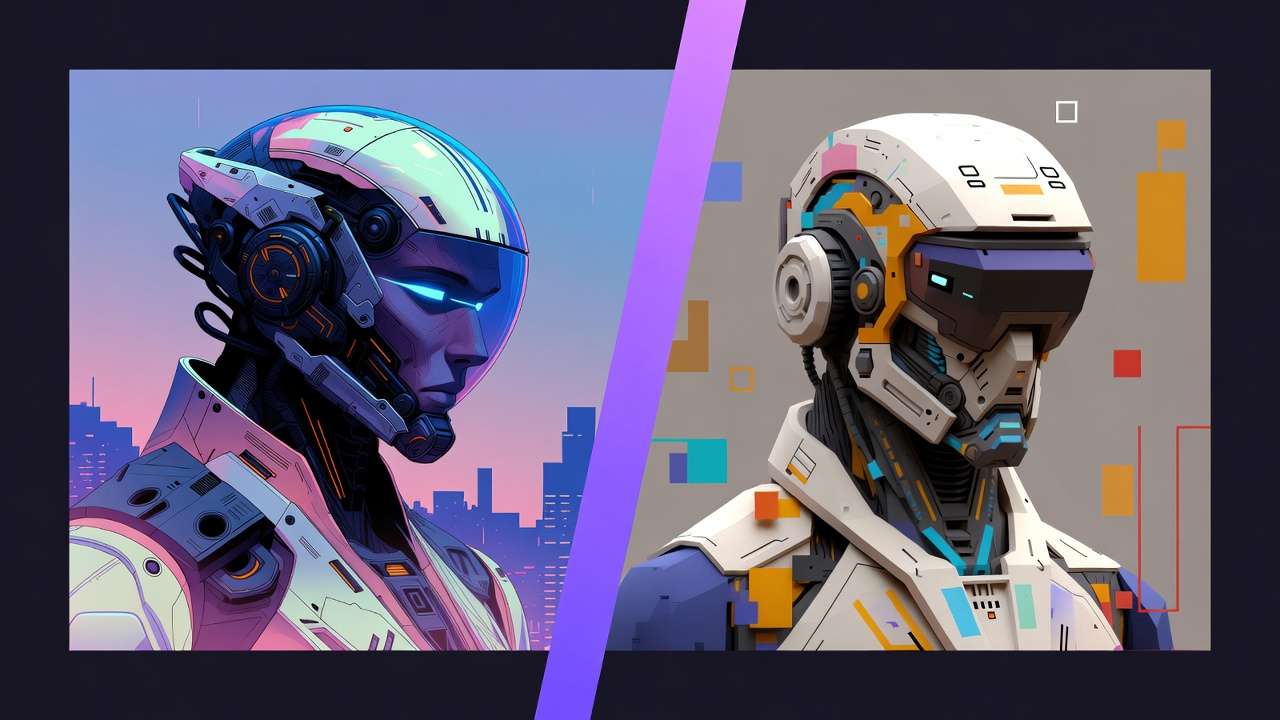
This dynamic plays out across creator ecosystems, where single-model tools like Midjourney excel in surreal or artistic renders but falter in extensions to video or editing tasks. Multi-model solutions address this by providing access to 47+ engines, including Google Veo variants, OpenAI Sora iterations, and ElevenLabs for audio, all under unified interfaces. The trade-off centers on specialization versus versatility: a dedicated image synthesizer delivers predictable outputs for stylization-heavy work, while aggregators enable seamless shifts between image generation, video extension, and upscaling.
Consider the stakes for working creators. Freelancers producing social media kits may spend hours reworking a single ai image creator's outputs in separate tools for background removal or motion addition, fragmenting their process. Agencies scaling ad campaigns observe that chaining models-starting with Flux for base images, then Kling for video-preserves fidelity across formats without export-import cycles. Solopreneurs testing concepts report fewer dead ends when scouting models via indexes, as seen in platforms like Cliprise that organize 26+ model pages by category.
What patterns emerge from these observations? Industry discussions highlight how single-model loyalty creates blind spots: Midjourney's Discord-centric workflow suits community-driven iteration but introduces friction for offline or multi-modal chains. Multi-model environments, by contrast, support prompt portability with adjustments for seeds and CFG scales, reducing regeneration needs. This analysis draws from documented capabilities-model-specific controls like aspect ratios, negative prompts, and duration options (5s, 10s, 15s)-to unpack trade-offs.
Readers gain foundational clarity here: understanding when 47 models enhance outcomes versus when one suffices prevents wasted iterations. Without this lens, creators risk over-investing in familiarity, missing efficiencies in evolving AI landscapes. For a deeper dive into platform strategy, see our single vs multi-model platforms guide. Platforms like Cliprise exemplify aggregation by redirecting users from model specs to unified generation, fostering experimentation. As AI providers release updates-Veo 3.1 Quality, Sora 2 Pro-the ability to compare outputs directly influences project success. This piece examines architectures, misconceptions, comparisons, sequencing, limitations, and trends, equipping analysts and practitioners to evaluate workflows objectively.
For beginners, the insight lies in simplicity: one login accesses varied engines. Intermediates appreciate customization layers, like seed reproducibility across Veo and Sora. Experts value chaining potential, such as Flux to Ideogram edits. The contrarian angle persists: dominance in images does not equate to pipeline dominance. When using tools such as Cliprise, creators navigate these via model indexes, launching into workflows that balance variety with cohesion. This sets the stage for deeper dissection, revealing why aggregation patterns are reshaping content production.
Defining Single-Model vs. Multi-Model Platforms
Single-model platforms center on a proprietary or tightly optimized engine, such as Midjourney's diffusion architecture tailored for artistic image synthesis. Outputs emphasize stylistic coherence, with controls like upscaling workflows integrated directly into Discord or web interfaces. Prompt handling relies on community-refined syntax, producing high-fidelity renders in scenarios like surreal landscapes or character designs. Variability stems from internal parameters, often non-repeatable without exact seeds, limiting extensions to video or audio.
Multi-model platforms aggregate third-party engines-Flux 2 Pro, Google Imagen 4 variants, Kling 2.5 Turbo, Runway Gen4-behind unified credit systems and interfaces. Users select from indexes, adjusting prompts, aspect ratios, durations, and seeds per model. Integration layers handle API calls, queues, and outputs, enabling switches without re-authentication. Platforms like Cliprise organize these into categories: VideoGen (Veo 3.1, Sora 2), ImageGen (Midjourney alternatives, Seedream), ImageEdit (Qwen, Recraft), Voice (ElevenLabs).
Core Components and Their Roles
Prompt handling differs fundamentally. Single-model tools parse specialized syntax-Midjourney's --ar for ratios, --v for versions-optimized for one engine's training data. Multi-model setups require adaptation: a prompt excelling in Midjourney may need CFG scale tweaks for Flux to match sharpness. Why does this matter? Output fidelity varies by model strengths; Imagen suits photorealism, Flux edges in text rendering.
Output variability introduces trade-offs. Single engines yield consistent aesthetics from repeated seeds, ideal for brand-aligned batches. Aggregators exhibit mixed repeatability-Veo supports seeds for motion consistency, while some Kling variants introduce randomness. Integration layers mitigate this via negative prompts and model previews.
Perspectives by Experience Level
Beginners benefit from single-model simplicity: fewer choices mean faster onboarding, as Midjourney's Discord bot delivers results in fewer iterations for novices. Platforms like Cliprise offer guided model pages with specs, easing entry into variety without overload.
Intermediates leverage customization. In multi-model environments, chaining begins: generate base with Midjourney, edit backgrounds via Recraft Remove BG, upscale with Topaz to 8K. Single tools limit to inpainting, forcing external hops.
Experts prioritize API chaining and scalability. Multi-solutions support parallel testing-distribute prompts across 10 engines for A/B variants-while single-model queues constrain volume.
Mental Models for Evaluation
Visualize single-model as a honed scalpel: precise for image stylization but blunt for video pipelines. Multi-model resembles a modular toolkit: Flux for precision, Wan Animate for motion, ElevenLabs for TTS sync. Documented patterns show model selection influences fidelity; e.g., freelancers report sharper logos iterating Ideogram V3 after Midjourney drafts.
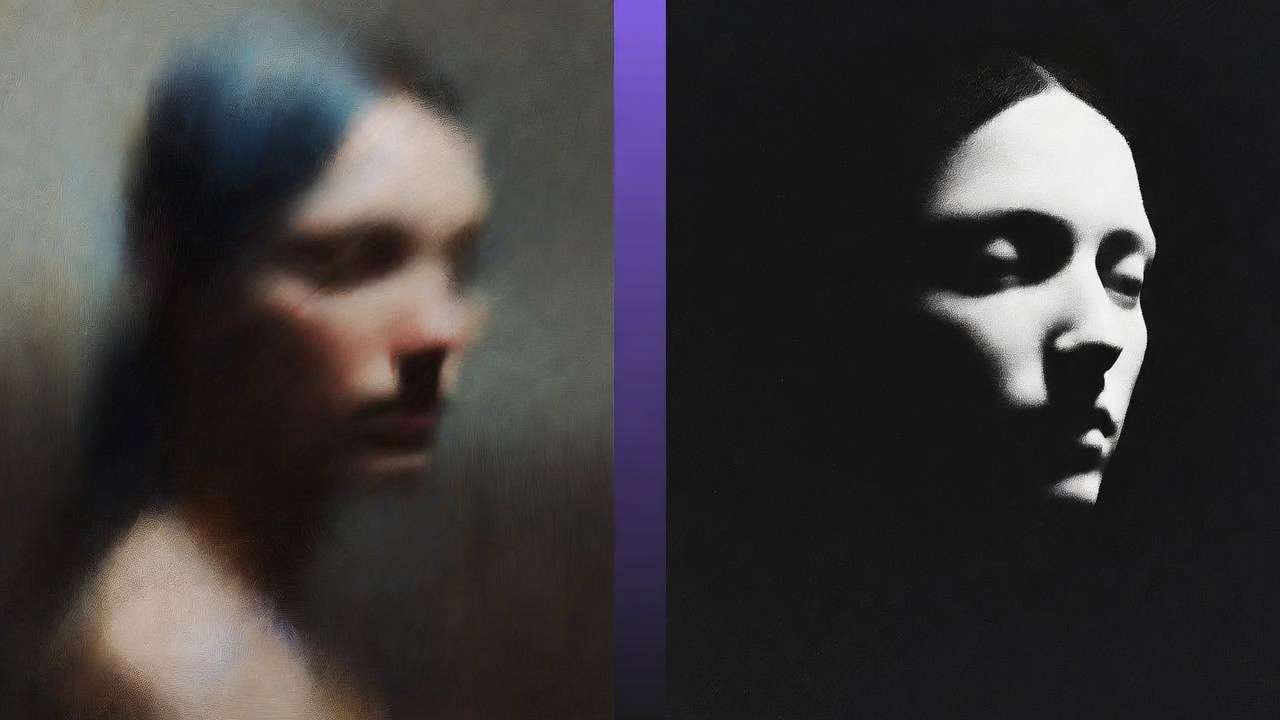
Practical Workflow Steps
In single-model: Browse Discord gallery → Craft prompt → Generate/upscale → Export. Constraints appear in multi-modal needs-no native Kling video.
Multi-model: Index models (/models) → Read specs/use cases → Launch (e.g., app.cliprise.app) → Adjust seed/aspect → Generate. Why foundational? Reduces context-switching; one interface handles Veo 3.1 Fast to Hailuo 02.
Examples abound. A product mockup starts with Imagen 4 Standard for realism, extends via Luma Modify-unfeasible in Midjourney alone. Social assets use Flux Kontext Pro for context-aware edits. When using Cliprise's workflow, creators view 26 landing pages, selecting by category for targeted results.
This architecture shift-specialization to aggregation-reflects API democratization. Single platforms optimize depth; multi emphasize breadth, with unified systems like those in Cliprise streamlining access to Midjourney alternatives alongside competitors.
What Most Creators Get Wrong About Model Variety
Creators often assume one model, like Midjourney, handles all image needs universally, overlooking gaps in video extensions or editing. This stems from early adoption bias, where initial successes in stylization mask weaknesses. In practice, image specialists lag in motion-heavy tasks; a Midjourney surreal portrait extends poorly to 5s clips without artifacts, as Kling Turbo or Sora 2 provide native dynamics. Platforms like Cliprise expose this by listing VideoGen models separately, prompting switches that preserve quality.
Misconception 1: Universal Excellence
The belief that Midjourney excels across styles ignores training data variances. Photoreal product shots favor Imagen 4 Ultra's detail, while abstract art suits Midjourney. For detailed comparisons, see our DALL-E 3 vs Midjourney analysis and Midjourney vs Google Imagen 4 style comparison. Freelancers report stagnant portfolios from over-reliance, as familiarity breeds repetitive outputs. Nuance: seeds enable reproducibility in both, but CFG scales differ-Midjourney's defaults yield softer edges than Flux Pro. A logo designer iterates Midjourney → Qwen Edit for crispness, cutting revisions by testing variants.
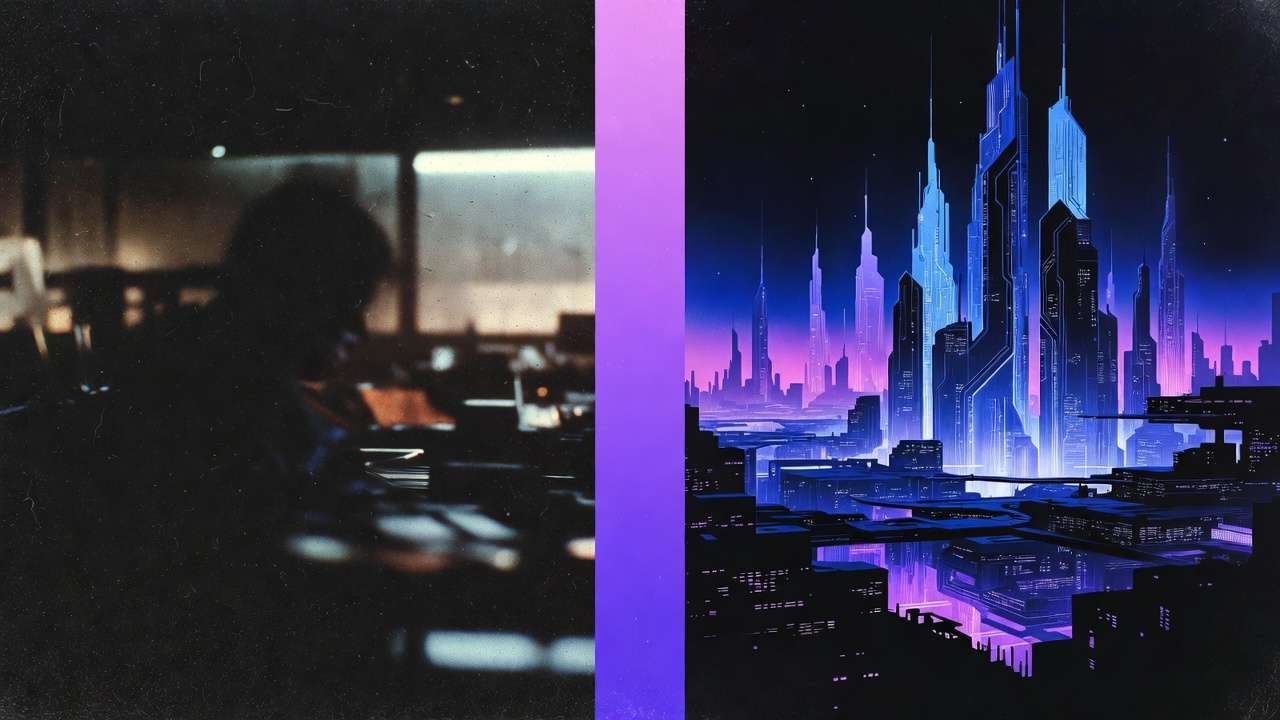
Misconception 2: Familiarity Over Exploration
Sticking to known tools leads to style fatigue, observed in creator feeds dominated by Midjourney aesthetics. Multi-model scouting reveals alternatives; e.g., Ideogram V3 for precise typography. For comprehensive prompting strategies, see our cross-model prompt engineering. Beginners miss this, tutorials focusing on one engine. Experts in environments like Cliprise browse indexes first, matching use cases-Nano Banana for speed, Seedream 4.5 for complexity. Scenario: Social media kits stagnate without Wan 2.5's animation options.
Misconception 3: Aggregation Adds Overhead
Many view multi-model as complex, yet unified interfaces reduce switching costs. Copy-pasting prompts across tabs wastes time; platforms integrating Midjourney with ElevenLabs TTS streamline audio-visual sync. Hidden nuance: prompt portability requires minor tweaks for model quirks, but saves regenerations. Agencies chain Runway Aleph edits post-generation, avoiding tool hops.
Misconception 4: Seamless Portability
Prompts transfer imperfectly-negative prompts work in Veo but vary in Hailuo. Noticeable quality drops can occur without adjustments, based on creator experiences. In Cliprise-like setups, model specs guide adaptations, boosting success. Real scenario: Ad campaign prompt for vertical ratios (9:16) fails in fixed-aspect tools but succeeds across 20+ engines in aggregators.
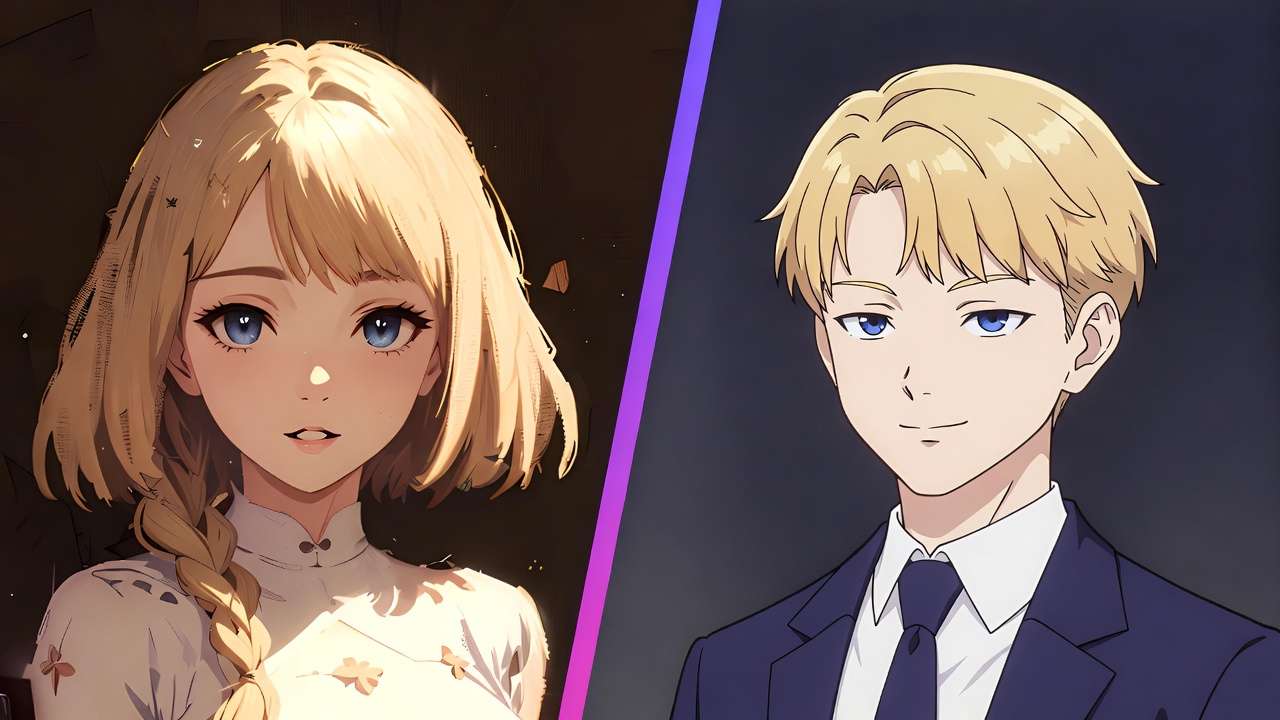
Experts know variety mitigates single-point failures; beginners chase universality. When using tools such as Cliprise, model organization clarifies these, turning misconceptions into strategic choices.
Real-World Comparisons and Contrasts
Freelancers prioritize quick iterations, switching models for client proofs-Midjourney for drafts, Flux for finals. Agencies seek batch consistency, distributing across Imagen and Kling for campaigns. Solos focus cost-efficiency, testing low-credit engines first.
Use case 1: Social media assets. Midjourney stylizes surreal posts consistently; multi-model adds speed variants via Veo 3.1 Fast, reducing motion tweaks. For video workflows, see our choosing the right video model guide.
Use case 2: Product mockups. Flux precision for edges vs. Imagen realism; aggregators chain to Recraft BG removal.
Use case 3: Ad campaigns. Video chaining with Kling/Wan after image bases; single-model limits to statics.
Patterns: Multi-model adoption rises among mixed-media producers.
| Scenario | Single-Model (e.g., Midjourney) Approach | Multi-Model Platform Approach | Observed Outcome Differences |
|---|---|---|---|
| Static Image Stylization (e.g., surreal art) | Discord workflows with upscale in 1-2 steps; seed support for variants | Switch Flux Pro for text edges, Imagen 4 for lighting; seed across engines | Adaptability via multiple model tests; suits A/B for client styles |
| Video Generation Pipeline (5-10s clips) | Image-to-video extensions with basic motion | Native models like Sora 2 Standard, Kling 2.5 Turbo; duration options 5s/10s | Fewer motion artifacts in dynamic scenes; direct chaining |
| Editing Workflows (BG removal + upscale) | Inpainting limited to images | Recraft Remove BG + Topaz to 8K; Qwen Edit integration | Single interface for full pipeline vs. multiple apps |
| Batch Production (50+ assets) | Style-locked queues; seed batches | Parallel across Midjourney, Flux, Seedream; unified seeds | Time savings in distribution; varied outputs per engine |
| Audio-Visual Sync (TTS + video) | No built-in audio | ElevenLabs TTS + Veo/Hailuo; lip-sync via prompts | Native integration achieves improved sync rates compared to external edits |
| Custom Aspect Ratios (vertical ads) | Community-standard ratios | Model-specific like Wan Animate 9:16; 20+ engines | Broader format support without crops |
As the table illustrates, multi-model approaches handle format shifts better, with surprising insights: batch rows show parallel testing cuts waits, audio sync highlights gaps in single tools. Platforms like Cliprise enable this via model launches.
Elaborating use cases: Freelancers in Cliprise workflows gen Midjourney bases, upscale Grok 360p→720p. Agencies batch Kling Master for high-end ads. Solos test Hailuo 02 for quick Reels.
Why Order and Sequencing Matter in Multi-Model Workflows
Starting prompts without model scouting wastes iterations-creators often regenerate multiple times when mismatched, e.g., video prompt on image-only engine. Why? Engines specialize: Runway Gen4 Turbo for motion prototypes first.
Mental overhead drops noticeably in unified interfaces like Cliprise; no logins between Flux and Luma. Context-switching costs accumulate: export-import adds minutes per step.
Image-first suits static-heavy: Flux → Ideogram → Kling extension. Video-first for motion: Sora 2 → Topaz upscale. Patterns: Index browsing boosts success rates noticeably; beginners by category, experts by controls.
When using Cliprise, sequence model index → specs → launch. Examples: Logo image-first to video; photoreal video-first to stills.
When Multi-Model Approaches Don't Help
Hyper-specialized styles favor Midjourney's tuned aesthetics-niche art communities prefer Discord feedback loops over switches.

Low-volume hobbyists find variety overkill; single-model onboarding suffices for occasional renders.
Brand consistency mandates align with single-engine data; multi introduces variances despite seeds.
Discord purists avoid integration friction; queue variability affects timing.
Limitations: Seed inconsistencies across engines; some lack full controls.
Unsolved: Exact output prediction remains variable.
Platforms like Cliprise suit pipelines, not niches.
Industry Patterns and Future Directions
Adoption trends show aggregators with 47+ models gaining, driven by Veo/Sora integrations; creator growth in multi-modal reported.
Changes: API access expands, unified credits standardize.
In 6-12 months: White-label enterprises, deeper chaining.
Prepare via prompt adaptation, model scouting.
Cliprise patterns reflect this shift.
Related Articles
- Cliprise vs Midjourney Complete Comparison
- Multiple AI Models One Platform: Why It Matters
- Multi-Model AI Workflows
- Best Image Generators on Cliprise Complete Guide
Conclusion
Multi-model platforms address single-model gaps through variety, enabling pipelines. Key: Sequence matters, misconceptions hinder.
Next: Scout indexes, test chains.
Cliprise exemplifies, with 47+ models fostering evolution.