Part of the multi-model strategy series. For the comprehensive comparison, see Single vs Multi-Model Platforms: Complete Guide. For the broader context on why creators are switching, read Multi-Model AI Platforms: Why Creators Are Ditching Single-Tool Subscriptions.
Content creators generate text-to-video clips using one specialized tool, only to discover motion realism limitations. Switching to alternative models requires new accounts, different credit systems, and workflow fragmentation. This reveals AI media generation's core tension: specialized depth in proprietary engines versus strategic breadth across aggregated platforms.
The landscape splits distinctly. Single-model tools refine proprietary engines, focusing resources on one core technology. Multi-model platforms aggregate dozens of third-party engines, unifying access through standardized interfaces. Each approach optimizes for different creative requirements and production workflows.
This ai video generation platform analysis compares characteristics, pricing structures, control systems, and practical limitations to guide platform selection based on actual project demands-from isolated creative tasks through integrated production pipelines.
Single-Model Tools: Depth and Specialization
Single-model tools channel development resources into one AI engine or model family, fostering precision in targeted output types. Midjourney, for example, hones diffusion-based image generation through Discord or API interfaces, excelling specifically at prompt adherence, style transfer consistency, and high-resolution rendering quality.

Video specialists like proprietary Sora interfaces limit scope intentionally to motion synthesis excellence, explicitly excluding image editing capabilities or voiceover integration. Interface design tailors to specific model requirements-Midjourney's parameter controls optimize for aspect ratios and stylization depth but lack video extension features entirely.
Workflow Characteristics
Pivoting to complementary creative tasks demands exports, new logins, and format conversions-introducing workflow friction and potential quality degradation during transfers. A video project might bill separately across generation (Sora), editing (Runway), and audio (ElevenLabs) providers.
Pricing follows provider-specific models: per-generation fees, tiered subscriptions, or API credits scaled to computational requirements. Costs accumulate across specialized tools rather than pooling in unified systems.
Updates remain domain-specific-Midjourney's character consistency improvements don't influence video motion capabilities fundamentally. Innovation focuses vertically within model capabilities rather than horizontally across creative categories.
Strategic Advantages
These tools thrive in repetitive specialized scenarios. Brand designers leverage Midjourney's community ecosystem for iterative image refinements within consistent stylistic parameters. Video production teams standardize on single engines for pipeline consistency and predictable output characteristics.
APIs enable programmatic access for automation and integration, though managing multiple authentication keys and rate limit systems across tools adds operational complexity significantly.
Clear Limitations
Inherent model biases (stiff character animation in earlier video tools, for example) can't be circumvented through tool switching. No built-in alternatives exist when outputs miss requirements. Multifaceted workflows suffer-campaigns requiring images, video sequences, and editing demand orchestration across separate tools, often requiring technical teams or agency coordination.
Scalability relies on enterprise plan investments. Community features like Midjourney's Discord foster collaboration within tool ecosystems but don't enable cross-model testing or capability comparison.
Multi-Model Platforms: Breadth and Flexibility
Multi-model platforms unify access to 40+ specialized engines across creative categories, streamlining discovery, experimentation, and production execution within single environments.
Organization by capability category: VideoGen options (Veo 3 variants, Sora 2, Kling series, Wan models, Hailuo engines, Runway Gen4 Turbo, ByteDance Omni Human), ImageGen selections (Flux 2 variants, Midjourney, Google Imagen 4 series, Seedream iterations, specialized tools), VideoEdit capabilities (Runway Aleph, Luma Modify, Topaz upscaling), ImageEdit tools (Qwen Edit, Ideogram variants, Recraft background removal), Voice synthesis (ElevenLabs complete suite).
Unified Infrastructure Benefits
Users navigate consolidated model indexes displaying specifications, use case recommendations, and direct launch capabilities. Unified credit systems meter usage proportionally-lighter computational models consume fewer credits, intensive processing requires more-creating flexible budget allocation across diverse creative requirements.
Plan structures (Starter/Pro/Business/Enterprise with monthly or yearly billing) include one-time credit top-ups for surge capacity. Free tiers reset daily credits with generation caps (typically one video per day), providing experimentation access while limiting production volume.
Platform Integration
Deployment spans iOS/Android applications, web Progressive Web Apps, and emerging desktop implementations. Control systems standardize across models: text prompts, aspect ratios, duration selections, seed values for reproducibility where supported, negative prompt filtering, CFG scale adjustments.
Advanced features like multi-image references and style transfer implement where specific models support capabilities. Community tools include content feeds, creator profiles, download management, and reporting systems integrated natively.
Workflow Enhancement Ecosystem
Complementary tools complete production pipelines: AI background removal, universal upscaling (to 8K resolutions), logo generation, professional image editing (layers, masking, filters), prompt enhancement systems, workflow automation through integration platforms.
This infrastructure facilitates complete end-to-end production within unified credit tracking: generate base content with Kling, edit via Luma, add voice through ElevenLabs, upscale with Topaz-all managed through single dashboard.
Comparison: Model Variety and Access
Variety defines the fundamental divide. Single-model tools lock users into specific engines: Midjourney excels at stylistic images but provides zero video generation. Outputs remain strictly domain-specific, offering strong prompt fidelity within narrow capabilities but no alternatives mid-workflow when results miss targets.
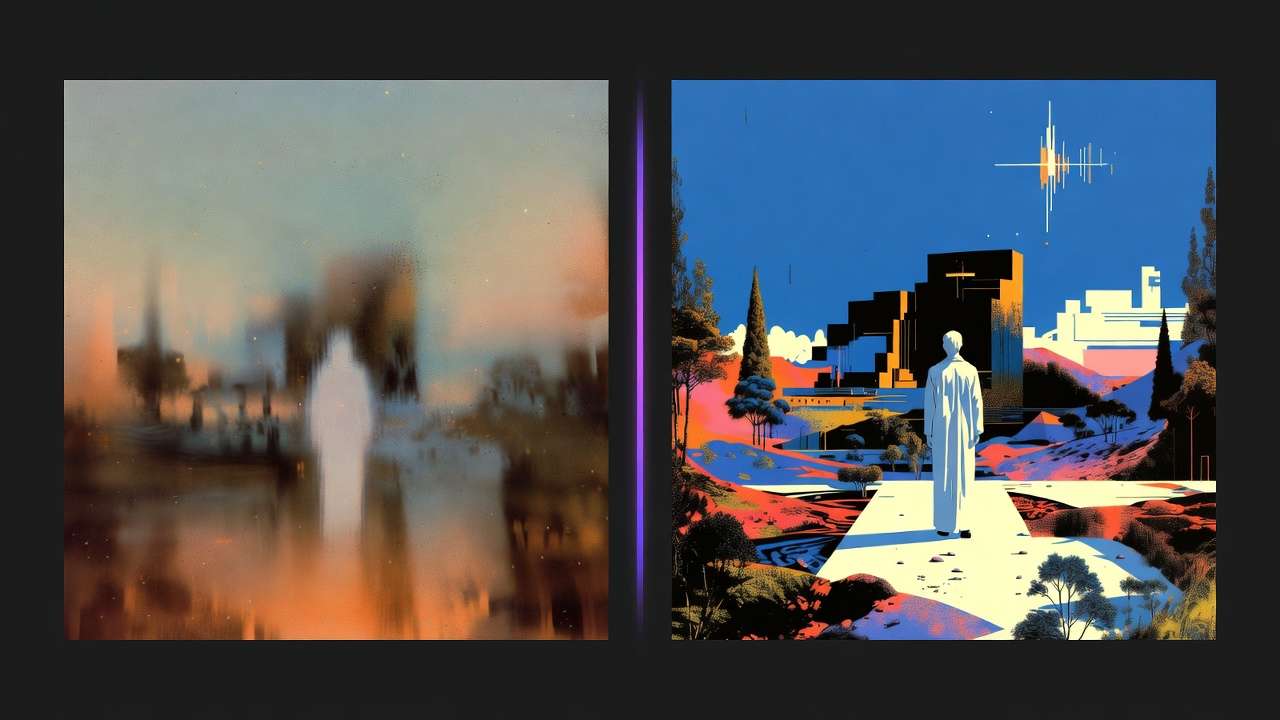
multi-model workflow strategies enable real-time model switching based on live availability status. Users compare Veo 3.1 against Sora 2 or Hailuo 02 for video realism requirements. Test Flux 2 versus Midjourney for image stylistic needs. Evaluate Runway Aleph against Luma for editing precision-all within unified environments.
Workflow Integration
Chaining flows naturally: Flux image generation → Kling video animation → Topaz upscaling, eliminating manual file transfers and format conversions between disconnected tools.
Repeatability depends on seed support-reliable for models like Veo 3 and Sora 2, variable elsewhere due to inherent stochastic elements and training data characteristics. Processing times fluctuate based on queue loads and model computational requirements.
Side-by-side testing capabilities shine: prompts yielding weak results in one model redirect instantly to alternatives without workflow reconstruction. Single-model approaches demand complete recreation, amplifying compounding errors and time costs.
This flexibility suits rapid prototyping fundamentally. Developers script model rotation sequences via API access (enterprise tier typically). Creators iterate prompt variations across model categories without authentication silos or billing fragmentation.
Trade-off consideration: Aggregated platforms depend on third-party model uptime and provider relationships, while single-model tools offer direct control from originating sources.
Comparison: Pricing and Budget Efficiency
Billing structures contrast sharply in practical implications. Single-model tools charge per provider independently: Midjourney subscriptions for image work, Runway per-minute pricing for video processing, fragmenting creative budgets across unrelated billing systems. Total costs escalate with task diversity-no cross-subsidization between specialized capabilities.
Multi-model unified credit systems pool spending flexibly. Allocations by subscription plan reset monthly or yearly (daily for free tiers), with variable consumption rates reflecting computational requirements-rapid draft models cost less, premium quality engines consume more. Credit top-ups bridge capacity gaps strategically. Queue prioritization favors higher subscription tiers during peak demand.
Efficiency Patterns
Budget allocation efficiency emerges through strategic testing: prototype with lower-credit models like Seedream variants before committing to premium Flux 2 generations. Chain operations without rebilling between specialized providers-image to video to editing within unified tracking.
Forecasting simplifies dramatically-single dashboards track cumulative spending across image/video/editing/voice capabilities rather than reconciling multiple provider invoices. Single-model silos hinder this consolidation; projects spanning multiple creative domains multiply subscription requirements geometrically.
Enterprise scaling enables white-label customization in multi-model platforms, but foundational advantages rest on predictable unified metering regardless of tier.
Comparison: Editing and Enhancement Tools
Editing capabilities expose significant platform differences. Single-model tools bundle basic adjustments-Midjourney variation generation, Runway frame interpolation-but lack comprehensive post-production suites. Extensive editing requires external tool routing, fragmenting workflows and adding transfer latency.
Multi-model platforms stack dedicated enhancement engines systematically. VideoEdit leverages Runway Aleph for advanced motion control, Luma Modify for object-specific tracking, Topaz Video Upscaler for AI-driven quality enhancement. ImageEdit provides Qwen Edit inpainting, Ideogram refinement variants, Recraft background processing. Voice integration spans ElevenLabs TTS, sound effects, speech-to-text, and audio isolation.
Professional editing interfaces add layer management, masking systems, filter applications. Companion tools (background removal, resolution upscaling to 8K, logo generation) complete integrated pipelines without tool switching.
Credits cover all operations uniformly, enabling sequences: Sora 2 video generation → Luma targeted editing → ElevenLabs voice layering → Topaz final upscaling. Single-model approaches force patchwork assembly across providers; multi-model platforms internalize complete workflows, cutting production latency measurably.
Strategic Selection Framework
Choose Single-Model Tools When:
- Pursuing specialized depth in one creative domain exclusively
- Established workflows optimize around specific model characteristics
- Brand identity requires consistent output from proven engines
- Team expertise concentrates in particular tool ecosystems
- Production volume doesn't demand cross-category flexibility
Choose Multi-Model Platforms When:
- Projects span images, video, editing, and voice requirements
- Experimentation and model comparison drive creative decisions
- Budget consolidation and unified tracking simplify operations
- Rapid prototyping across capabilities accelerates iteration
- AI Video Ads for Facebook & Instagram: Complete Performance Guide delivers production efficiency
Hybrid Approach Reality: Many professional creators maintain single-model depth tools for specialized excellence while leveraging multi-model platforms for integrated production workflows and capability exploration.
Practical Decision Factors
Evaluate systematically: Creative requirements breadth (narrow focus versus diverse needs), Team structure (specialists versus generalists), Budget complexity tolerance (multiple bills versus unified tracking), Iteration velocity needs (locked workflows versus experimental flexibility), Production scale (consistent volume versus variable demands).

Professional production ultimately benefits from understanding both paradigms. Master single-model depth where specialization delivers measurable advantages. Leverage multi-model breadth where strategic tool selection and workflow integration create competitive differentiation.
Related Articles
- Single Model Platform Limits
- Single to Multi-Model Transition
- Multi-Model Scaling Strategy
- where AI workflows break down
The choice isn't binary-it's strategic alignment between creative requirements, operational preferences, and production economics that determines optimal platform combinations for sustainable scaling.