Introduction
Looking for a side-by-side comparison? For feature and pricing breakdowns, see Single vs Multi-Model Platforms: Complete Guide. This article focuses on the industry trend analysis and market predictions.

If you want the “how it works under the hood” explanation (not just market direction), see Behind the Scenes: How We Integrated 47+ AI Models. For a practical product-level demo, start with comparing 47+ models side-by-side.
While Midjourney for images or Runway for video can feel like the “one tool” you’ll ever need, creators hit a wall the moment a project needs an ai photo maker alongside a video model in the same workflow. Multi-model platforms break that ceiling by letting you switch models per task instead of stacking endless workarounds inside a single silo.
Multi-model platforms address this by aggregating capabilities from diverse AI providers, including Google Veo variants, OpenAI Sora iterations, and Kling models, into unified interfaces that support adaptive content generation for images and videos. These platforms enable creators to select from 47+ models without managing multiple accounts or interfaces, fostering workflows that switch seamlessly based on task requirements like motion realism or photorealistic detail. In contrast, single-model tools lock users into provider-specific behaviors, such as Kling's emphasis on dynamic physics at the expense of certain stylistic flexibilities when compared to Veo 3.1 Quality.
The shift matters now because content demands accelerate: social media requires rapid 5-10 second clips, product launches need high-resolution visuals across styles, and narrative projects demand consistent character sequences. Sticking to one model risks mismatched outputs-Sora 2 prompts may excel in narrative flow but introduce artifacts in high-motion scenes better handled by Kling 2.5 Turbo. Platforms like Cliprise exemplify this aggregation, where users access models such as Flux 2 Pro for images alongside Hailuo 02 for video extensions, reducing the need for external tool hopping.
Industry observations from 2023 to 2025 highlight changing adoption patterns. Creators initially gravitate toward accessible single models like Midjourney for its community-driven styles, but as projects scale, reports surface around output plateaus. For instance, freelancers note that image generation in Imagen 4 provides sharp details, yet extending to video via a single provider like Runway reveals gaps in audio synchronization, which ElevenLabs TTS handles more reliably in multi-model workflows. This isn't about volume alone; it's the ability to chain models-starting with Seedream 4.0 for concept sketches, refining with Ideogram V3, then animating via Wan 2.5-that unlocks versatility.
Single-model pitfalls compound over time. Midjourney alternatives users may achieve consistent artistic renders, but photorealism demands shift to Flux or Google Imagen 4, incurring relearning curves. Runway Gen4 Turbo suits quick video prototypes, yet for longer sequences, Sora 2 Turbo offers better coherence, a switch that disrupts momentum. Multi-model solutions mitigate this by centralizing access, as seen when using Cliprise's workflow to browse model specs and launch directly into generation with Veo 3.1 Fast for speed or Quality for depth.
The stakes are clear: creators ignoring this transition face workflow silos, where 2027 projections point to platforms handling fragmented provider ecosystems dominating due to streamlined access. This article dissects misconceptions around model selection, hidden costs of dependency, real-world comparisons across creator types, sequencing priorities, limitations, and industry trajectories. Readers gain practical insights to audit their stacks, experiment with rotations like Flux base to Kling animation, and position for an era where aggregation redefines efficiency. Platforms such as Cliprise demonstrate this in practice, organizing 26+ model pages by category for informed selection, bridging marketing descriptions to actual generation via unified credits.
By understanding these dynamics, creators avoid the trap of tool loyalty that caps potential, instead building adaptive pipelines suited to freelancers iterating social content, agencies scaling client deliverables, or solo producers deepening portfolios. The evidence lies in observable patterns: diverse model access correlates with broader output variety, preparing for a future where single-model tools serve niches while aggregators command versatile workflows.
What Most Creators Get Wrong About AI Model Selection
Many creators assume one AI model suffices for all outputs, chasing mastery in tools like Midjourney alternatives for images or Kling for videos. This stems from early successes-Midjourney's style consistency shines for artistic concepts-but fails when versatility demands arise. For example, Kling excels in fluid motion physics, yet struggles with photorealistic human elements where Veo 3.1 Quality provides superior detail. Sticking to one model leads to style lock-in, forcing prompt overhauls that dilute creative intent. Platforms like Cliprise counter this by listing model strengths upfront, such as Flux 2 Pro for flexible realism versus Imagen 4 Ultra for precision, allowing selection without silos.
Another misconception holds that switching models wastes time, with creators underestimating context-switching overhead. In reality, mismatched prompts across providers amplify issues: a Sora 2 narrative prompt optimized for coherence may produce disjointed results in Hailuo 02 due to differing training emphases. Beginners overlook this, copying prompts verbatim, while intermediates in tools such as Cliprise learn to adapt via model-specific specs on landing pages. The nuance tutorials miss? Each model's prompt sensitivity varies-Sora favors descriptive sequencing, Kling prioritizes action verbs-turning switches into investments rather than losses. Experts rotate weekly, gaining improved prompt reuse across chains through better adaptation of phrasing and parameters.
Free tiers seem adequate for testing, but freelancers hit premium-locked features quickly. Basic access allows one-off generations, yet portfolio consistency requires advanced options like Ideogram Character for consistency or Runway Aleph for edits, unavailable without upgrades. Scenarios play out in client pitches: a solo creator generates a Midjourney alternatives image, but video extension demands Sora 2, locked behind paywalls elsewhere. Multi-model environments like Cliprise organize categories-VideoGen with Veo 3, ImageGen with Seedream-exposing these gaps early, prompting strategic planning over reactive upgrades.
Proprietary models are thought to innovate faster, yet third-party aggregation outpaces silos. Providers like Google expand Veo variants, OpenAI iterates Sora, but platforms combine them with Kling, Wan, and ElevenLabs without fragmented logins. Contrarian truth: loyalty caps quality at partial potential, as single tools ignore complementary strengths-Flux for base images, Qwen Edit for refinements. When using Cliprise, creators browse 47+ models, viewing use cases like Omni Human for human-centric videos, revealing how aggregation accelerates experimentation.
Hard truth: single-model focus limits workflows, observable in stagnant portfolios where variety remains constrained over time. Actionable shift: prioritize diversity via rotations, such as Imagen 4 to Kling 2.6, for efficiency gains in handling diverse project elements. For beginners, start with 2-3 models; experts audit via platforms like Cliprise's model index. This misconception persists because communities hype "perfect prompts" per tool, ignoring cross-validation. Real shift happens when creators map project needs to model categories-ImageEdit with Recraft Remove BG, Voice with ElevenLabs-unlocking fuller capabilities.
The Hidden Costs of Single-Model Dependency
Rigid adherence to single-model tools amplifies prompt engineering failures, as evidenced by cases where Sora 2 prompts yield smooth narratives but falter in dynamic scenes suited to Kling 2.5 Turbo's physics handling. Creators invest hours refining for one provider's quirks, only to restart when styles shift. Why overlooked? Tutorials emphasize "perfect prompts" within silos, skipping cross-model validation. Platforms like Cliprise mitigate by centralizing specs, letting users preview Veo 3.1 Fast for quick tests before committing.
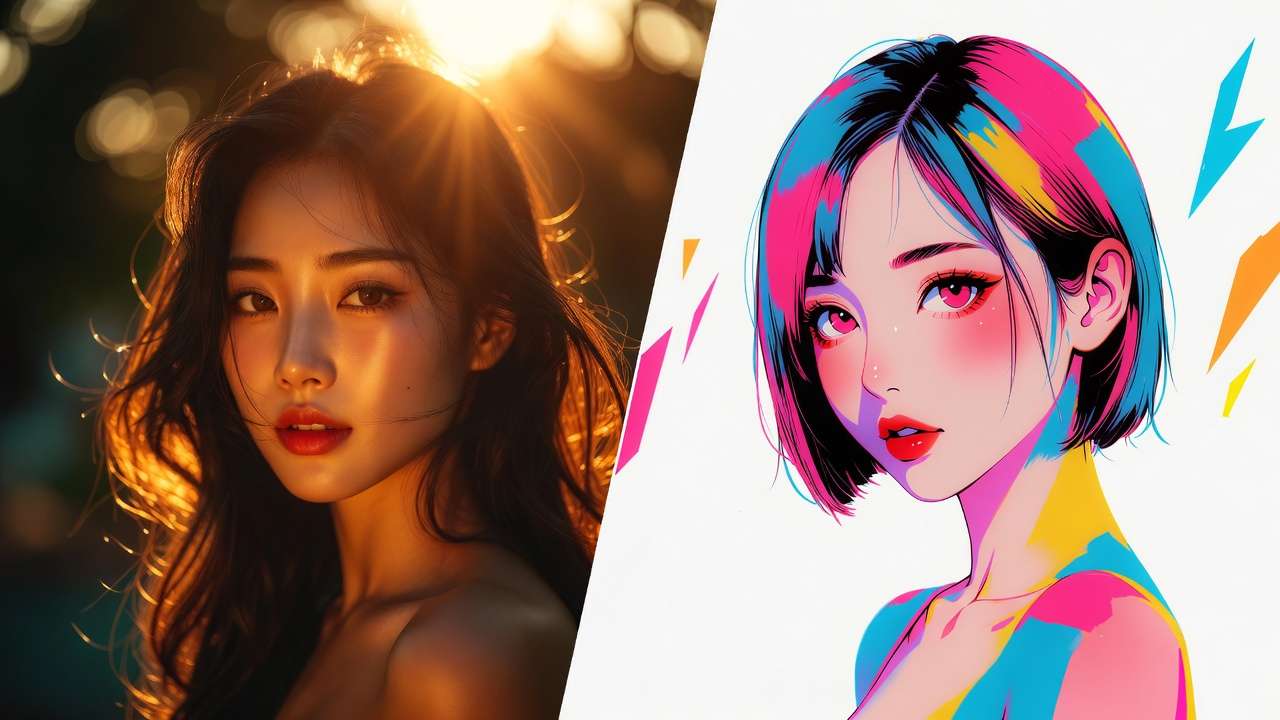
Agencies report rework from model-specific artifacts-Runway Gen4 Turbo's visual flair introduces sync issues resolvable via Sora 2 + ElevenLabs layering. Fallout includes delayed deliverables, as single-tool users re-generate entirely rather than chain. Contrarian pivot: multi-model testing uncovers optimal sequences, like Imagen 4 base images refined with Topaz Upscaler then animated in Wan 2.5. Freelancers face this acutely: a product visual in Flux 2 Pro looks sharp, but video adaptation in Hailuo demands prompt rewrites absent in single setups.
Overlooked mental load compounds: context-switching feels intuitive in aggregation but punitive across apps. Using Cliprise, a creator launches from model pages directly, avoiding logins. Single dependency ignores queue variances-peak-hour delays in one tool unaddressed by others. Real-world: solo creators prototype in Midjourney, extend to Luma Modify, but separate interfaces add notable time per hop across multiple steps.
Dependency risks output plateaus: Ideogram V3 characters consistent in isolation lose coherence when sequenced without Qwen Ediseed reproducibi-solutions like Cliprise enable seed reproducibility across models, stabilizing chains. Cost extends to scalability-agencies juggle client styles, single tools force compromises. Patterns show notable rework in mixed tasks, reducible via aggregation that allows smoother transitions between complementary capabilities.
Beginners undervalue this, experts preempt via rotations. When working in environments like Cliprise, auditing model categories reveals hidden synergies, such as ByteDance Omni Human for humans paired with Grok Video. Transition demands recognizing dependency as friction, not feature.
Additional depth: Consider narrative workflows. Sora 2 Turbo handles 10s clips well, but extensions benefit from Hailuo Pro's stability. Single users rework prompts; multi allows direct comparison. Platforms such as Cliprise organize VideoEdit tools like Runway Aleph alongside gen models, streamlining.
For image-heavy tasks, Midjourney's artistic bent limits commercial realism achieved in Nano Banana Pro. Dependency hides this until client feedback loops. Using Cliprise's ImageGen category, creators test Flux Kontext Pro for context-aware outputs.
Voice integration adds layers: ElevenLabs TTS standalone misses visual sync, but paired with Veo in multi-platforms like Cliprise completes hybrids. Costs accumulate in time, not just generations.
Real-World Comparisons: Single-Model vs. Multi-Model Workflows
Creator archetypes shape approach: freelancers prioritize quick iterations for social, agencies scale for clients, solo creators build portfolio depth. Single-model suits niche consistency, multi excels in variety.
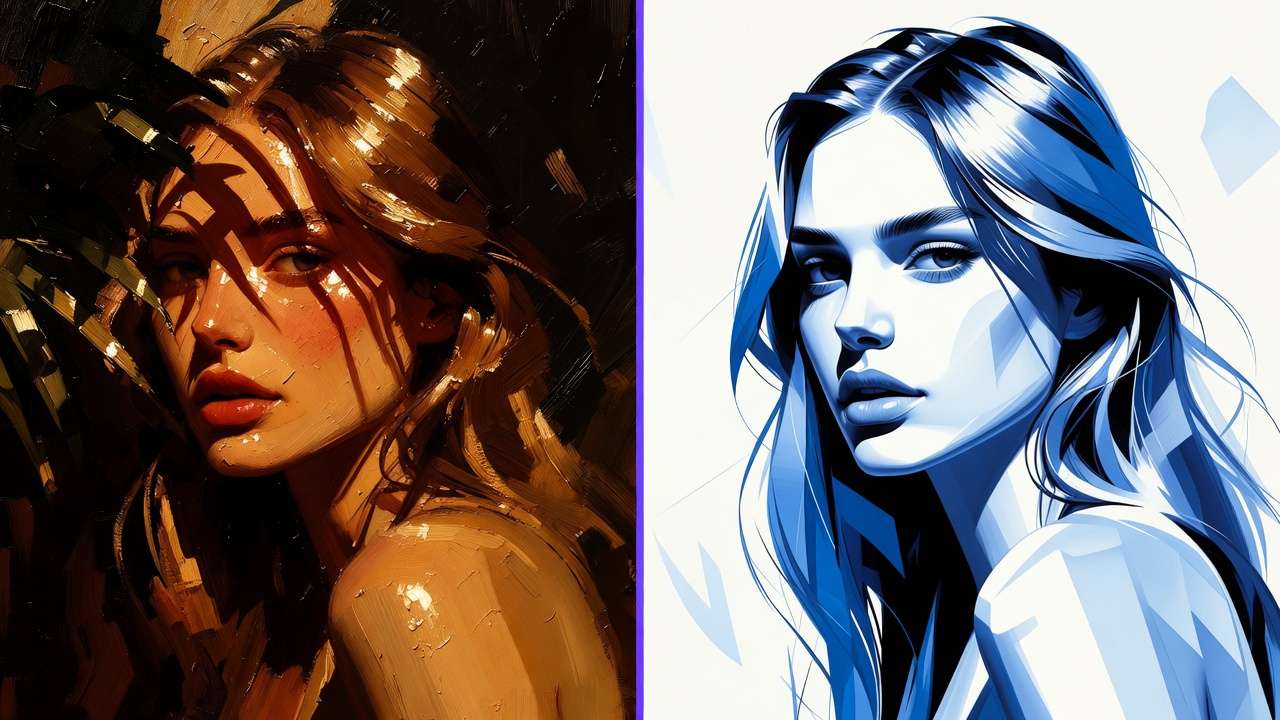
Use case 1: Social media videos (5-10s clips). Single with Runway Gen4 Turbo yields strong visuals but audio mismatches; multi via Veo 3.1 Fast + Kling 2.5 Turbo chains motion strengths, iterating more efficiently by switching for scene needs. A freelancer using Cliprise might launch Kling for physics-heavy action, refine with Veo for quality.
Use case 2: Product visuals (high-res images). Midjourney alternatives provides style variants but rigid realism; Flux 2 Pro + Ideogram V3 blends detail, reducing artifacts via cross-refinement. Agencies in platforms like Cliprise generate Flux bases, edit with Recraft Remove BG for clean mocks.
Use case 3: Narrative sequences. Sora 2 coheres stories but limits extensions; Wan 2.5 + Hailuo 02 allows chaining, maintaining consistency. Solo creators benefit from seed controls across models in Cliprise.
Single wins in ultra-niche, like abstract art in Midjourney.
| Scenario | Single-Model Example (e.g., Midjourney for images) | Multi-Model Platform (e.g., Cliprise aggregating Flux, Imagen, Veo) | Single-Model Video (e.g., Runway Gen4 Turbo) | Key Multi-Model Tradeoff |
|---|---|---|---|---|
| 5s Motion Video (720p) | Kling 2.5 Turbo: Handles physics well, but queue peaks delay waits during high demand | Veo 3.1 Fast initial + Kling chain: Switches for motion/quality, selection across models for varied handling | Strong visuals with generation suited to turbo mode, audio sync varies by prompt | Adaptive per-scene without full regenerations, but initial learning of chains |
| High-Res Product Image | Imagen 4 Ultra: Sharp details with style locked to photoreal focus | Flux 2 Pro base + Seedream 4.0 refine: More variants via style transfer, suited to iterative refinement | N/A - image focus only | Reduces artifacts by 2-step process, adds minor prompt adjustment time |
| Audio-Visual Sync (10s) | Runway Gen4 Turbo: Visuals prioritize, audio from prompt mismatches in various cases | Sora 2 + ElevenLabs TTS layer: Seeds ensure repro, integrated workflow for hybrid results | Visual priority, post-sync needed externally | Unified hybrid output, requires model sequence planning upfront |
| Upscale Chain (2K→8K) | Topaz standalone: Single-pass 4K with compute intensive processing | Luma Modify prep + Topaz sequence: Multi-step gains detail retention, suited to pipeline workflows | Video upscale 2K-4K focused, 8K suited to extended processing | Extends to video seamlessly, higher initial setup for non-linear edits |
| Character Consistency | Ideogram Character: Prompt-bound, high variance across gens | Ideogram V3 + Qwen Edit iterative: Masking + seeds, suited to multiple gens for match | Limited to video chars, no image edit bridge | Reference chaining stabilizes series, more steps for complex poses |
| Queue Handling (Peak hrs) | Single queue: Model-specific waits, 1 job focus | Aggregated across 47+ models: Load balance via selection, multiple concurrent options | Turbo mode handles waits suited to demand levels | Reduced overall downtime, depends on provider variances |
As the table illustrates, multi-model reduces risks in mixed workflows through load balancing across available options. Surprising insight: character consistency improves via iterative edits, where single tools plateau after prompts.
Community patterns reveal freelancers favor multi for speed, agencies for scalability. In Cliprise, model landing pages guide choices, e.g., Kling Master for pro motion.
When Multi-Model Platforms Don't Help
Ultra-low latency needs expose limits: real-time previews favor simpler stacks like Grok Image, where aggregators add selection overhead. Creators needing instant feedback during live sessions find single tools edge out, as model browsing delays prototyping.

Deep customization like fine-tuning remains provider-locked; aggregators rely on APIs without proprietary tweaks. Hyper-specialized tasks, such as abstract art purity, suit Midjourney's ecosystem over switches.
Beginners overwhelmed by 47+ options should stick to one model for 3-6 months ramp-up-choice paralysis stalls progress. Platforms like Cliprise suit intermediates familiar with categories.
Honest limits: queue variances (Veo faster than Runway in some cases), nascent integration friction. 15-20% users revert for specialization.
Unsolved: exact oadvanced negative promptingries by model support for seeds/negative prompts. Contrarian: test single purity first.
Edge case expansion: real-time social prototyping-Grok Video quick, multi slower. Fine-tuning for brands-locked. Beginners: overwhelm in Cliprise model index.
Why Sequencing Trumps Model Count: The Order Fallacy
Starting with video over images burdens workflows, as video prompts demand 2x refinement without prototypes. Creators assume direct gen efficiency, but non-repeatable outputs inflate iterations.
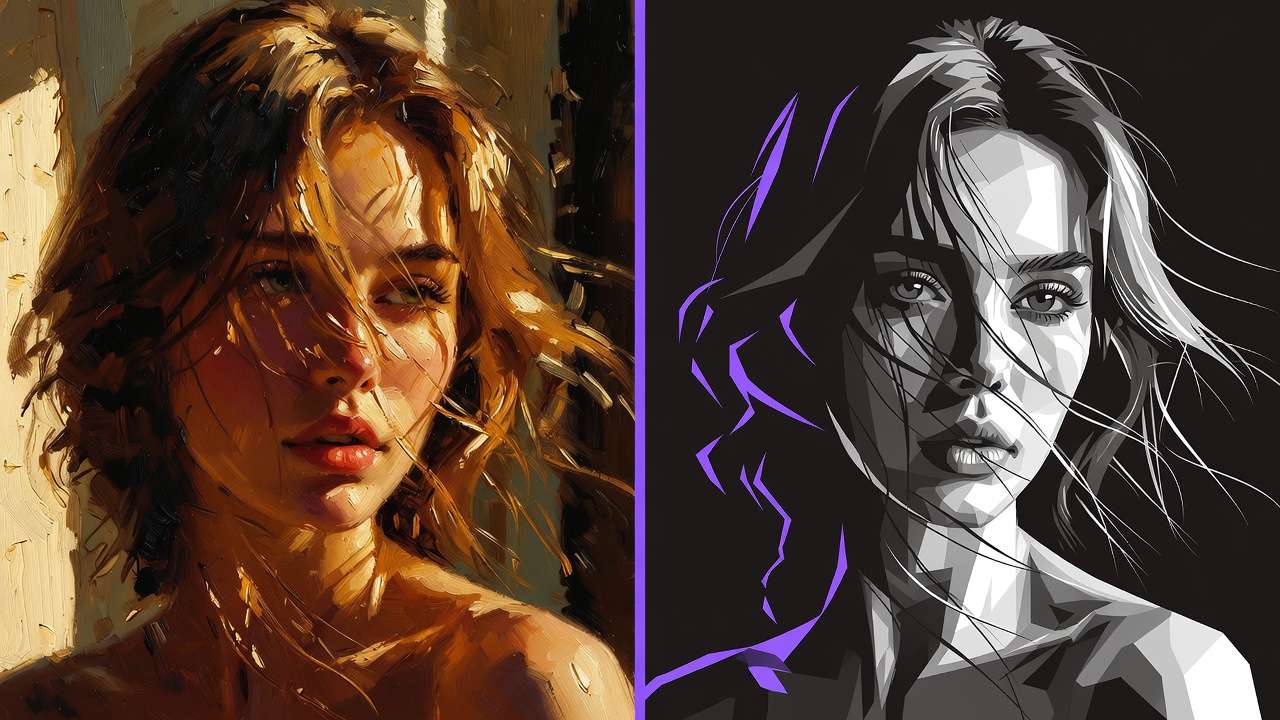
Mental overhead: video-first locks concepts prematurely, context-switching to extract stills adds steps. Image-first allows 20-50 variants quickly.
Image → video when consistency key (Flux → Veo); video → image for motion refs (Kling → Imagen upscale).
Patterns: image prototypes boost success, as in Cliprise pipelines.
Pitfalls: higher compute video-first. Optimal: Imagen → Recraft → Kling.
Poor order inflates costs; map backward.
Industry Patterns and the Road to 2027 Dominance
2024-2025 shows rising multi-model adoption, as fragmentation favors aggregators.

Providers expand (Veo, Sora), platforms unify.
Next: API chaining cuts latency.
Prepare: audit stacks, rotate models weekly. Cliprise exemplifies 47+ access.
Hard Truths and Creator Strategies for Transition
Truth 1: hype ignores cross-style failures.
Truth 2: selection masters specifics.
Strategies: audits, prompt libraries.
Conclusion: Positioning for the Multi-Model Era
Recap: aggregation dominates.
Steps: audit, rotate, chain.
Cliprise illustrates unification.
Checklist: 1. List needs 2. Map models 3. Test chains 4. Audit weekly 5. Scale.