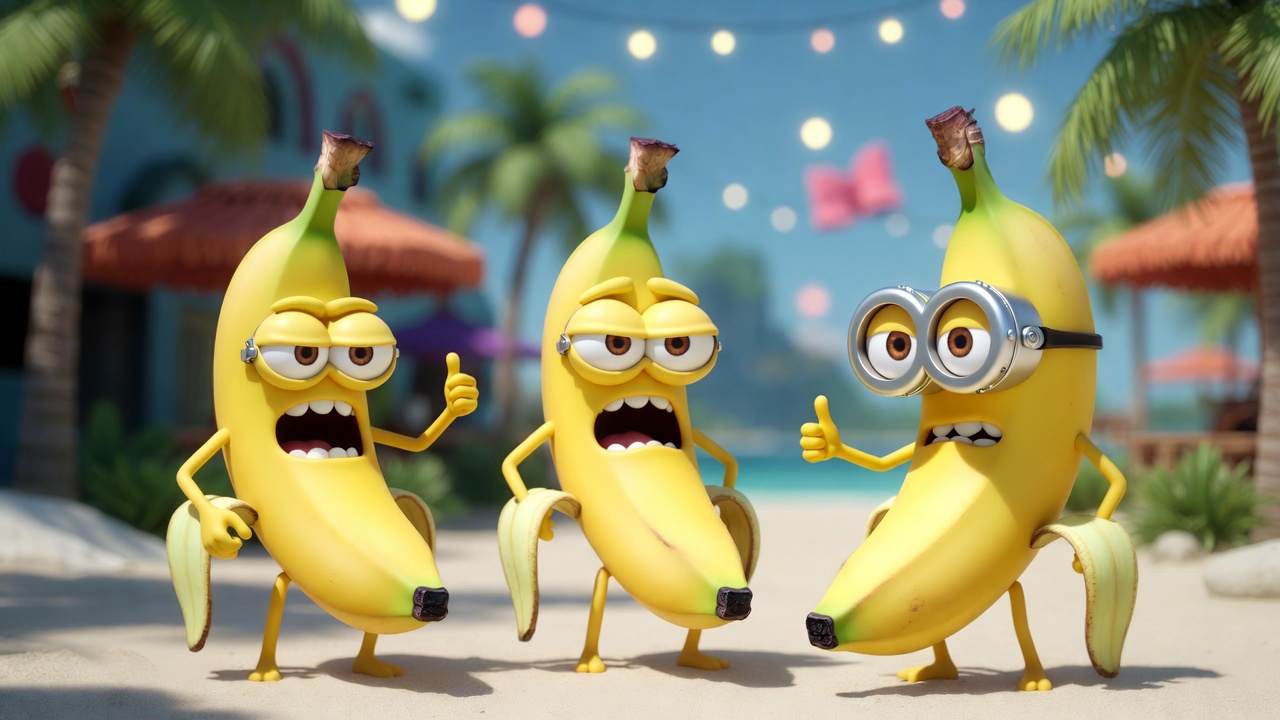
Google DeepMind launched Nano Banana 2 on February 26, 2026, and the positioning is clear: this is the model that closes the gap between Nano Banana Pro quality and Gemini Flash speed. Where Nano Banana Pro delivered studio-level creative control and precision text rendering at a slower pace, and the original Nano Banana prioritized speed over fidelity, Nano Banana 2-officially dubbed Gemini 3.1 Flash Image-delivers Pro-level capabilities at Flash generation times. For creators producing infographics, marketing mockups, greeting cards, and multi-panel storyboards, the model makes features that were previously reserved for high-tier subscriptions accessible at the speed tier. The launch follows the viral success of the original Nano Banana, which attracted 13 million first-time Gemini users in four days after its August 2025 debut and generated over 5 billion images by mid-October.
What's New in Nano Banana 2
Pro capabilities at Flash speed. The headline feature: Nano Banana 2 brings the advanced world knowledge, production-ready specs, and subject consistency of Nano Banana Pro to the Gemini Flash architecture. Rapid edits and iteration-previously the domain of the standard Nano Banana-now happen with Pro-level output. Google explicitly targets workflows that require both quality and throughput: infographics, localized signage, marketing collateral, and narrative sequences where character consistency matters.
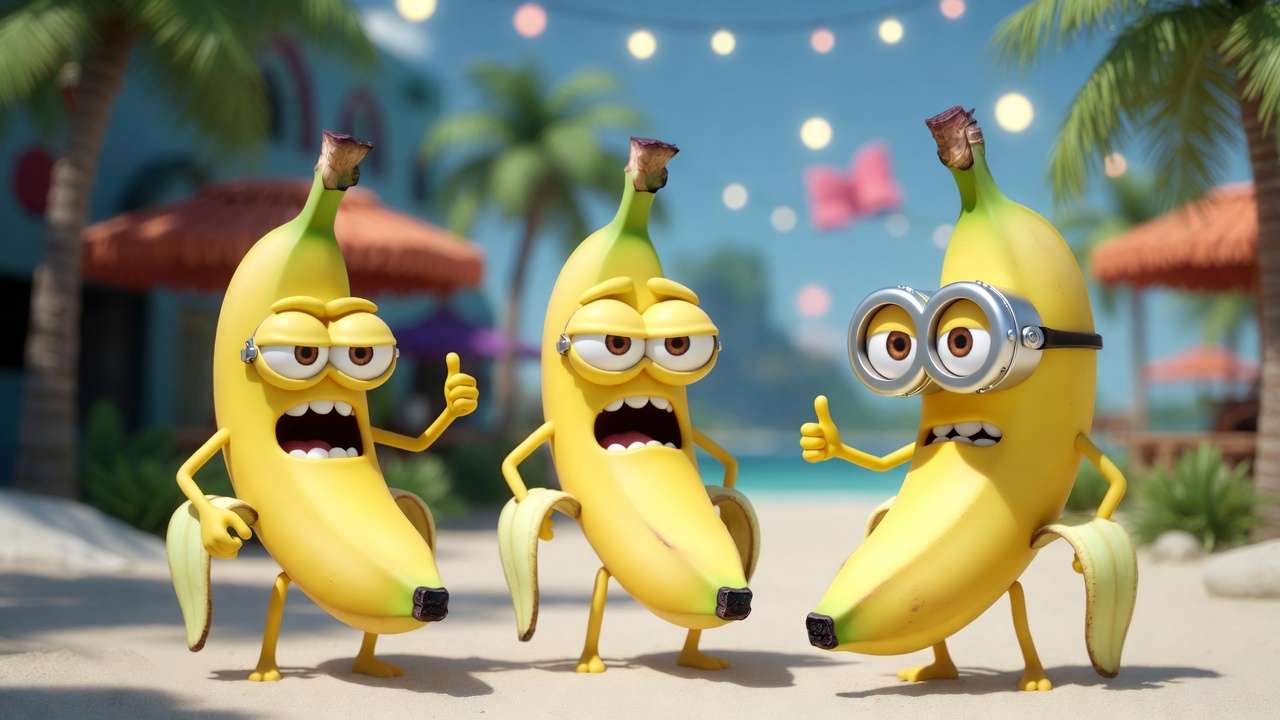
Precision text rendering and translation. Nano Banana 2 renders accurate, legible text within images-a capability that has historically been AI image generation's weakest link. Marketing mockups, greeting cards, product labels, and infographics can now be generated with integrated text rather than post-produced typography. The model also supports text translation and localization within images: create a sign in English, then prompt for Hindi localization in one generation. For brands producing global campaigns, this eliminates the manual translation-and-replace step that previously required design software.
Advanced world knowledge. The model pulls from Gemini's real-world knowledge base and is powered by real-time information and images from web search. When generating representations of specific subjects-landmarks, products, cultural references-Nano Banana 2 can ground generation in actual visual references rather than hallucinated approximations. Google's example: "Create an image of Museum Clos Lucé. In the style of bright colored Synthetic Cubism. Your plan is to first search for visual references, and generate after." The model performs the search step, then generates from grounded results. This matters for educational content, travel marketing, and any brief requiring factual accuracy in depicted subjects.
Subject consistency: 5 characters, 14 objects. Nano Banana 2 maintains character resemblance of up to 5 characters and the fidelity of up to 14 objects in a single workflow. For storyboarding, comics, branded narratives, and multi-panel content, this enables consistent visual identity across images without manual reference management. Creators can build six-panel story sequences with three fluffy friends building a treehouse-each character maintains attire and identity across all panels while expressions and angles vary. The improvement over earlier Nano Banana versions is substantial; the original supported limited consistency; Pro supported up to four reference images. Nano Banana 2 scales to 5 characters and 14 objects per workflow.
Production-ready specs: 512px to 4K. Resolution flexibility from thumbnail to widescreen. Aspect ratios span 16:9, 9:16, 21:9 ultrawide, and traditional camera ratios. Creators can generate at target delivery resolution-no upscaling required for social, presentation, or broadcast formats. The 4K widescreen option supports large-format display, YouTube hero images, and premium commercial delivery.
Enhanced instruction following. The model adheres more strictly to complex requests, capturing the specific nuances of prompts rather than approximating. "The image you get is the image you asked for" is Google's framing. For production workflows where prompt fidelity matters-product placement, lighting direction, composition rules-this reduces iteration cycles.
Visual fidelity upgrade. Vibrant lighting, richer textures, sharper details. Nano Banana 2 delivers high-quality aesthetics at the speed expected from Flash. The gap between Flash and Pro output quality has narrowed substantially; for many use cases, the difference is no longer meaningful.
Key Specifications
| Specification | Nano Banana 2 |
|---|---|
| Official name | Gemini 3.1 Flash Image |
| Launch date | February 26, 2026 |
| Speed tier | Gemini Flash (fast) |
| Quality tier | Pro-level |
| Resolution range | 512px to 4K widescreen |
| Aspect ratios | 16:9, 9:16, 21:9, camera ratios |
| Text in images | Precision rendering, translation, localization |
| Subject consistency | Up to 5 characters, 14 objects per workflow |
| World knowledge | Real-time web search, Gemini knowledge base |
| Provenance | SynthID, C2PA Content Credentials |
| Replaces | Nano Banana Pro (as default in Gemini) |
Google positions Nano Banana 2 as the default image model across Gemini's Fast, Thinking, and Pro tiers. Google AI Pro and Ultra subscribers retain access to Nano Banana Pro for specialized maximum-fidelity tasks by regenerating images via the three-dot menu. The model also rolls out to Google Search (AI Mode and Lens), Google Ads, Flow (as default, zero credits for all Flow users), Vertex AI, and AI Studio.
Why Pro Quality at Flash Speed Matters for Creators
The practical impact: workflows that previously required two passes-draft at speed, refine at quality-can now execute in one. Infographic creation illustrates the shift. Before Nano Banana 2, a creator might generate a water cycle diagram with Nano Banana for quick iteration, then switch to Nano Banana Pro or Imagen 4 for final quality. With Nano Banana 2, the iteration and final happen in the same model. Text accuracy, composition fidelity, and visual quality are sufficient for delivery without a second generation pass.
For high-volume workflows-A/B testing thumbnail variations, generating localized versions of marketing graphics, producing storyboard sequences for client approval-Flash speed with Pro quality compounds. Ten infographic variations that previously took 20 minutes (5 min draft + 15 min Pro refinements) now take 5 minutes. The AI image generation complete guide documents routing decisions; Nano Banana 2 is the default when both speed and quality matter.
E-commerce and product marketing benefit similarly. Product photography workflows that combine image and video models often use image models for hero shots and lifestyle contexts. Nano Banana 2's subject consistency (14 objects per workflow) enables product-in-context generation where multiple SKUs, environments, and stylistic elements remain consistent across a campaign. For top 5 budget AI models comparison, Nano Banana 2 sits between Nano Banana (maximum speed, lower fidelity) and Nano Banana Pro (maximum fidelity, slower)-occupying the "Pro at Flash" middle ground that many production workflows need.
Use Cases: Where Nano Banana 2 Excels
Infographics and data visualization. The model turns notes into diagrams, generates water cycle infographics with hand-drawn arrows, and creates triptych comparisons (e.g., three cloud types-Cumulus, Stratus, Cirrus-each with bold labels in comic style). World knowledge supports accurate representation of real-world processes and concepts.
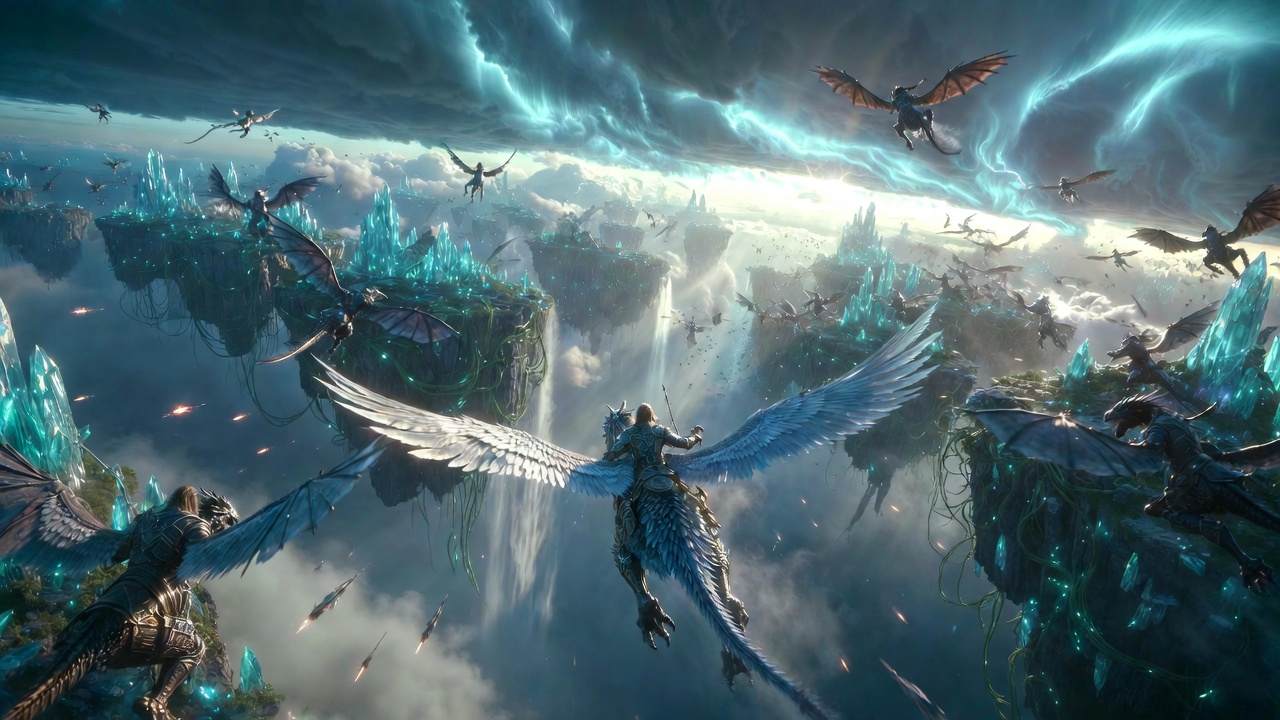
Educational content creators, explainer video producers, and presentation designers can generate infographic assets without illustration tools.
Text-heavy images. Marketing mockups with product names, pricing graphics, greeting cards with personalized messages, signage with clear typography. Nano Banana 2's text rendering accuracy-correct letter formation, appropriate styling, integrated placement-eliminates the "generate in AI, add text in Canva" workflow. Compare with Ideogram v3, which also excels at text; Nano Banana 2 adds Flash speed and world knowledge. For YouTube thumbnail workflows where text hooks matter, both models apply; Nano Banana 2's speed advantage suits high-volume thumbnail A/B testing.
Storyboarding and comics. Up to 5 characters with consistent identity across 6+ panels. Attire, appearance, and object fidelity maintained while expressions and camera angles vary. Branded narrative content, comic strips, and episodic social series benefit. The model handles "Create a funny 6-part story with these 3 fluffy friends building a treehouse"-each image maintains character consistency, story progresses with emotional highs and lows, ending in a happy moment.
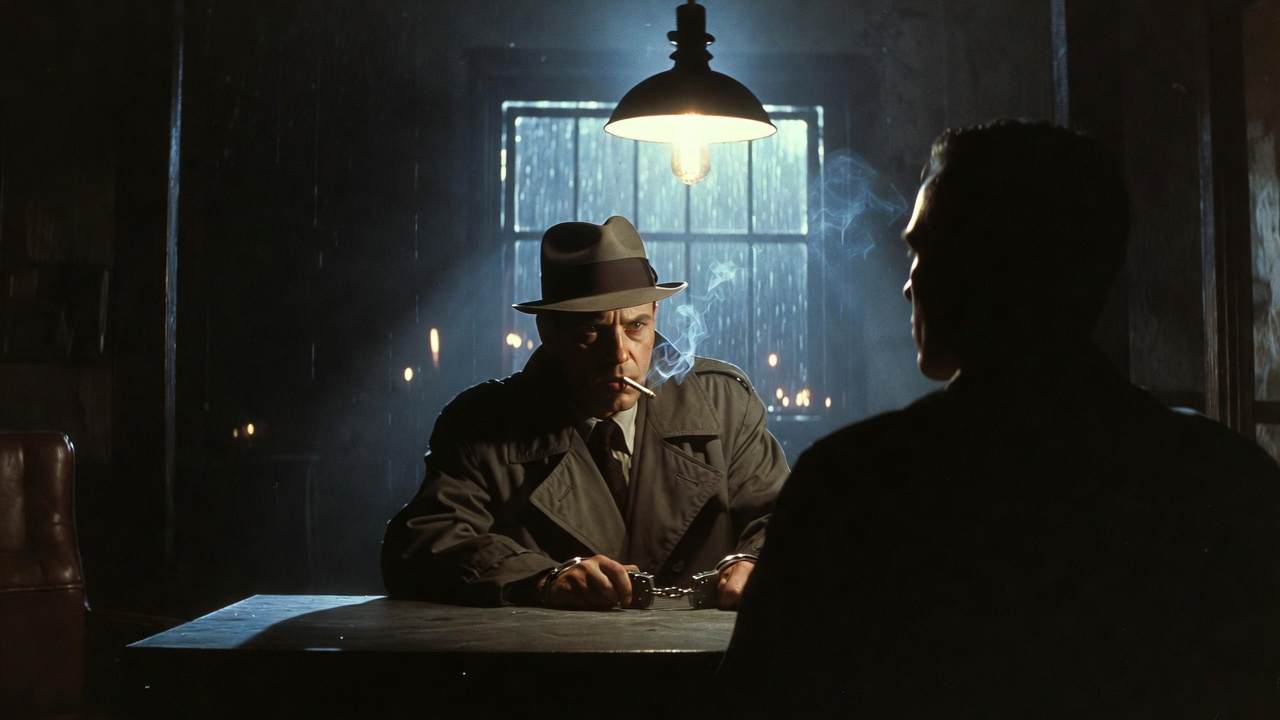
For Seedream vs Nano Banana budget comparisons, Nano Banana 2 adds consistency capabilities that budget models typically lack.
Localized content. Generate a sign in English, then prompt: "Take this concept and localize it to an Indian setting, including translation of all the text to Hindi." The model handles translation and cultural adaptation in one pass. For global brands producing market-specific assets, this reduces localization workflow from "design in base language, send to translation, manually recreate in design tool" to "prompt for localization."
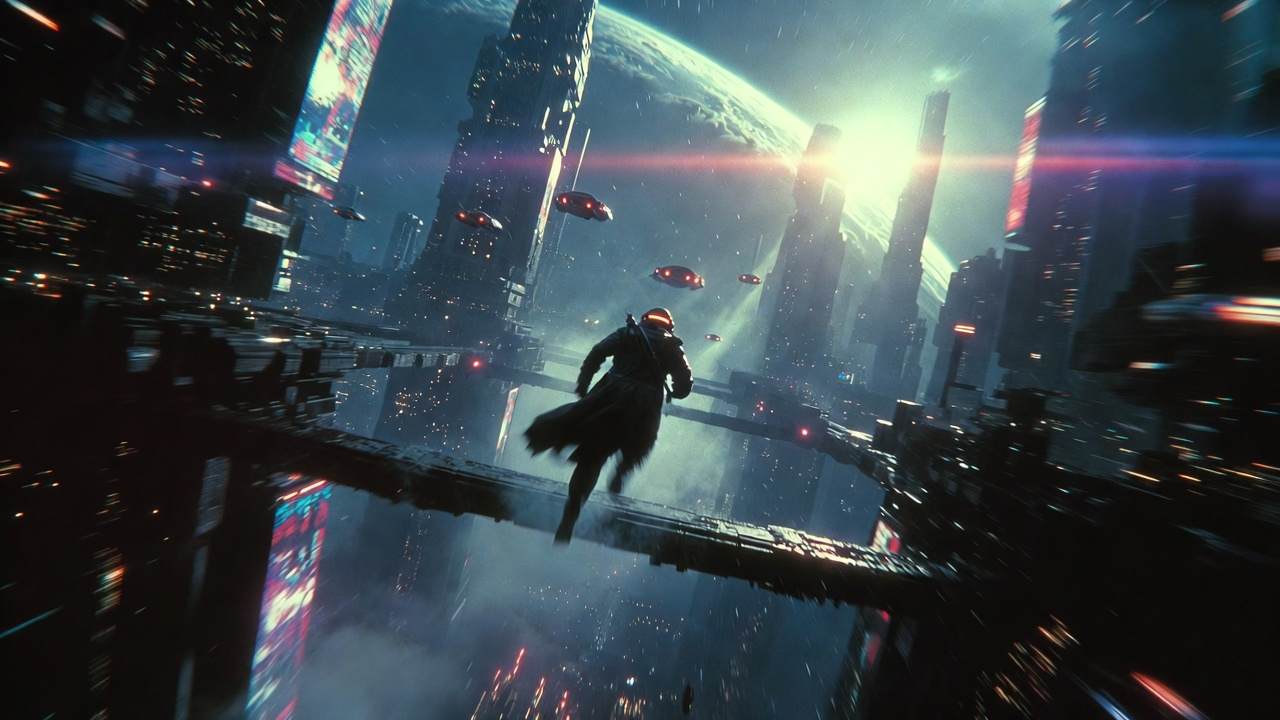
Real-world subjects. Museum Clos Lucé in Synthetic Cubism. Pencil sketch of a pufferfish nest with visible graphite strokes. The model's web-grounded generation and world knowledge enable accurate representation of specific subjects when prompted.

For travel marketing, cultural content, and educational materials, factual accuracy in depicted subjects matters-Nano Banana 2 addresses this through its search-and-generate capability.
Nano Banana 2 vs Pro vs Original: Upgrade Decision
| Specification | Nano Banana 2 | Nano Banana Pro | Nano Banana |
|---|---|---|---|
| Speed | Flash (fast) | Pro (slower) | Flash |
| Quality | Pro-level | Maximum | Standard |
| Resolution | 512px-4K | Up to 2K/4K | Up to 1K |
| Text in images | Precision | Yes | Limited |
| Subject consistency | 5 chars, 14 objects | 4 refs | Limited |
| World knowledge | Web-grounded | Yes | Standard |
| Best for | Rapid Pro-quality iteration | Max fidelity | Budget, speed |
When to choose Nano Banana 2: Production workflows requiring both quality and speed. Infographics, marketing mockups, storyboarding, high-volume iteration. The default choice for most creators in 2026 when text-in-image, subject consistency, or world knowledge matters.
When to choose Nano Banana Pro: Specialized tasks where maximum fidelity trumps speed. Single hero images for premium campaigns, compositions requiring the highest possible instruction adherence. Pro subscribers retain access; regenerate via three-dot menu to use Pro instead of 2.
When to choose Nano Banana (original): Budget-first workflows with minimal quality requirements. Maximum volume at lowest cost. When Nano Banana 2's Pro capabilities are unnecessary-simple social graphics, rapid concept exploration-the original may suffice for credit efficiency.
The Qwen vs Nano Banana budget comparison and Seedream vs Nano Banana cover the broader budget model landscape; Nano Banana 2 sits above these as the "Pro at Flash" tier.
Robust Provenance: SynthID and C2PA
Google continues to integrate provenance tools. Nano Banana 2 outputs can be marked with SynthID-Google's imperceptible watermarking-and C2PA Content Credentials for interoperable verification. The Gemini app's SynthID verification feature has been used over 20 million times since November; C2PA verification is coming to the Gemini app. For commercial creators who need to disclose AI use or provide proof of generation, these tools enable transparent provenance without affecting image quality.
Access and Cliprise Integration
Nano Banana 2 is available via Gemini app, Google Search, Google Ads, Flow (default, zero credits), Vertex AI, and AI Studio. For creators who use multi-model platforms, Cliprise offers Nano Banana 2 as part of the unified subscription-alongside Flux 2, Imagen 4, Seedream, and other image models. No separate Google API account or quota management required; credit-based billing applies. The Cliprise models hub provides access to Nano Banana 2, Nano Banana Pro, and Nano Banana within a single platform-route each brief to the appropriate tier based on the decision framework above.
For freelance designers and agency workflows, multi-model access enables Nano Banana 2 for rapid iteration, Nano Banana Pro for hero shots, and Flux 2 or Imagen 4 for specialized photorealism-all from one subscription. The AI model comparison 47 models ranks Nano Banana 2 in context.
Quick Links
- Nano Banana 2 on Cliprise →
- ChatGPT Images 2.0 and production-grade AI image expectations →
- AI Image Generation Guide →
- Top 5 Budget AI Models →
- Seedream vs Nano Banana →
- Compare all image models →
Nano Banana 2 is available on Cliprise within the unified multi-model subscription.