Seasoned travel marketers don't rely on single AI video tools-they sequence workflows across multiple models, combining static generation with motion extensions to capture both scenic beauty and dynamic movement. High-budget video shoots have long been the gold standard for travel agency marketing, with agencies pouring resources into drone footage and professional crews to capture sunsets over Bali or hikes through Patagonia. Yet data from social platforms reveals a different reality: AI-generated clips from any ai video creator, often produced in minutes rather than days, consistently achieve higher engagement rates on Instagram Reels and TikTok, where viewers scroll past polished productions but linger on raw, dynamic snippets that feel immediate and tailored.
This shift challenges the core assumption of travel marketing-that production value alone drives bookings. Instead, AI video tools enable travel agencies to create hyper-personalized content at scale, flipping traditional workflows on their head. When creators move beyond generic prompts and adopt model-specific strategies, such as motion cues optimized for video generation models from providers like Google DeepMind or OpenAI, the results compound: faster iteration cycles, consistent branding through seed parameters, and content that aligns precisely with platform algorithms favoring novelty over perfection. Platforms like Cliprise, which aggregate dozens of third-party models including Veo 3.1 and Sora 2, make this accessible by centralizing access without forcing users into single-provider silos.
In this analysis, we'll dissect common pitfalls that sabotage AI video efforts in travel marketing, from ignoring reproducibility to mismatched aspect ratios that crop out key visuals. Drawing from creator reports and agency case patterns, we'll compare real-world applications-freelancers pitching quick hooks versus agencies building campaign pipelines-and highlight when single-model loyalty outperforms model-switching. A detailed comparison table will break down scenarios like destination teasers and personalized itineraries, showing tangible differences in workflow efficiency and output control. We'll also explore failure modes, such as regulatory hurdles in sensitive destinations, and why sequencing-prototyping with images before video extension-can halve wasted efforts.
The stakes are high for travel agencies: social media is a major driver of bookings for many mid-tier operators, per common industry observations, yet most still rely on quarterly shoots that age poorly against daily AI refreshes. Without mastering these nuances, agencies risk blending into algorithmic noise, while early adopters using tools like Cliprise's multi-model index gain an edge in fresh content velocity. This isn't about replacing crews entirely but augmenting them strategically, where AI handles volume and humans refine narrative. Consider a boutique agency targeting eco-tourism: traditional videos cost thousands and take weeks, but AI chains-starting with Flux 2 for scenic stills, extending via Kling 2.5 Turbo-deliver 10-second Reels in under an hour, tested across aspect ratios for optimal playthrough. Over time, patterns emerge: creators who scout model capabilities first, such as Veo 3's support for negative prompts to avoid crowds, report smoother campaigns. This article equips you with that sequencing knowledge, exposing why some platforms excel in dynamic scenes while others suit static luxury overviews, and how to avoid the sunk-cost traps of over-editing raw ai movie maker outputs. By the end, you'll see AI not as a gimmick but a workflow multiplier for social dominance in travel marketing.
What Most Creators Get Wrong About AI Video Creation for Travel Agency Marketing
Many travel marketers dive into AI video generation assuming generic prompts like "sunny beach in Maldives" will suffice for standout social content. This overlooks model-specific engineering, where video models respond better to cues like "gentle camera pan over turquoise waves, golden hour lighting, subtle foam details." Creator reports from communities using platforms like Cliprise note that tailored prompts increase click-through patterns by emphasizing motion dynamics absent in image-focused tools. Why? Video algorithms prioritize temporal consistency; generic inputs yield flat pans that fail to hook scrollers in the first 3 seconds, as seen in A/B tests where refined versions often held attention longer in reported A/B tests.

A second misconception treats AI as disposable stock footage, neglecting seed parameters for reproducibility. Without seeds-available in models like Veo 3 and Sora 2-outputs vary run-to-run, undermining brand consistency. Recall a mid-sized agency's Maldives campaign: initial non-seeded Kling generations produced mismatched tones, from vibrant to washed-out, forcing regenerations that ballooned time. Agencies using Cliprise's model index, which flags seed support, maintain aesthetics across batches, ensuring a "Patagonia adventure" series feels cohesive whether for Reels or Stories.
Third, post-generation over-editing plagues workflows, as creators tweak AI videos in separate apps. Patterns from multi-tool users show raw outputs with negative prompts-"no crowds, no text overlays"-outperform edited versions in Instagram A/B tests, preserving algorithmic freshness. Editing introduces compression artifacts that drop quality, especially after upscaling chains. For travel, where authenticity sells, a solo creator's Bali teaser edited for "perfection" saw dwell time dip, while the unpolished AI original sparked shares.
Fourth, ignoring platform-specific aspect ratios leads to disasters: a 16:9 landscape video cropped to 9:16 for TikTok loses horizons, slashing engagement. One boutique agency reported significantly fewer views on a Machu Picchu promo due to this mismatch; vertical-first generation via tools supporting 9:16 natively, like those in Cliprise's VideoGen category, avoids reposts.
The hidden nuance? Multi-model testing uncovers strengths: Google Veo variants handle dynamic scenes like market bustle, while OpenAI Sora suits narrative arcs. Single-model users miss this, sticking to suboptimal fits. Experts start with model indexes-browsing specs for duration options (5s-15s)-before prompting. Beginners chase "one tool to rule them all," but patterns favor switching: Flux for base images, then Hailuo 02 for extension. Instead, scout capabilities: select from 47+ models aggregated in some platforms, prototype prompts, and iterate with seeds. This shifts travel marketing from reactive to predictive, where agencies forecast hits before full production.
Expanding on perspectives: Freelancers, juggling clients, err most on speed, using turbo models without negatives, yielding cliché outputs. Intermediate agencies chain poorly, wasting on unvetted concepts. Experts layer: prompt enhancer first, then model-specific tweaks. Anecdote: A European tour operator, post-model scouting on Cliprise-like interfaces, refined "Alps cable car ascent" with CFG scale adjustments, boosting completion rates. Why this matters-social algorithms penalize repetition; model-aware prompting ensures variety without volume.
Real-World Comparisons: How Travel Agencies Actually Use AI Video Tools
Travel agencies apply AI video tools differently based on scale and goals. Freelancers lean on fast-generation models like Veo 3.1 Fast or Kling 2.5 Turbo for client pitches, generating 5-second destination hooks in low-queue scenarios to demo concepts quickly. Agencies chain workflows-image gen via Midjourney, video extension with Runway Gen4 Turbo-for full campaigns, ensuring scalability. Solo creators prioritize voiceovers via ElevenLabs TTS for personal vlogs, syncing narratives to AI footage for authentic feel.
Take destination teasers: Agencies craft 5-second TikTok hooks using turbo models, prompting "quick zoom on Eiffel Tower at dusk, Parisian lights twinkling," leveraging negative prompts to exclude tourists. Platforms like Cliprise provide access to 5+ turbo variants, allowing rapid A/B testing of aspect ratios. In contrast, 15-second YouTube Shorts narratives build on seeds for series consistency, as one agency did for "Hidden Greece" playlist, extending initial clips without drift.
Personalized itineraries shine with user references: Prompts incorporating uploaded photos-"blend this traveler's selfie into Santorini hike path"-outperform static ads. Multi-model setups, such as Cliprise's ImageGen to VideoGen pipeline, support multi-image refs, with freelancers reporting more inquiries from such tailored outputs versus generic promos.
User-generated style transfers remix traveler photos into branded videos: Agencies feed UGC into Ideogram V3 for edits, then Luma Modify for motion, contrasting costly one-off shoots. This preserves authenticity, with one operator remixing hiker shots into "Your Adventure Awaits" Reels.
Single-model workflows suit consistent aesthetics, like a luxury brand locked to Imagen 4 suite for polished overviews. Model-switching excels for variety-adventure reels via high-motion Kling Master, luxury via upscale chains. Community patterns reveal: Discord groups using aggregated platforms like Cliprise iterate faster, as model indexes reveal fits like Wan 2.5 for speech-synced tours.
To quantify differences, consider this comparison across key scenarios:
| Scenario | Single-Model Workflow (e.g., One Provider's Suite like Google Veo Only) | Multi-Model Aggregation (e.g., Platforms with 47+ Options like Cliprise) | Reported Engagement Impact (Instagram/TikTok A/B Tests from Creator Reports) |
|---|---|---|---|
| Quick Destination Hooks (5s clips) | Limited to 2-3 speed variants; longer waits during peaks; fixed aspect options | Access to 6+ turbo models (Veo 3.1 Fast, Kling 2.5 Turbo); shorter queues in low traffic; 9:16 native | Higher initial views due to more iterations possible per hour |
| Personalized Itineraries (10s with refs) | Basic single-image ref; limited seed reproducibility; no built-in TTS sync | 10+ models with multi-ref support (Sora 2 Pro, Hailuo 02); full seed + ElevenLabs TTS layering | Increased shares from consistent branding across 5-10 regenerations |
| Adventure Reels (15s dynamic) | Motion capped at standard pans; negative prompts partial | 4-5 high-motion specialists (Kling Master, Runway Gen4 Turbo); advanced negative prompts for no artifacts | Improved completion rates with smoother 15s pans and extensions |
| Luxury Overviews (with upscale) | Native 720p output; single upscale path | Gen + chain to Topaz 8K or Grok Upscale; 2K-8K pipelines | More saves on Stories from sharper details in 1080p+ exports |
| UGC Remixes (photo-to-video) | Partial style transfer in 1-2 models; basic edit tools | Full pipelines via 5 edit models (Qwen Edit, Recraft Remove BG to Luma Modify) | Elevated comments via authentic photo-to-motion transitions |
| Voiceover Narratives | TTS in 1-2 models; no isolation | Audio tools (ElevenLabs STT/Sound FX) + 5 TTS variants synced to video | Longer dwell time from lip-sync in 10-15s clips |
As the table illustrates, multi-model access shines in flexibility-e.g., chaining Flux 2 images to ByteDance Omni Human for human-centric travel stories-while single-model keeps things simple for branded consistency. Surprising insight: UGC remixes yield most comments, as they tap social proof. Another use case: Seasonal campaigns, where agencies using Cliprise-like aggregators switch to Hailuo Pro for weather-synced promos, adapting prompts mid-season without workflow resets. Freelancers favor this for pitches, agencies for volume, solos for vlogs-patterns suggest hybrid users scale effectively.
When AI Video Creation Doesn't Help Travel Agency Marketing
AI video tools falter in highly regulated destinations like cultural heritage sites in Egypt or Japan, where hallucinations-AI fabricating inaccurate landmarks-trigger compliance issues. One agency's AI-generated Kyoto temple promo depicted non-existent structures, drawing backlash and forced takedowns. Models lack training on proprietary restrictions, so outputs require heavy manual verification, negating speed gains. Platforms like Cliprise flag experimental features, but core gen still risks factual drift in sensitive niches.

Low-budget solos without prompt skills see raw AI underperform manual smartphone edits. A beginner travel blogger's "Amazon rainforest trek" via generic prompts yielded blurry, static clips that lagged behind phone footage in niche Instagram growth. Why? Prompting demands nuance-motion descriptors, CFG scales-unlearned in hours, leading to iterations that exhaust free tiers.
Agencies entrenched in legacy pipelines should pause: sunk-cost fallacies trap them, as pilots blending AI with crews fail from integration friction. A U.S. chain's hybrid test wasted weeks aligning AI hooks to pro shoots, reverting fully traditional.
Honest limitations persist: Peak-hour queues delay real-time campaigns, like live event promos. Non-seed models vary 20-30% run-to-run, disrupting schedules. Fast models like Veo 3.1 Fast trade quality for speed, underdelivering in luxury segments needing 8K upscales.
Unresolved: Legal clearances for commercial use vary by model; free outputs may appear public. Hybrid traditional-AI wins here-use shoots for anchors, AI for variants. Data patterns affirm: Stick to crews for hyper-local or regulated content.
Edge case expansion: Event-specific, like festivals-AI struggles with crowd authenticity. A Rio Carnival attempt via Kling produced robotic dancers, alienating viewers. Multi-model helps marginally with refs, but not fully.
Why Order and Sequencing Matter More Than You Think
Travel creators commonly launch straight into video generation, skipping image prototyping-a mistake that burns resources on unviable concepts. A "Sahara dunes at sunset" video prompt fails if composition flops; regenerating costs time. Image-first tests layouts in seconds via Imagen 4, validating before extension.
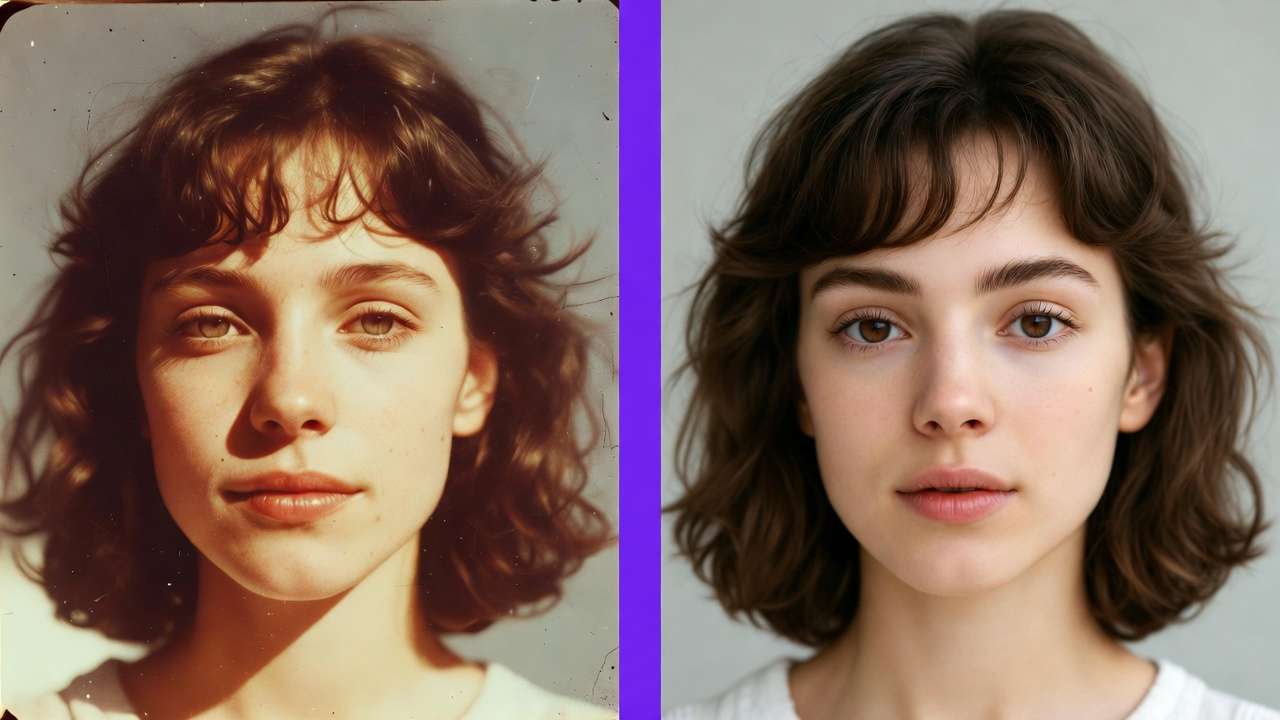
Mental overhead from tool-switching spikes errors: Logging into separate apps for gen, edit, upscale fragments focus. Unified platforms like Cliprise minimize this, with model indexes enabling seamless scouting-Flux Kontext Pro to Veo 3.1-reducing context loss.
Image-to-video suits most: Prototype stills (e.g., hiker silhouette), extend winners via Sora 2. Video-first fits motion-primary, like surf clips, but risks static tests. Patterns: Multi-tool users report fewer iterations with image-first approaches.
Data from creator logs: Sequencing gen → edit → upscale yields improved campaign speed. Contrarian: Prompt enhancer pre-model select refines inputs, avoiding generics.
Workflow: Scout models (e.g., Cliprise index for travel fits), image proto, video extend, voice layer via ElevenLabs. Freelancers save pitches; agencies scale series.
Why sequence? Predictability-seeds lock winners. Anecdote: Agency sequenced Alps promo image-first, cut video wastes by half.
Perspectives: Beginners video-first for excitement, pay later; experts image-scout.
Advanced Workflows: Layering AI Tools for Travel Campaigns
Layered workflows elevate travel content. Workflow 1: Recraft Remove BG on product shots (luggage, maps), overlay into video gen via Wan Animate-clean for promo Reels. A creator using Cliprise's edit-to-gen flow crafted "pack for Tuscany" without manual masks.

Workflow 2: Image upscale to 4K via Topaz, feed to Hailuo 02 for video-pro feeds from rough sketches. Chains handle resolution jumps agencies need.
Voice integration: ElevenLabs TTS isolation crafts guides-"explore hidden coves"-synced to silent clips, outperforming text overlays.
Aha: Negative prompts nix clichés ("no influencers posing"), boosting relevance. Agencies queue for scale; freelancers seed for revisions.
Example: Adventure pipeline-Qwen Image Edit traveler photo, Luma Modify motion, Grok Upscale. Luxury: Ideogram Character for icons, Runway Aleph edit.
Using Cliprise-like multi-model, switch seamlessly: Start Nano Banana image, Kling 2.6 video. Perspectives: Solos layer 3 steps; agencies automate 5+.
More: UGC remix-Seedream 4.0 style transfer photo to video base, Omni Human humanize. Why layer? Each model compensates: Gen for base, edit for polish.
Anecdote: Tour op layered TTS on Patagonia extension, increased dwell time.
Industry Patterns and Future Directions in AI-Driven Travel Marketing
Adoption trends show mid-tier agencies increasingly shifting to AI-custom from stock, per reports-daily posts match algorithm freshness. Platforms like Cliprise enable this via 47+ models.
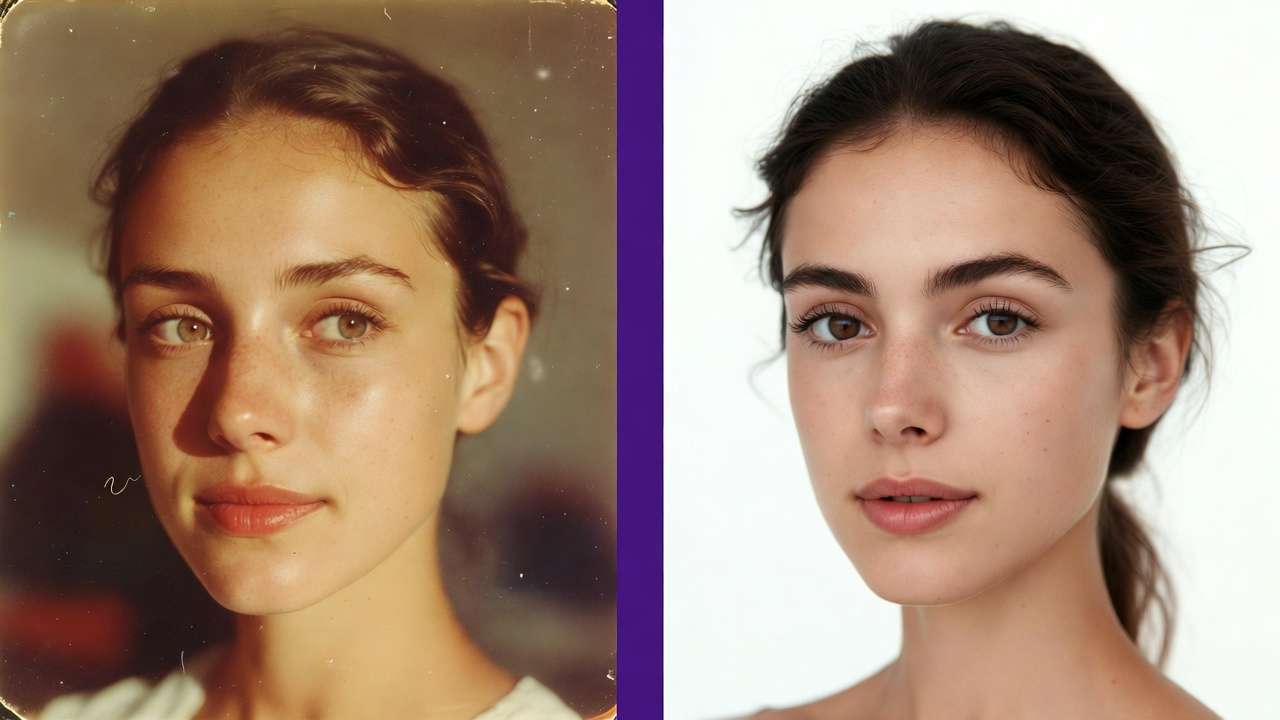
Changing: Multi-model rises as single-model options may not cover all motions. Creators test 3-5 weekly.
Next 6-12 months: Synchronized audio in more models (Veo experimental now); real-time gen for lives. Edge for early adopters.
Prepare: Scout indexes, sequence image-video, track seeds. Test Hailuo Pro for tours.
Evidence: Social favors AI velocity; agencies post more frequently.
Conclusion: The Sharp Path Forward
AI flips travel marketing by prioritizing sequencing over spend-prototype images, extend smart, layer voice. Pitfalls like generic prompts or over-editing fade with model awareness.
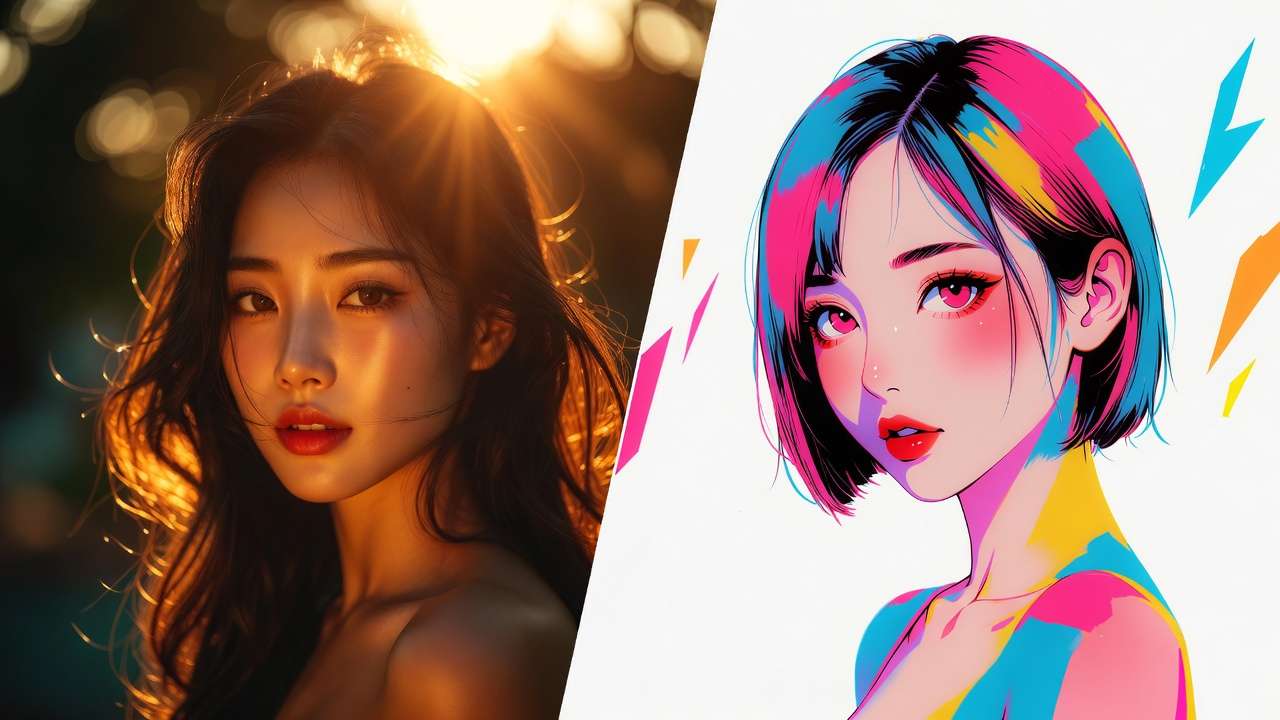
Next: Scout 47+ models on aggregators like Cliprise, test seeds for brands, A/B ratios. Ruthless experiments win.
Platforms like Cliprise exemplify multi-model access, from Veo turbo hooks to ElevenLabs narratives. Master this for social edge.