Part of the image vs video series. For the practical decision framework, see Image vs Video AI: Decision Framework. This article dives into the technical architecture behind the differences.
Marketing claims position AI models universally-"photorealistic generation," "cinematic motion," "professional quality"-obscuring fundamental architectural differences determining actual capabilities. Image diffusion models optimize spatial relationships within single frames; video temporal models prioritize frame-to-frame consistency and motion coherence across sequences. These architectural distinctions create performance boundaries that prompt engineering alone cannot overcome.
Creators discovering these limitations mid-project face expensive regeneration cycles: static image models producing jerky motion when forced into animation workflows, video models lacking spatial detail precision demanded by product photography, temporal architectures exhibiting physics failures absent from static generation. Understanding technical differences before model selection prevents capability mismatch waste systematically.
This analysis examines core architectural distinctions between an ai image generator and video model categories, explains why certain tasks succeed in one modality while failing in another, and establishes technical selection frameworks matching model capabilities to actual project requirements beyond surface-level marketing positioning.
Architectural Foundation: Diffusion vs Temporal Models
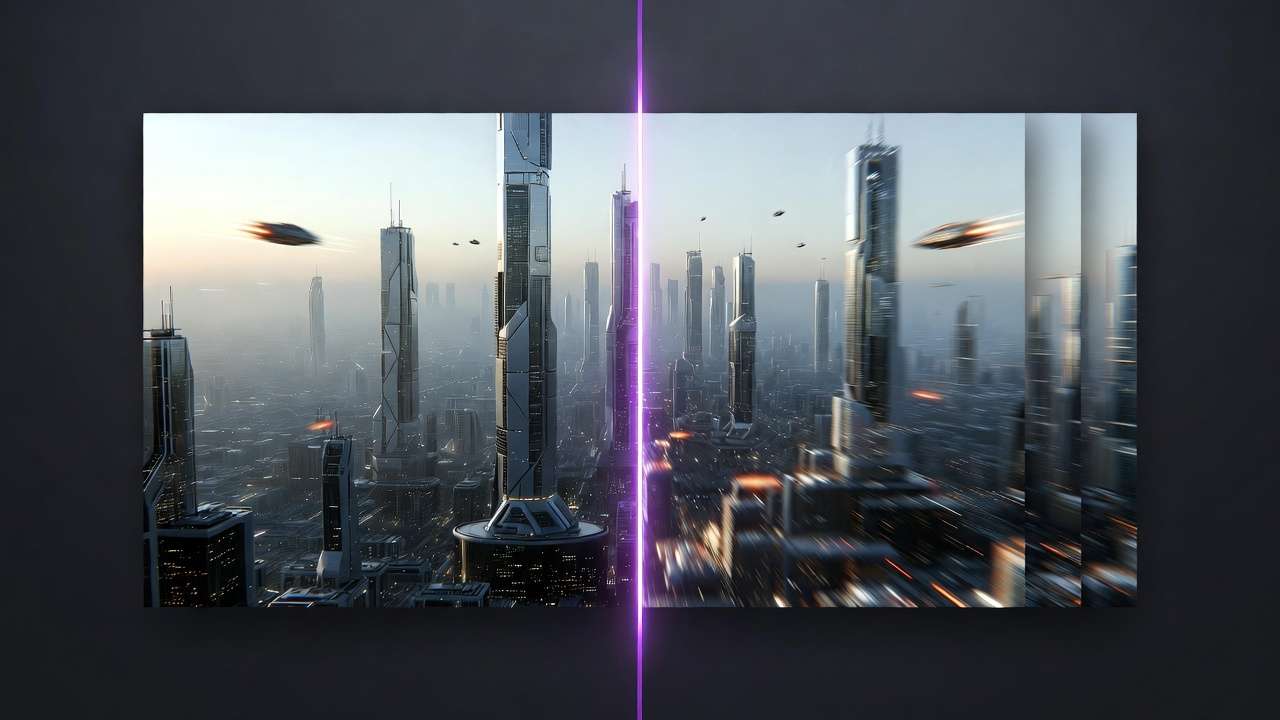
Image Diffusion Architecture (Flux 2, Midjourney, Imagen 4):
Technical Characteristics:
- Training data: High-resolution static images (billions of frames)
- Optimization target: Spatial coherence, texture fidelity, compositional harmony within single frame
- Processing approach: Iterative denoising from random noise to structured image
- Computational focus: Pixel-level detail, lighting consistency, subject-background relationships
- Parameter space: Resolution, CFG scale (prompt adherence), seed (reproducibility), negative prompts
Strength Profile:
- Exceptional spatial detail (texture fidelity, fine elements, precise composition)
- Photorealistic rendering (commercial product requirements)
- Artistic stylization (controlled aesthetic interpretation)
- Fast iteration (10-30 seconds per output enabling high-volume testing)
- Seed reproducibility (exact image recreation for derivatives and revisions)
Limitation Profile:
- Zero temporal awareness (no frame-to-frame prediction capability)
- Cannot animate (motion generation architecturally impossible)
- No physics simulation (static training data lacks motion dynamics)
- Duration/pacing absent (single-frame optimization only)
Video Temporal Architecture (Veo variants, Sora 2, Kling):
Technical Characteristics:
- Training data: Motion-captured video sequences (temporal relationships emphasized)
- Optimization target: Frame-to-frame consistency, motion coherence, physics plausibility
- Processing approach: Temporal prediction across sequence maintaining visual continuity
- Computational focus: Motion vectors, physics simulation, camera dynamics, environmental interaction
- Parameter space: Duration (5s/10s/15s), aspect ratio, seeds (where supported), motion descriptors
Strength Profile:
- Temporal coherence (smooth frame transitions, consistent subject tracking)
- Motion dynamics (physics simulation, camera movement, environmental interaction)
- Narrative sequencing (extended duration storytelling capability)
- Format flexibility (platform-specific durations and aspect ratios)
Limitation Profile:
- Spatial detail trade-offs (temporal prediction computational overhead reduces per-frame detail)
- Physics accuracy gaps (training data motion limitations)
- Extended processing (8-15 minutes typical versus seconds for images)
- Higher computational cost (temporal prediction complexity)
- Inconsistent seed support (reproducibility varies by specific model implementation)
Critical Insight: Architectural optimization for temporal consistency fundamentally trades off against spatial detail precision. Video models cannot match image model per-frame fidelity; image models architecturally lack temporal prediction capability entirely.
Why Image Prompts Fail in Video Models
Prompt Language Mismatch:
Image prompts emphasize spatial relationships and static qualities:
- "Photorealistic smartphone on polished marble surface, soft studio lighting, dramatic shadows, shallow depth of field, premium aesthetic"
- Optimization: Composition, lighting, texture, style within single frame
Video prompts require temporal descriptors and motion specification:
- "Camera slowly dollies forward toward smartphone on marble surface, lighting intensifies gradually, product details revealing progressively"
- Optimization: Motion dynamics, pacing, camera movement, temporal progression
Cross-Application Failure Pattern:
- Image prompt in video model: Static-focused language produces minimal motion, awkward camera movements, unclear temporal progression
- Video prompt in image model: Motion descriptors ignored entirely (architecturally impossible), temporal language creates confusion
Resolution: Adapt prompts emphasizing modality-appropriate elements-spatial relationships for images, motion dynamics for video-rather than copy-paste approaches expecting universal interpretation.
Physics Simulation Capability Boundaries
Video Model Physics Training:
- Dataset characteristics: Web-scraped video sequences exhibiting common motion patterns
- Physics coverage: Walking, running, basic object interaction, environmental dynamics
- Limitation sources: Rare motions underrepresented (athletic movements, complex interactions, precise physics)
- Failure modes: Impossible articulation, floating subjects, gravity violations, scale inconsistencies
Common Physics Failures:
- Human locomotion: Robotic gaits, floating steps, impossible joint articulation (training data gaps in athletic motion)
- Object interactions: Products defying gravity, inconsistent scale relationships, unrealistic manipulation
- Environmental effects: Lighting shifts mid-sequence, shadow mismatches, background morphing
- Camera physics: Unnatural panning speeds, impossible perspective changes, focus drift
Image Model Physics Absence:
- Single-frame optimization: Physics relationships static only (subject positioning, lighting direction, shadow consistency)
- No motion prediction: Architectural inability to simulate temporal physics progression
- Compositional physics: Plausible single-frame arrangements without motion trajectory constraints
Strategic Implication: Video models approximate physics through training data patterns rather than true physics engines. Complex or rare motion requirements exceed training coverage producing artifacts. Image models avoid motion physics failures entirely through static-only optimization.
Temporal Consistency Technical Challenges
Video Model Temporal Prediction:
- Frame generation: Each frame predicted based on previous frames + prompt guidance
- Consistency mechanisms: Temporal attention layers maintaining visual coherence across sequence
- Accumulating drift: Minor prediction errors compound across extended durations
- Duration limitations: Consistency degrades beyond 10-15 seconds in most current implementations

Documented Consistency Failures:
- Character appearance: Facial features morphing, clothing details shifting, proportions drifting (temporal prediction limitations)
- Environmental stability: Lighting direction changes, color palette shifts, background element evolution
- Object permanence: Subject elements disappearing/reappearing, detail level fluctuations
- Camera perspective: Subtle scale changes, perspective distortions accumulating
Image Model Consistency Advantages:
- Single-frame optimization: Perfect internal consistency (no temporal drift possible)
- Seed reproducibility: Exact recreation enabling controlled variation through parameter adjustment
- Series production: Multiple related images via seed control maintaining aesthetic without drift
- Derivative generation: Format variants (aspect ratios) from identical seed maintaining composition
Strategic Resolution: Limit video sequences to 8-10 seconds maximum; longer narratives assembled from edited segments. Seed-based image series for multi-asset consistency requirements. Image-first validation prevents temporal consistency issues before video commitment.
Processing Speed and Iteration Economics
Image Generation Economics:
- Processing duration: 10-30 seconds typical (Flux 2, Imagen 4)
- Iteration velocity: 15-20 variations testable in 10 minutes
- Credit cost: Minimal (1-2% of equivalent video generation)
- Exploration capacity: High-volume testing enabling extensive creative discovery
- Timeline predictability: Consistent processing without significant queue variability
Video Generation Economics:
- Processing duration: 8-15 minutes typical (5-15 second outputs)
- Iteration velocity: 3-4 variations testable in 45-60 minutes
- Credit cost: Substantial (10-20x image generation equivalent)
- Exploration constraints: Limited testing volume within budget/timeline constraints
- Queue unpredictability: Demand-based variations extending timelines 2-5x during peaks
Economic Strategic Implications:
- Validation economics: Image testing compositional approaches (20 seconds) versus video testing (10 minutes) favors upfront image validation dramatically
- Exploration allocation: Extensive image concept testing before video commitment prevents expensive video waste
- Fast-to-quality pipelines: Image validation → fast video prototyping → quality regeneration optimizes exploration within constraints
- Budget optimization: Image-heavy workflows stretch credit allocations 5-10x versus video-first approaches
Seed Reproducibility Technical Variations
Image Model Seed Implementation:
- Deterministic generation: Identical seed + prompt + parameters = identical output (99%+ reproducibility)
- Architectural support: Core diffusion process naturally supports seed-based determinism
- Use cases: Exact reproduction, controlled variation (seed increments), format derivatives, revision handling
- Universal availability: Most image models implement robust seed control

Video Model Seed Variations:
- Implementation inconsistency: Veo 3, Sora 2 support seeds reliably; other models exhibit variability
- Temporal complexity: Frame-to-frame prediction introduces stochasticity beyond seed control
- Reproducibility limits: 70-85% consistency typical (versus 99%+ images) due to temporal architecture
- Parameter interactions: Duration, aspect ratio changes affect reproducibility even with locked seeds
Strategic Seed Deployment:
- Series consistency: Image models preferred for multi-asset visual brand coherence (seed discipline)
- Video exploration: Seed variations test motion interpretations within creative direction
- Revision workflows: Image seed control enables surgical adjustments; video seeds approximate direction
- Documentation requirements: Video workflows require seed + full parameter documentation for best reproducibility
Model Selection Decision Framework
Select Image Models When:
- ✅ Static output suffices (no motion required)
- ✅ Spatial detail precision critical (product photography, commercial requirements)
- ✅ High-volume exploration needed (budget/timeline constraints)
- ✅ Series consistency paramount (seed-based visual brand identity)
- ✅ Fast iteration velocity required (rapid stakeholder feedback cycles)
- ✅ Format derivatives needed (multiple aspect ratios from single concept)
- ✅ Exact reproducibility essential (client revisions, controlled variations)
Select Video Models When:
- ✅ Motion sequences required (animation, narrative, demonstrations)
- ✅ Temporal progression needed (reveals, transitions, storytelling)
- ✅ Platform requirements demand video (social feeds prioritizing motion)
- ✅ Physics simulation acceptable (within training data coverage limitations)
- ✅ Budget permits extended processing (8-15 minutes per generation)
- ✅ Duration specifications critical (5s/10s/15s platform requirements)
- ✅ Camera dynamics enhance presentation (pans, zooms, dolly movements)
Hybrid Workflows Optimize Both:
- Generate image concepts via Flux 2 or Imagen 4 (rapid validation, 10-20 minutes for 12-15 variants)
- Stakeholder review identifying strongest compositional directions
- Animate approved images via appropriate video models maintaining aesthetic
- Apply targeted enhancements (Topaz upscaling, Luma refinements) versus regeneration
Timeline: 30-45 minutes validated video output versus 60-90 minutes direct video trial-and-error approaches.
Common Technical Misconceptions
Misconception: "Quality Settings Overcome Architecture"

Reality: Veo 3.1 Quality versus Fast variants adjust processing steps and inference paths, NOT fundamental architecture. Video models cannot match image spatial detail regardless of quality settings; image models cannot generate motion regardless of prompt sophistication.
Misconception: "Newer Models Eliminate Limitations"
Reality: Temporal-spatial trade-offs persist across model generations. Improvements occur incrementally (better physics coverage, improved consistency) but architectural boundaries remain-video sacrifices spatial detail for temporal coherence fundamentally.
Misconception: "Prompt Engineering Solves Capability Gaps"
Reality: Prompt refinement optimizes within architectural capabilities, cannot overcome fundamental limitations. Video models lacking human locomotion training data won't generate accurate athletic motion regardless of prompt detail; image models won't animate regardless of motion descriptors.
Misconception: "Fast Models = Lower Quality Universally"
Reality: Speed variants optimize processing velocity, often maintaining core capability within shorter inference windows. Veo 3.1 Fast physics accuracy comparable to Quality variant; primary difference lies in detail refinement passes rather than fundamental capability boundaries.
Related Articles
Understanding technical architectural distinctions, capability boundaries, and economic trade-offs transforms model selection from reactive trial-and-error to strategic deployment. Master debugging creative AI pipelines deploying specialized architectures to appropriate requirements rather than forcing universal application across mismatched technical capabilities.