TikTok processes over 1 billion videos per day. The creators consistently breaking through that noise are not producing more content - they're producing faster, better-targeted content. An ai video generator has become the infrastructure behind that speed.
In 2026, the question is no longer "should I use AI for TikTok?" It's "which models, what workflow, and what format produces content that actually performs?"
This guide answers all three. Which ai video editing software models are optimized for TikTok's specific requirements, how to prompt for vertical format and short-form attention dynamics, the content ideas that consistently generate views, and the full production workflow from brief to post. For a tactical generator-first workflow focused on Reels and TikTok clips, see AI Video Generator for TikTok and Instagram Reels.
Why AI Video for TikTok Makes Sense in 2026
The economics of TikTok content have changed. Organic reach still exists - TikTok's algorithm remains one of the most discovery-friendly in social media - but the volume required to find winning content has increased. You need to test more ideas, post more consistently, and iterate faster than most creators can sustain through traditional production.

The AI advantage for TikTok creators:
Production speed: A traditional lifestyle video requires location, talent, shooting, and editing. Any ai clip maker can create equivalents in 15-30 minutes from concept to export. For creators testing multiple content directions, the speed difference compounds dramatically.
Concept testing at scale: Before committing to a content series, AI generation lets you prototype 10 different visual approaches in an afternoon. The winning direction is clear before you've invested in traditional production.
Consistency: Posting 5-7 times per week at high visual quality is difficult with traditional production. AI generation makes consistent visual quality achievable at posting frequencies that would otherwise require a production team.
Cost: A single day of professional video production costs more than a year of AI video generation subscription costs. For solo creators and small teams, this changes what's financially viable.
Best AI Models for TikTok Content
Not all AI video models are equally suited to TikTok's format requirements. Here's how the top models rank against TikTok's specific needs:
Kling 3.0 - Best Overall for TikTok
Kling 3.0's 4K/60fps output is the primary reason it leads for TikTok production. TikTok's compression is aggressive - higher resolution input means better output quality after compression. 60fps footage also performs better in TikTok's fast-scroll environment, where motion smoothness directly affects whether viewers stop scrolling.
Fast generation times mean rapid iteration on trending formats. Kling's motion quality is strong for lifestyle content, product showcases, and the fast-paced visual style that performs on TikTok.
Best for: Product demos, lifestyle content, fast-cut visuals, 4K-first production
Veo 3.1 - Best for Audio-Synced Content
Veo 3.1's native audio-visual synchronization is uniquely valuable for TikTok, where sound is central to content performance. Music-driven content, sound effect integration, and trend-audio matching all benefit from Veo's ability to generate visuals that respond to audio cues.
For content built around trending sounds - a primary TikTok growth lever - Veo 3.1 generates visual content that feels rhythmically connected to the audio rather than having video and sound independently stacked.
Best for: Music-driven content, trending sound formats, atmospheric and lifestyle content with strong audio component
Seedance 2.0 - Best for Character-Consistent Series
Seedance 2.0's @tag reference system enables consistent character appearances across multiple videos - essential for creators building a series or franchise format around a recurring character or persona.
Upload your character reference once, use @Image1 across all productions in the series. The character looks the same across every video, building the visual consistency that drives series retention on TikTok.
Best for: Any ai video creator building recurring character formats, storytelling series, or brand mascot content
Sora 2 - Best for Storytelling Content
For TikTok formats built on narrative - mini-films, cinematic storytelling, emotional hooks - Sora 2's cinematic quality and Storyboard mode are the right tools. Short-form narrative content (30-60 second stories with clear emotional arcs) performs strongly on TikTok, and Sora 2's output quality supports it.
Best for: Narrative storytelling, cinematic mini-films, high-production-value content
Format and Technical Requirements for TikTok AI Video
Aspect Ratio: 9:16 is Non-Negotiable
TikTok is a vertical-first platform. 16:9 content posted to TikTok is cropped or letterboxed, immediately signaling "non-native" content to the algorithm and to viewers. All AI generation for TikTok should be configured to 9:16 from the start.
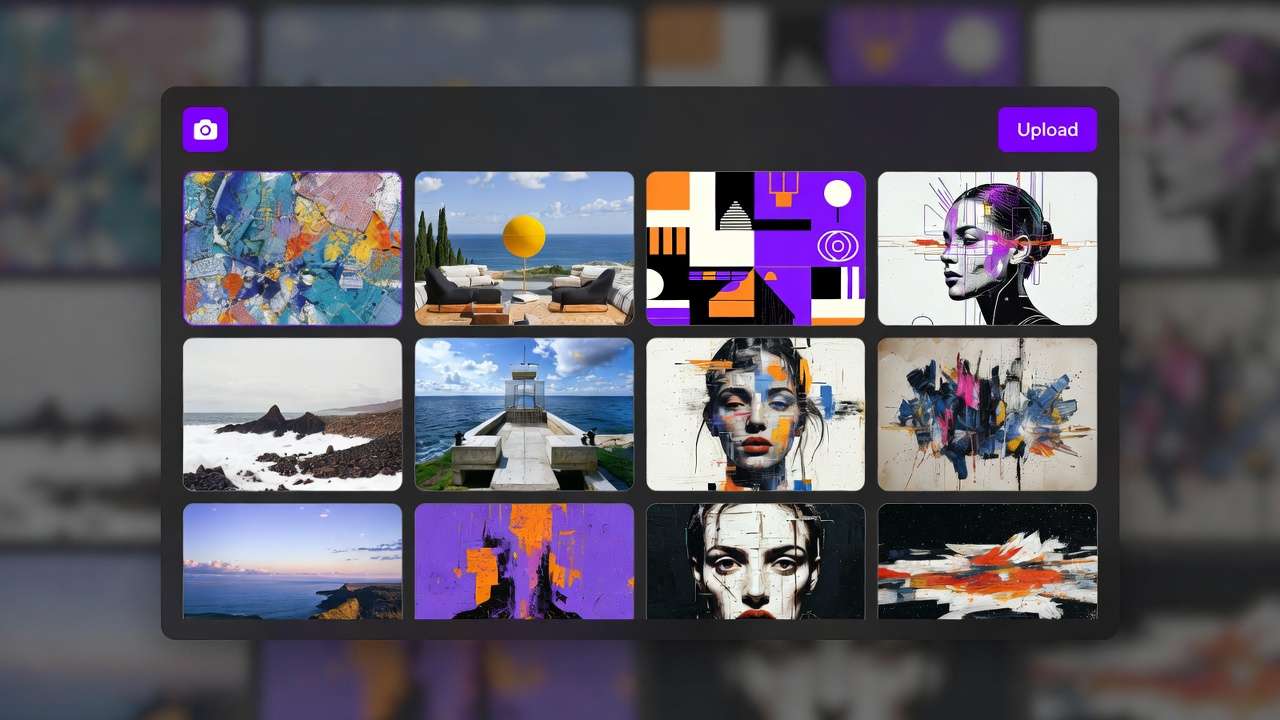
When prompting, add vertical format context: "vertical format, 9:16, subject centered and occupying 60-70% of frame height." Models default to horizontal composition - explicit vertical instruction improves subject placement and composition.
Resolution: 1080x1920 Minimum
TikTok compresses heavily, especially at high traffic. Starting at 1080x1920 maintains acceptable quality after compression. If generating at 4K (3840x2160, 9:16), TikTok's compression artifacts are less visible and the output looks noticeably sharper.
Length: Match to Format
- Hook content (3-7 seconds): Pure attention-capture, no resolution
- Standard posts (15-30 seconds): Most common high-performing format
- Long-form (45-60 seconds): For narrative, tutorial, or story formats
The First 3 Seconds: The Most Important Prompt Element
TikTok's scroll behavior means the first 3 seconds determine whether a video completes. The visual hook - what the viewer sees first and whether it creates enough pattern interrupt to stop scrolling - is more important than everything that follows.
In your AI prompt, specify the opening frame explicitly:
Opening 3 seconds: [specific high-impact visual that creates immediate intrigue or pattern interrupt].
Then: [continuation of scene/story].
Prompting AI for TikTok Content
The TikTok Prompt Structure
Standard AI video prompts optimize for cinematic quality. TikTok prompts should optimize for attention retention. The structure shifts:
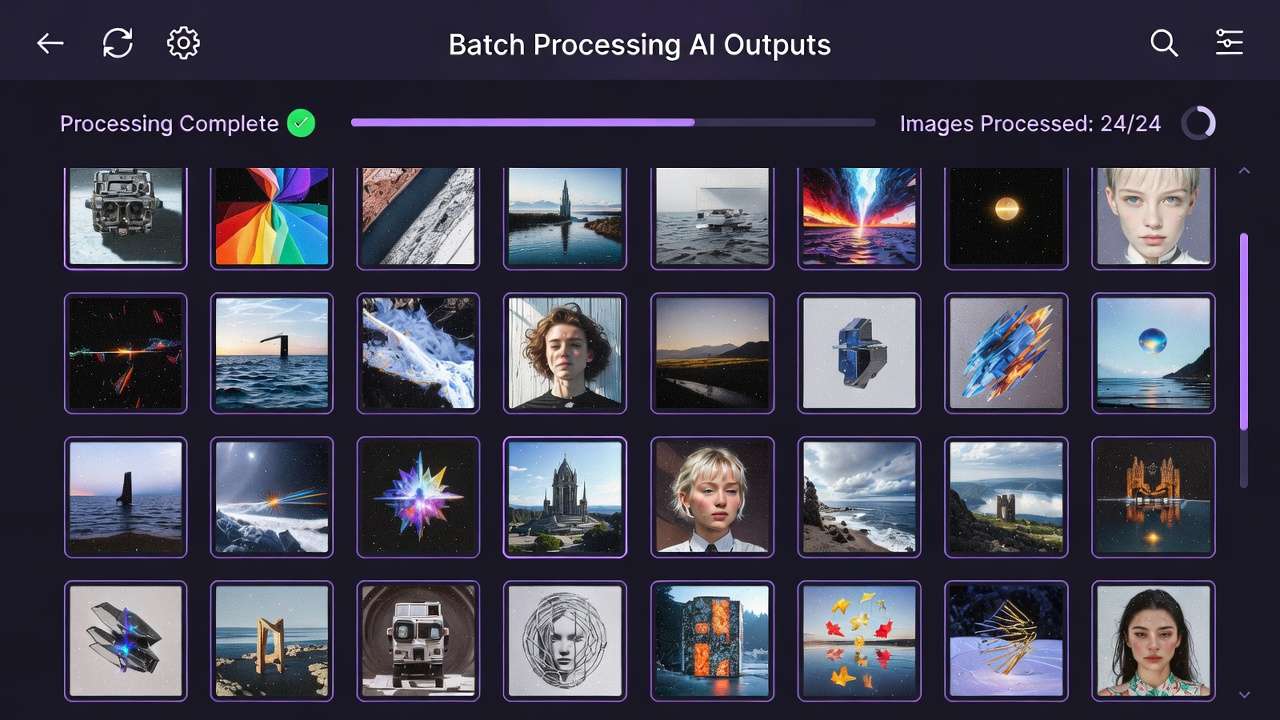
HOOK (0-3s): [Immediate visual surprise, action, or intrigue - describe specifically]
CONTENT (3-15s): [Core visual information or entertainment]
PAYOFF (final 3s): [Resolution, reveal, or loop point]
FORMAT: Vertical 9:16, [resolution], [duration]
MOTION: [Fast-paced / slow and atmospheric - match to content type]
STYLE: [Aesthetic reference specific to TikTok niche]
Example Prompts by Content Type
Product Demo (15 seconds, Kling 3.0):
HOOK: Product enters frame from off-screen, moving fast - immediate visual interest.
Vertical 9:16 format. Skincare serum bottle, premium matte finish.
Clean white surface. Quick camera orbit - 270 degrees in 8 seconds.
Final 4 seconds: slow push-in to product label, soft focus, premium aesthetic.
STYLE: High-end skincare commercial, 4K, warm studio lighting.
Lifestyle/Mood (20 seconds, Veo 3.1):
Vertical 9:16. Morning routine aesthetic.
HOOK: Steam rising from coffee cup, golden morning light - slow motion, first 3 seconds.
Camera gradually reveals wider scene: minimalist apartment, person in soft clothing.
Low ambient sound, birds outside, coffee pour.
STYLE: Cozy, aspirational, muted warm tones - aesthetic journal aesthetic.
Storytelling (30 seconds, Sora 2 Storyboard):
Beat 1 (0-8s): Person alone in a city - wide shot, evening, slight rain.
Beat 2 (8-20s): Same person receives a message on phone, expression shifts to warmth.
Beat 3 (20-30s): Cut to - same person now smiling, environment brighter.
GLOBAL: Vertical 9:16, cinematic color grade, consistent subject throughout.
Content Ideas That Perform on TikTok
1. Product Reveals and Demos
AI-generated product videos work particularly well on TikTok when they combine premium visual quality with quick cut editing. The formula: 3-second hook (product reveal), 10-second core visual (360 orbit, detail shots), 3-second CTA (subtle branding or link mention).
AI advantage: Multiple visual angles, perfect lighting, clean backgrounds - all without a photography setup. Generate 5 variants and A/B test which visual approach gets the most saves.
2. Behind-the-Scenes / Process Content
AI can generate convincing "process" or "making of" visual content - a concept that performs strongly on TikTok because it satisfies curiosity. "How this was made" content consistently outperforms pure showcase content in retention.
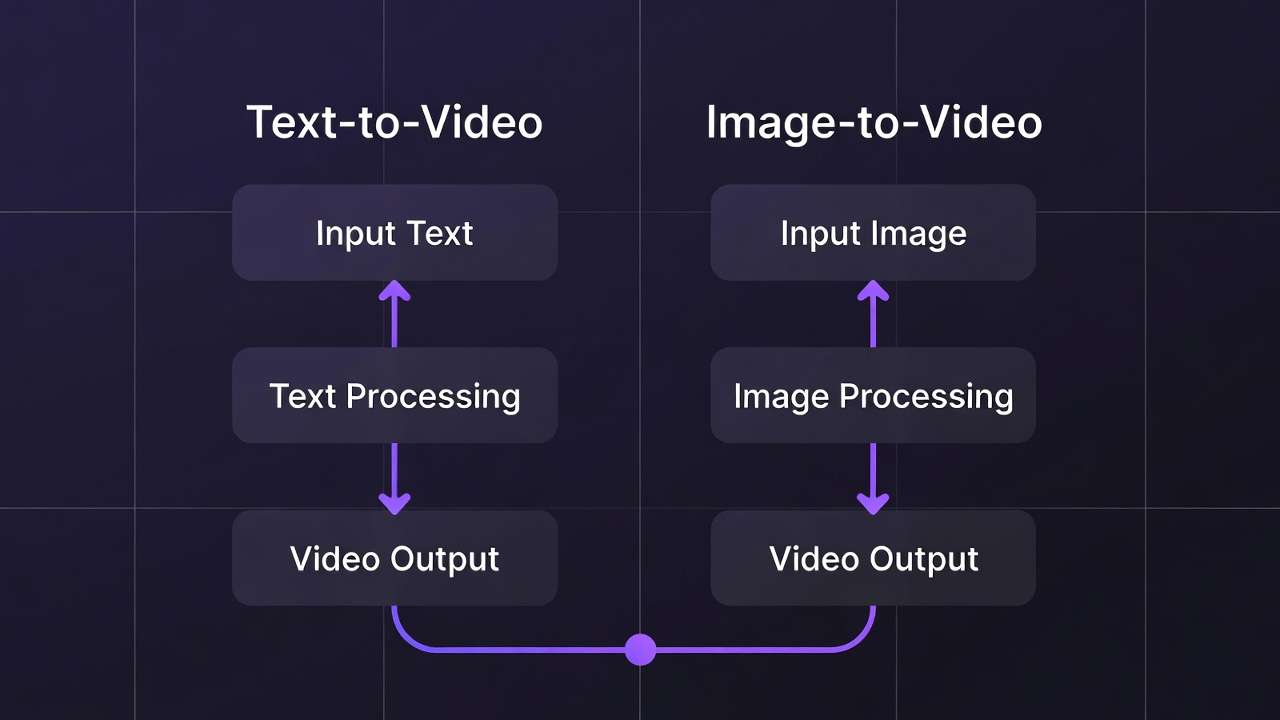
AI advantage: Generate process-style visuals that tell the story of how a product, creative work, or idea came to life - even when the actual production process doesn't have naturally visual material.
3. Short-Form Storytelling
3-scene narrative arcs (problem → insight → resolution) in 30-60 seconds are one of TikTok's strongest performing formats. Sora 2's Storyboard mode is built for this structure.
4. Trend Adaptation
When a trending sound or visual format is established on TikTok, the creators who adopt it fastest get the distribution benefit. AI generation compresses the production time for trend adaptation from days to hours - you can respond to a trending format the same day it emerges.
Key: Identify the visual pattern of the trend, not just the audio. Prompt specifically for that pattern.
5. Ambient / Atmosphere Content
"Cozy," "dark academia," "cottagecore," "liminal spaces" - aesthetic content performs consistently on TikTok across demographics. AI generation excels at atmospheric, mood-driven visual content that would require significant effort to capture in actual production.
Complete TikTok AI Video Workflow
Step 1: Brief Define the content objective - what emotion, idea, or action should the viewer take? What trending format (if any) are you adapting? What is the target audience?
Step 2: Script / Storyboard Map the video into 3-beat structure (hook, content, payoff). Write the prompt for each beat.
Step 3: Generate Select model based on content type (Kling for product/lifestyle, Veo for audio-driven, Sora for narrative). Configure for 9:16, correct resolution, correct duration. Generate 2-3 variants.
Step 4: Select and Edit Review variants, select the strongest. Add text overlays, trending audio, cuts, and transitions in your editing tool (CapCut is the standard for TikTok editing workflows). Keep editing minimal - over-edited AI video loses authenticity signals.
Step 5: Post Post at optimal time (generally: 6-9pm local time on weekdays, midday on weekends). Use 3-5 relevant hashtags (not 30 - TikTok's algorithm penalizes hashtag stuffing). Write a hook in the caption that prompts the first 2-3 words of a comment.
Step 6: Analyze Check retention data in TikTok Analytics at 48 hours. What percentage completes to 50%? To 100%? Where do viewers drop off? Use this data to refine your next batch's hook and pacing.
Best Practices
Post frequency over post quality. 5-7 posts per week consistently outperforms 1-2 high-production posts per week on TikTok's algorithm. AI generation makes this frequency achievable.
Sound first, visuals second. TikTok is an audio-native platform. Select the trending sound or music before prompting - then prompt visuals that match the audio's energy and rhythm.
Don't over-polish. Heavily processed AI video performs worse than more naturalistic AI output on TikTok. The platform's aesthetic favors authenticity signals. Add light film grain, natural color grades, and avoid overly perfect compositing.
Hook testing is the highest-ROI optimization. Test the same core content with 3 different hooks. The hook that generates the best 3-second retention rate drives disproportionately more views through the algorithm. Identify it, then scale that content direction.
Frequently Asked Questions
Can I use AI video for TikTok? Yes. AI-generated video is permitted on TikTok, subject to their content policies. TikTok's guidelines require disclosure of AI-generated content in some contexts - check their current AI content labeling policy before posting commercial or branded content.
What is the best AI video generator for TikTok? Kling 3.0 for overall quality and 4K output. Veo 3.1 for audio-synced content. Seedance 2.0 for character-consistent series. All are accessible via Cliprise, an ai video generation platform that bundles them under one subscription.
How much does AI video for TikTok cost? Starting at $9.99/mo for a multi-model platform subscription. Individual generations at 15-30 seconds with 4K output cost between 30-100 credits depending on model and quality settings.
What is the ideal length for TikTok AI video? 15-30 seconds for standard content, 45-60 seconds for narrative or tutorial formats. Shorter is not automatically better - completion rate matters more than length. A 30-second video with 80% completion outperforms a 10-second video with 40% completion in the algorithm.
Do I need to disclose AI-generated TikTok content? TikTok's policy on AI disclosure is evolving. Currently, realistic AI-generated video presented as real footage requires disclosure. Clearly creative or stylized AI content has more flexibility. Check TikTok's current Creator Guidelines and AI Content Policy for current requirements.
Can I monetize TikTok content made with AI video? Yes - TikTok's monetization programs (Creator Rewards Program, TikTok Shop) do not exclude AI-generated content as of 2026. Verify that your AI video platform's commercial terms permit monetized distribution on your plan.
How do I get more views with AI TikTok content? Hook optimization is the highest-leverage variable. Test multiple hooks on the same content. Post at peak times (6-9pm). Use trending audio. Keep the first 3 seconds visually surprising. Post consistently (5-7x/week).
Conclusion
AI video has become the production infrastructure behind TikTok's fastest-growing creator accounts. The platform's demand for consistent, fast, high-quality content is exactly what AI generation solves - without a production budget, a filming crew, or shooting days.
The workflow is clear: Kling 3.0 for product and lifestyle, Veo 3.1 for audio-driven content, Seedance 2.0 for character series, Sora 2 for narrative - all accessible from Cliprise on one subscription, one credit system, one workflow built for the production volume TikTok actually requires.
Start creating TikTok content with AI → cliprise.app/pricing
Related Articles: